


DUJ moves SC over detention, assault of journalists during Delhi protests
Journalists' union seeks an independent probe and protection for lawful reporting
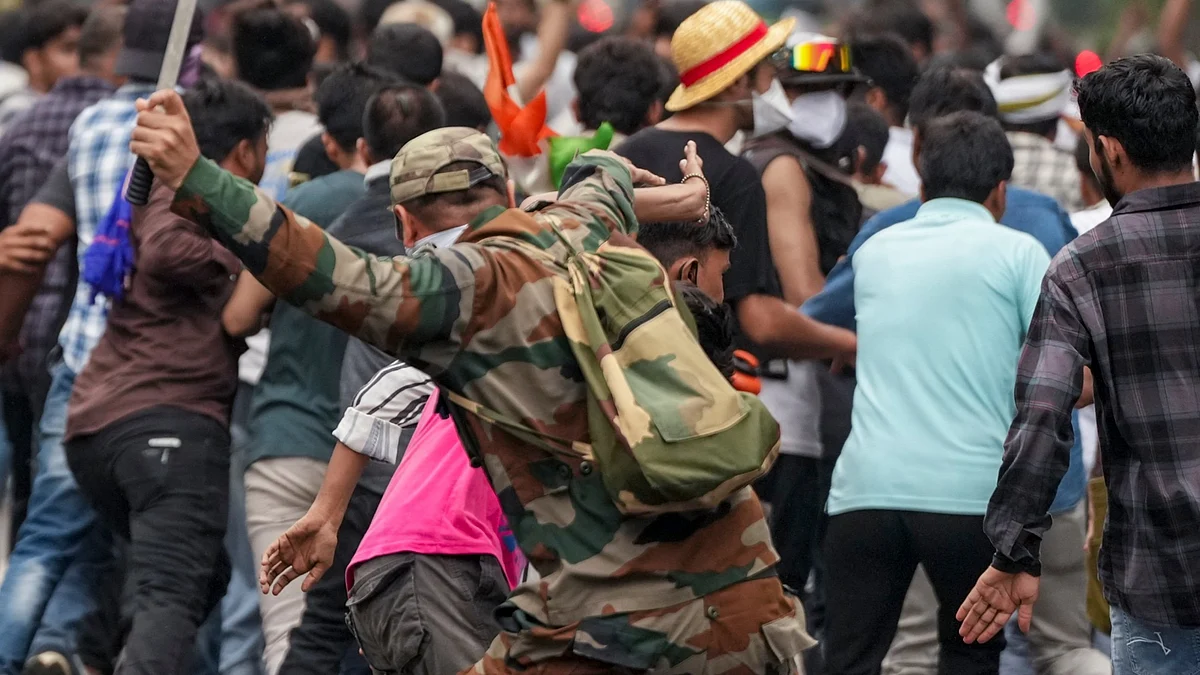


DUJ moves the Supreme Court over alleged detention, assault and obstruction of journalists covering Delhi protests.
The petition cites at least 35 journalist detentions over 10 and 11 October, according to the Committee to Protect Journalists.
The union seeks an independent inquiry, preservation of evidence and safeguards for reporters covering public events.
The Delhi Union of Journalists (DUJ) has approached the Supreme Court with a writ petition alleging that journalists were detained, manhandled and prevented from performing their duties while covering protests in the national capital on 10 and 11 October.
The union has alleged that reporters were forcibly moved away from protest sites, stopped from filming and, in some cases, subjected to physical force. The petition also refers to allegations that phones, cameras and microphones were taken from journalists, while women reporters faced invasive searches and misbehaviour.
Filed on behalf of DUJ members and other affected journalists through advocate Shashank Singh, the petition seeks judicial intervention to protect journalists covering public events.
It relies on a signed statement by senior journalist Paranjoy Guha Thakurta, who alleged that he was detained on 10 October despite showing his Press Information Bureau (PIB) accreditation card. He said he was neither informed of the grounds for his detention nor given any documents.
The union has also cited a report by the Committee to Protect Journalists (CPJ), which recorded at least 35 detentions of journalists in Delhi over the two days
Accreditation and right to report
A key issue raised in the petition is a Delhi Police advisory dated 5 October. The DUJ has alleged that the advisory was invoked to prevent people without government accreditation or an employer-issued press card from reporting.
The union has argued that accreditation facilitates access to designated official sources but cannot be treated as a general requirement for reporting from public spaces.
The petition contends that the freedom of speech and expression guaranteed under Article 19(1)(a) of the Constitution belongs to every citizen and does not depend on employment with a news organisation. Independent journalists, freelancers and people reporting news through platforms such as YouTube are also protected, subject to reasonable and proportionate restrictions, it said.
The plea invokes Articles 14, 19, 21 and 22 of the Constitution, arguing that interference with lawful reporting affects not only journalists but also the public's right to receive information.
Seeks inquiry and protection for journalists
The DUJ has referred to the Supreme Court's 11 October order, which said journalists and other professionals should not be hindered in discharging their duties.
It has also cited a notice issued by the National Human Rights Commission (NHRC) over allegations of sexual harassment involving three women journalists during an earlier protest on 3 October.
The union has sought protection for lawful reporting irrespective of accreditation, a time-bound independent inquiry, immediate preservation of evidence and the return of equipment allegedly retained by authorities.
It has also sought action against those responsible and compensation where violations are established, along with safeguards for reporters, particularly women journalists, covering public events.