


Election Commission reshuffles duties, puts IT under new oversight
IT chief Seema Khanna to route files through Pawan Kumar Sharma; Manish Garg retains election planning, EVMs and electoral database responsibilities
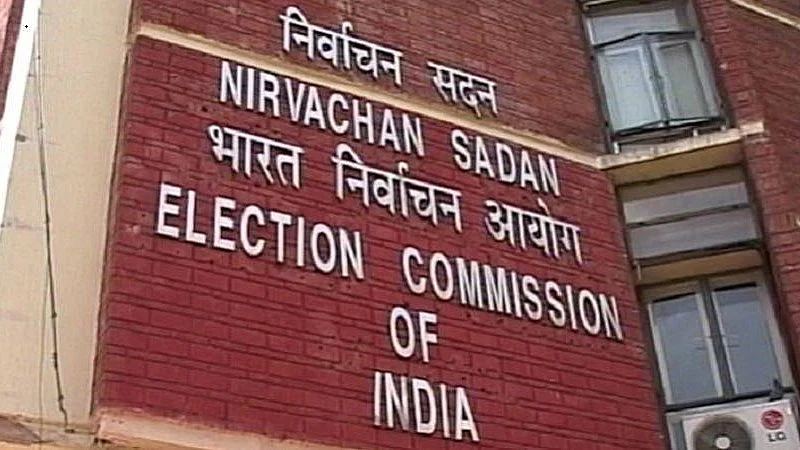


The Election Commission has redistributed responsibilities among senior officials through a work allocation order dated 4 November
IT Director General Seema Khanna will route departmental files through Senior deputy election commissioner Pawan Kumar Sharma
The reshuffle follows an earlier dispute over reporting arrangements and scrutiny of the commission’s digital electoral roll systems
The Election Commission has revised the allocation of work among its senior officials, placing the information technology department under the oversight of senior deputy election commissioner Pawan Kumar Sharma amid scrutiny of its digital electoral roll systems and earlier disagreements over reporting arrangements.
Under the order issued on 4 November, IT director general Seema Khanna will route her department’s files through Sharma. The reallocation follows the appointment of Prakash Rajpurohit as a deputy election commissioner.
Sharma’s portfolio includes IT, information and communications technology, grievances and the Public Grievance Redressal System. He will also oversee political parties, election expenditure policy, observers and coordination, alongside the North-East-II, East-II and South-II zones.
Senior deputy election commissioner Manish Garg will retain responsibility for election planning, electronic voting machines and electoral database management. His geographical responsibilities include Bihar, Jharkhand and Chhattisgarh in the East-I zone, and Uttar Pradesh in the North-III zone.
Rajpurohit will assist Garg with election planning and also handle delimitation. Deputy election commissioner Bhanu Prakash Yeturu will oversee administration, establishment, electoral rolls and Right to Information matters.
The changes come against the backdrop of questions about access to the commission’s centralised electoral roll infrastructure.
An investigation by The Indian Express reported that IT protocols and software restrictions had limited access to electoral roll databases for state-level officials, including electoral registration officers responsible for adding and removing voters’ names. The report also described differences between chief election commissioner Gyanesh Kumar and election commissioners S S Sandhu and Vivek Joshi.
An earlier dispute over reporting arrangements arose after deputy election commissioner Sanjay Kumar, to whom Khanna had reported, was transferred to the Delhi government.
Garg subsequently issued an order on 28 July directing Khanna to report directly to the Commission. Sandhu and Joshi objected to the change in separate letters to cabinet secretary T.V. Somanathan on 29 July.
Their objections concerned the absence of consultation with senior officials and changes to the movement of files. Joshi also said a file he had sought from the administration department had not been provided.
The commission later told the Supreme Court in an affidavit that the 28 July order had never been implemented and that a subsequent order on 30 July had withdrawn the changes.
A senior Commission official quoted by Hindustan Times said the latest allocation should therefore not be described as a reversal of the July arrangement. The official said the 4 November order reflected a unanimous decision of the commission.
The earlier correspondence has also featured in the debate over the Special Intensive Revision of electoral rolls.
In its affidavit, the commission maintained that the letters did not establish that significant decisions concerning the revision exercise had been taken without the agreement of the other election commissioners. It said its decisions were reached through consensus or by majority, in accordance with the rules.
Opposition parties have continued to challenge the revision exercise and demand the removal of Gyanesh Kumar, keeping the commission’s electoral roll procedures and internal decision-making under political scrutiny.
With agency inputs