


FCRA Amendment Bill set for scrutiny by 31-member joint committee
Amit Shah to seek joint parliamentary panel review of FCRA Bill proposing government control of assets without a prior hearing or judicial determination
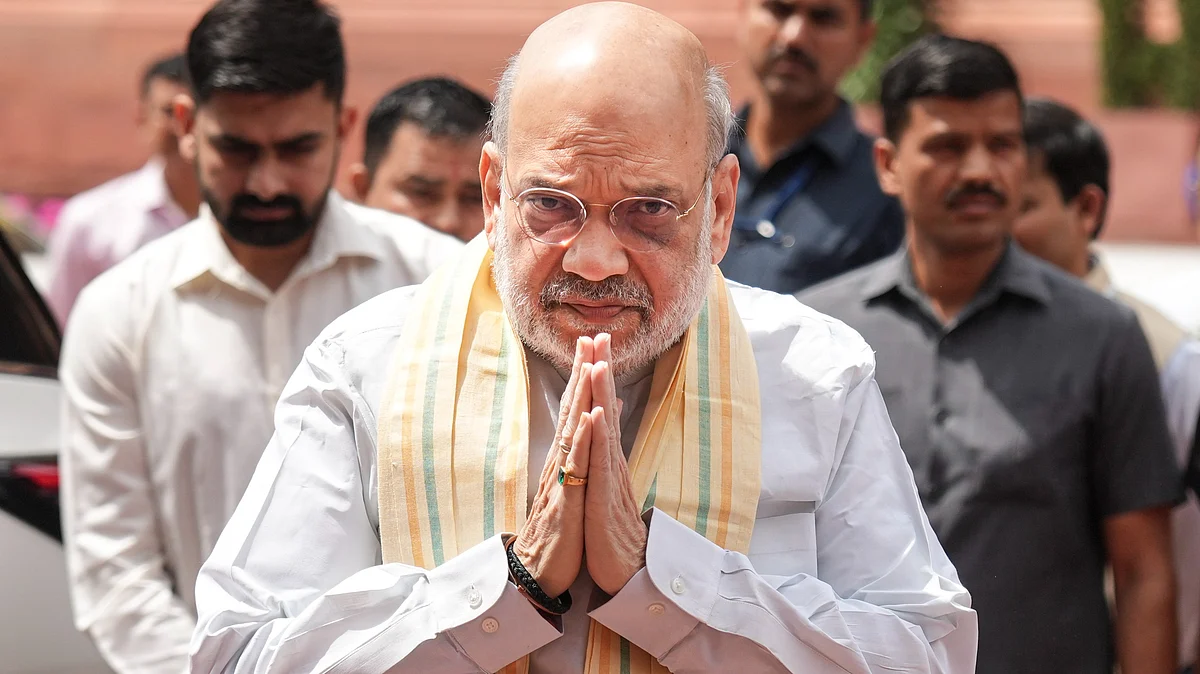


Union home minister Amit Shah is set to move a motion in the Lok Sabha seeking to refer the Foreign Contribution (Regulation) Amendment Bill, 2026, to a joint committee of Parliament for detailed scrutiny.
The proposed panel will comprise 31 parliamentarians — 21 Lok Sabha members nominated by the Speaker and 10 Rajya Sabha members selected by the chairman of the Upper House.
The motion provides that one-third of the committee’s total membership will constitute the quorum for a sitting. The panel will be asked to submit its report to the Lok Sabha by the final day of the first week of Parliament’s Winter Session in 2026.
The Opposition has argued that the Bill passed without discussion would allow a government-appointed authority to take control of an organisation’s foreign-funded assets when its FCRA registration ends — without a prior hearing or judicial determination.
It has also objected to provisions permitting those assets to be sold or transferred to a government department, permanently preventing the founding organisation from reclaiming them. Opposition parties fear these powers could be misused against NGOs and disproportionately affect minority-run welfare and educational institutions.
Other aspects of the committee’s functioning will be governed by the Lok Sabha’s rules for parliamentary panels, subject to any changes approved by the Speaker. The Rajya Sabha will also be requested to join the committee and communicate the names of its nominees to the Lower House.
Introduced in the Lok Sabha on 25 March, the Bill proposes wider government oversight of non-governmental organisations and the foreign contributions they receive.
One of its key provisions seeks to create a designated authority to take charge of foreign contributions and assets acquired through such funds when an organisation’s Foreign Contribution (Regulation) Act certificate is cancelled, surrendered or allowed to lapse.
Under the proposal, these funds and assets would vest in the government-appointed authority without a prior hearing or judicial determination.
If the organisation fails to secure a fresh certificate within the prescribed period, the designated authority could sell or transfer the assets to a government department. Proceeds from any sale would be deposited in the Consolidated Fund of India.
The proposed legislation would also remove the existing provision allowing an organisation to reclaim such assets after obtaining fresh registration. The founding institution would be permanently prohibited from reacquiring them.
Opposition parties have contended that the changes could disproportionately affect minority institutions, particularly Christian non-governmental organisations and minority-run educational and welfare bodies that receive legitimate overseas funding.
The government has rejected claims that the Bill targets any religious community, maintaining that the amendments are intended to strengthen oversight of all foreign contributions and would apply uniformly.
With agency inputs
Join our official telegram channel (@nationalherald) and stay updated with the latest headlines