


Former civil servants warn SC diluting constitutional duty of protecting environment
Constitutional Conduct Group flags three recent orders, urges court to prioritise right to life over corporate interest
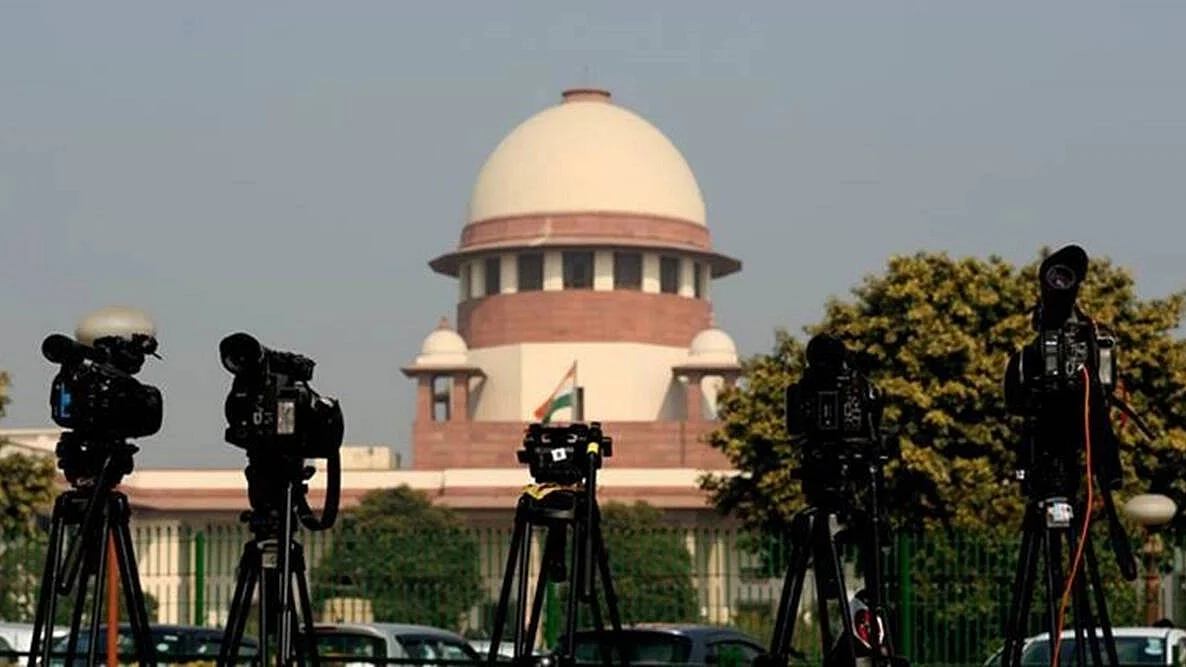


A group of former senior civil servants has written an open letter to the Supreme Court of India, expressing “deep anguish” over a series of recent orders that they say weaken constitutional protections for the environment and undermine citizens’ fundamental right to life.
The letter, dated 28 December and issued by the Constitutional Conduct Group (CCG), is signed by 79 retired officers from the all-India services and Central services, including former secretaries, chief secretaries, police chiefs, diplomats and regulators. The group said the court’s recent decisions had caused it to fear that “the last bastion meant to uphold constitutional provisions to protect nature and life” was giving way to the influence of powerful vested interests.
The CCG flagged three Supreme Court orders passed in quick succession in November 2025, arguing that together they mark a significant retreat from established environmental jurisprudence.
Ex post facto environmental clearances
The first concern relates to the Supreme Court’s decision on 18 November, to recall its own May judgment that had declared ex post facto environmental clearances illegal. In that earlier ruling, a two-judge bench had struck down 2017 and 2021 directives of the Ministry of Environment, Forests and Climate Change (MoEFCC) that allowed projects to be regularised after commencing construction or operations without prior environmental approval.
The May order had held that retrospective clearances violated Article 21 of the Constitution by compromising the right to a clean and healthy environment. However, a three-judge bench later recalled the judgment by a 2:1 majority, accepting review petitions filed by developer and real estate associations which warned of “devastating” economic consequences if such clearances were barred.
While the legal question has been referred to a larger bench, the CCG warned that the recall has effectively reopened the door to ex post facto approvals in the interim, leaving the Union government free to process such applications. The group expressed hope that the larger bench would uphold the original May ruling, especially in the context of worsening climate events and severe air pollution across north India.
Aravalli redefinition
The second concern relates to the Supreme Court’s 20 November order accepting a new definition of the Aravalli hills, classifying them as landforms rising at least 100 metres above local relief.
The CCG said the definition could exclude more than 90 per cent of the Aravalli range — estimated to be around 670 million years old — from environmental protection, opening vast areas to mining and construction. The group warned that this would weaken the Aravallis’ role as a natural barrier against desertification, disrupt wildlife corridors, degrade scrub forests and native tree cover, and severely affect groundwater recharge in the Delhi-NCR region.
The letter noted that the Aravallis have the potential to recharge groundwater at approximately 2 million litres per hectare, and cautioned that disturbing interconnected aquifers could exacerbate water scarcity in an area already facing rapidly falling groundwater levels.
The court has directed the MoEFCC to prepare a scientific mapping and sustainable mining plan for the region. The CCG expressed dismay that the same ministry whose committee proposed the contested definition had been entrusted with drawing up the mining framework, warning that this could legitimise large-scale mining with judicial finality.
Central Empowered Committee
The third issue raised concerns a November order restraining the government from disbanding the present Central Empowered Committee (CEC) without the Supreme Court’s approval.
The CCG said it had earlier written to the court in June, highlighting concerns that the current composition of the CEC had resulted in repeated endorsement of environmentally harmful government actions. According to the group, the committee no longer functions as an independent monitor of compliance with forest, wildlife and conservation laws, but instead facilitates diversion of forest land.
The letter also noted that a member of the CEC was part of the expert committee that recommended the new definition of the Aravalli hills, raising questions about institutional independence. The group urged the court to reconstitute the CEC with balanced representation from government and non-government experts, in line with its original mandate when it was set up in 2002.
Appeal to the court
Taken together, the CCG said, the three orders run contrary to the interests of Indian citizens and the conservation of nature. The group urged the Supreme Court to prioritise public health and environmental protection over financial considerations, and to reaffirm principles such as “polluter pays”, the precautionary principle and intergenerational equity.
The letter concludes with an appeal to the judiciary to uphold the fundamental right to life by ensuring access to a clean and healthy environment, describing this as essential to the constitutional promise of the Republic.
Join our official telegram channel (@nationalherald) and stay updated with the latest headlines