


Govt's reply awaited as UN experts flag minority targeting in India's SIR
Special rapporteurs raise concerns over mass voter deletions, discriminatory rhetoric and alleged use of AI in voter verification
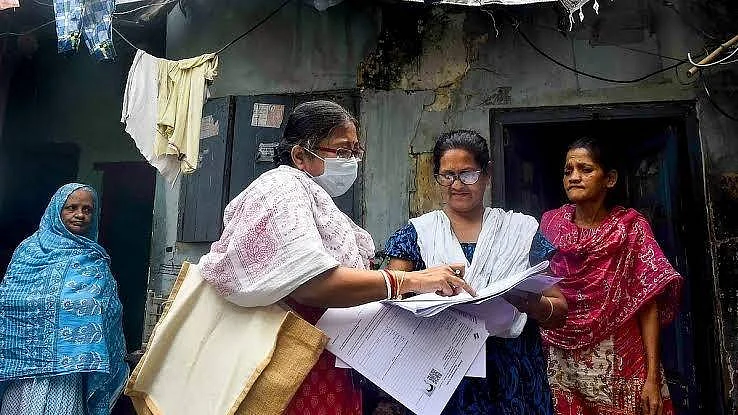


Three United Nations special rapporteurs have raised concerns over the alleged disproportionate impact of India's Special Intensive Revision (SIR) of electoral rolls on minority communities, flagging mass voter deletions, "discriminatory rhetoric" and the reported use of artificial intelligence to identify irregularities in voter data.
The Indian government has not yet officially responded to the concerns raised in the UN experts' communication.
In a letter to the government dated 1 May, the special rapporteurs expressed concern over the large-scale removal of names from electoral rolls and said minority groups could be particularly affected.
The experts also noted concerns over the alleged use of artificial intelligence to flag irregularities in electoral data, warning that it could raise questions about "transparency, errors and potential bias".
According to the communication, nearly 52 million names have been removed from electoral rolls across 12 states and Union Territories during the SIR exercise.
"West Bengal has been particularly affected, where a total of 9.1 million names were reportedly deleted from the register," the letter said.
The third phase of the electoral roll revision is currently under way in 16 states and three Union Territories.
The UN experts also flagged allegations that voters had been removed from electoral rolls because of minor spelling discrepancies and raised concerns over the time available to tribunals to hear appeals against exclusions.
The letter particularly highlighted what it described as "discriminatory rhetoric" against minority communities by political leaders.
"Senior government officials, including the Union Home Minister [Amit Shah], have reportedly publicly framed the deletion of voter names as targeting illegal Bangladeshi immigrants, a rhetoric that conflates legitimate Indian Muslim citizens with foreign nationals," the communication said.
The rapporteurs said such rhetoric could amount to potential "incitement to discrimination within the meaning of Article 20(2) of the International Covenant on Civil and Political Rights", which India has ratified.
The communication also cited the impact of the SIR on the 2026 West Bengal Assembly elections, taking note of reports alleging that 95 per cent of voters deleted from electoral rolls in the Nandigram constituency were Muslims, despite the community accounting for around 25 per cent of the electorate.
The Indian government is yet to issue an official response to these specific allegations and concerns raised by the UN special rapporteurs.
The concerns come after the Supreme Court on 27 May upheld the legality of the Election Commission's Special Intensive Revision of electoral rolls, saying the exercise "advances the constitutional imperative of free and fair elections".
The UN experts' communication echoes concerns raised during the updating of the National Register of Citizens (NRC) in Assam.
In December 2018, UN special rapporteurs sent a similar communication raising concerns about the possible exclusion of ethnic, religious and linguistic minorities from the NRC exercise.
The Assam NRC was updated in 2019 after a massive scrutiny of ancestral and family documents aimed at identifying undocumented immigrants. The final list excluded around 19 lakh residents but has not been officially notified more than six years later.
The latest communication is bringing renewed international scrutiny to India's electoral roll revision process, even as an official response from the Indian government to the UN experts' concerns is awaited.
Join our official telegram channel (@nationalherald) and stay updated with the latest headlines