


IndiGo’s overnight collapse triggers airfare anarchy, political storm
MPs demand answers as India’s largest airline buckles, fares explode six-fold, and government struggles for control
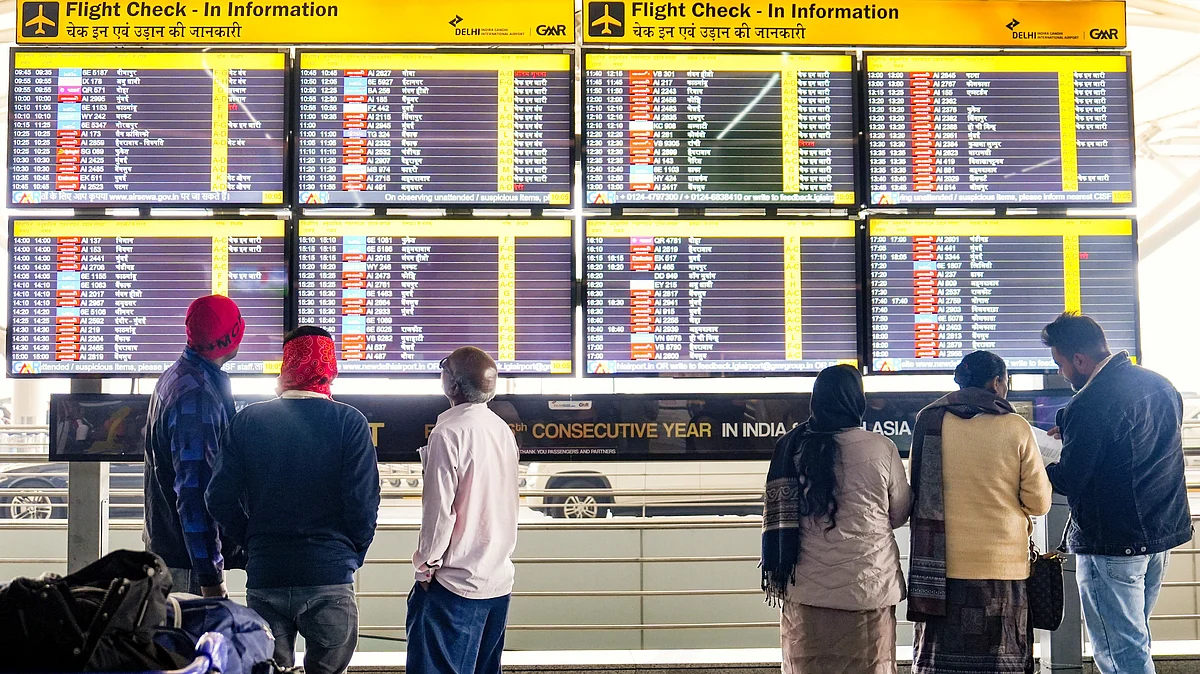


India’s aviation sector plunged into turmoil this week after IndiGo abruptly cancelled more than a thousand flights in a single day, sending fares spiralling to record highs and prompting an unusually sharp political backlash in both Houses of Parliament.
The immediate trigger was the rollout of Phase 2 of the DGCA’s revised flight duty time limitations (FDTL), which sharply increased mandatory rest hours for pilots. IndiGo — which operates around 2,300 flights daily and holds nearly 65 per cent of India’s domestic market — was unable to field enough crew to maintain its schedule. The cancellations began mid-week but escalated dramatically on Friday, effectively removing a large chunk of India’s aviation capacity “almost overnight”.
The collapse instantly reverberated across the system: SpiceJet’s Kolkata–Mumbai one-stop fare shot up to Rs 90,000, while Air India’s Mumbai–Bhubaneswar fare reached Rs 84,485. Several trunk routes saw fares doubling, tripling or rising as much as six-fold.
The disruptions spilled directly into the Rajya Sabha on Friday, 5 December. Congress MP Pramod Tiwari said the crisis was “deeply troubling”, adding: “One airline, IndiGo, has cancelled hundreds of flights, affecting MPs and common citizens. A market where one airline has such dominance is as good as a monopoly.”
He asked the civil aviation minister to clarify what corrective steps were being taken and when normal operations would resume.
Shiv Sena (UBT) MP Priyanka Chaturvedi, who submitted a notice in the Upper House, demanded an immediate statement from the government on the “severe inconvenience” caused across the country.
In the Lok Sabha, Aam Aadmi Party MP Raghav Chadha warned that the cancellations had stranded not just ordinary flyers but parliamentarians themselves. “Several MPs are unable to reach their constituencies,” he said, adding that the government must explain why the impact of the new FDTL rules was not assessed beforehand.
Outside Parliament, Congress Alappuzha MP and general-secretary (organisation) K.C. Venugopal put out a sharp post on X, calling the situation “a clear consequence of the government sleeping at the wheel. This is what happens when you allow the creation of a duopoly and leave pricing to the mercy of algorithms”.
Congress MP Shashi Tharoor also criticised both the airline and the regulator, saying: “IndiGo and the DGCA should have anticipated the impact of the new rules and hired or trained more pilots. The public should not be paying the price.”
Government response: Assurances, but no control over fares
Responding in the Rajya Sabha, parliamentary affairs minister Kiren Rijiju said the government was “aware of the inconvenience” and was “in touch with the airline”. He added that the civil aviation ministry would “examine all aspects” of the cancellations.
Civil aviation minister R.M. Naidu Kinjarapu later told reporters that the scale of the disruption was “unanticipated” and confirmed that the ministry had ordered a high-level review into the airline’s rostering crisis and the implementation of the new FDTL norms.
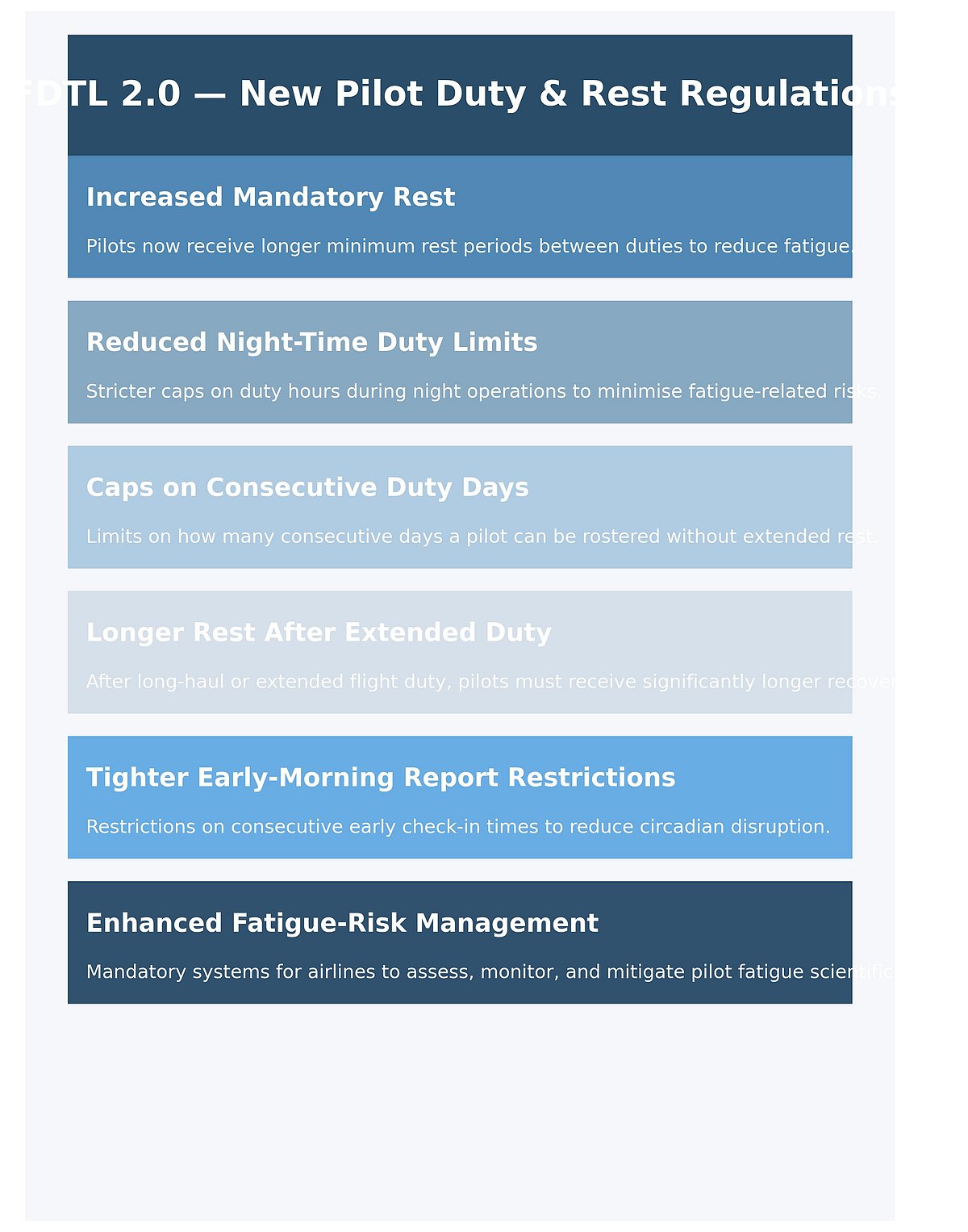
However, on the politically sensitive issue of soaring fares, officials privately acknowledged that the government currently has no legal mechanism to cap prices unless temporary emergency bands — such as those imposed during Covid-19 — are reinstated. No such step has yet been taken.
Industry voices echo political concerns
Travel industry leaders described the price explosion as nothing short of opportunistic. Nomad Travel CEO and former Travel Agents Association of India president Ajay Prakash said: “If a Rs 10,000 ticket is being sold at Rs 60,000, that is profiteering. A market where one airline has 64–65 per cent share is effectively a monopoly.”
Subhash Goel, founder of Stick Travel and former Indian Association of Tour Operators president, said he has formally written to the civil aviation ministry seeking the reintroduction of fare caps. “We had them during Covid. This situation is no less severe for passengers,” he said.
IndiGo says it is working to restore normal operations, but analysts warn that the crew shortage may continue for several days. Meanwhile, the political pressure is intensifying, with MPs demanding a full briefing on why neither the airline nor the regulator anticipated the magnitude of disruption.
For now, India’s aviation grid remains under strain, passengers continue to face unpredictable fares, and the government is confronting uncomfortable questions about how a single airline’s operational lapse could trigger a nationwide crisis.
With PTI inputs
Join our official telegram channel (@nationalherald) and stay updated with the latest headlines