


Indore water contamination: Audit indicates 15 deaths linked to diarrhoea
The document — prepared by a government medical college committee — remains with DM Shivam Verma


An audit submitted to the Indore district administration has suggested that 15 of the 21 recent deaths in Bhagirathpura may be linked in some form to an acute outbreak of vomiting and diarrhoea triggered by contaminated drinking water, according to officials familiar with the findings.
The document — prepared by a government medical college committee — remains with district magistrate Shivam Verma, who acknowledged its submission but did not divulge its full contents.
The crisis in Bhagirathpura — in Indore, often touted as India’s cleanest city — has prompted fresh scrutiny of civic infrastructure. On Tuesday, the Madhya Pradesh health department reported five new diarrhoea cases from the locality, with chief medical and health officer Dr Madhav Prasad Hasani confirming treatment in outpatient facilities.
Officially, the administration has confirmed six deaths directly caused by diarrhoea and vomiting from contaminated water. But local residents insist the toll is higher, alleging 23 fatalities including infants, feeding perceptions of a cover-up.
As of the latest data, 436 patients have been hospitalised since the outbreak began on 29 December. Of these, 403 have been discharged and 33 remain under treatment, including eight in intensive care.
The administration has provided Rs 2 lakh in financial aid to 18 affected families, and officials have emphasised humanitarian support rather than political rhetoric.
The incident has quickly become a political flashpoint in Madhya Pradesh, drawing sharp public criticism from leaders across parties.
Also Read: Indore’s paradox: ‘Clean’ city, dirty water
Congress leader and leader of the Opposition Umang Singhar visited Bhagirathpura and directly blamed the BJP-led state government, asserting that repeated claims of Indore’s cleanliness mean little when “poison is flowing from the taps”. He accused the ruling party of administrative negligence and said the crisis exposes a “failure of governance” despite full public mandates.
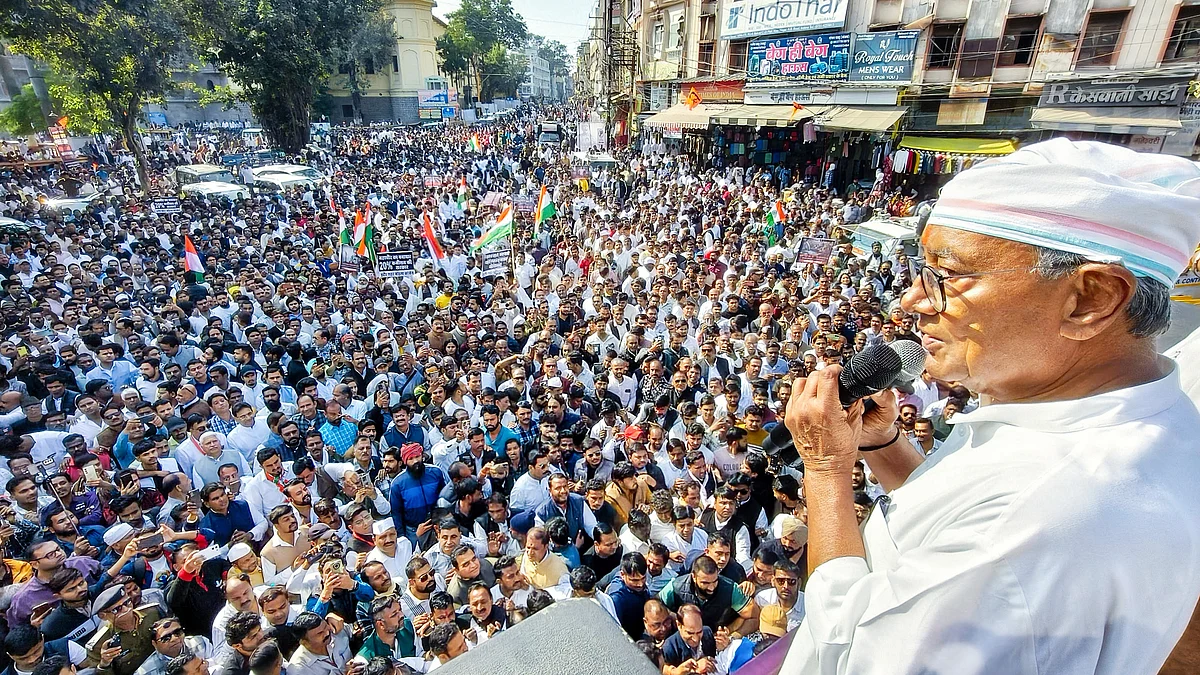
Congress workers have staged protests and a 'Nyay Yatra' (justice march) across the city to highlight the deaths and demand accountability, including resignations and a transparent judicial probe.
Madhya Pradesh urban development minister Kailash Vijayvargiya, whose portfolios include urban governance, issued an open letter calling for unity and “a new beginning” to restore Indore’s reputation but was rebuked by Congress leaders as insensitive and deflective for failing to accept direct responsibility or tender apologies.
Chief minister Mohan Yadav termed the outbreak an “emergency-like situation” and assured strict action against those responsible, ordering the suspension or relocation of some municipal officials involved in water supply oversight.
The Madhya Pradesh High Court intervened, sharply criticising the state government’s handling of the crisis as “insensitive”, highlighting both the human cost and lapses in basic civic services.
The political backlash mirrors rising public anger. Local Congress cadres have held demonstrations in Indore, calling for the resignation of municipal and state water officials, and have demanded criminal investigations under charges of negligence and culpability.
Social media campaigns, petitions to the chief minister, and citizen groups bringing bottles of murky water to municipal jal sunvai (water grievance hearings) signal escalating frustration with long-standing water quality issues.
Even long-time local leadership from Indore’s political past — who historically fought for clean water infrastructure — have been invoked in public discourse, comparing present failures to past civic movements.
Indore’s situation fits into a wider pattern across Indian states where failures in water supply and sanitation have not just been public-health emergencies but also major political liabilities:
In Gujarat's cities, including Ahmedabad and Vadodara, gastroenteritis outbreaks tied to contaminated pipelines prompted Opposition parties to target the ruling state government in local polls
In Odisha’s Sambalpur district, diarrhoea outbreaks triggered public protests and legal notices over municipal negligence
In Haryana’s Panchkula, contaminated water crises saw suspension of civic officials and became a campaign issue in Assembly elections
Earlier crises in Uttar Pradesh tied to old sewer lines infiltrating drinking water became centrepieces in electoral debates
In each case, failures in water management have shifted from civic concerns to major political vulnerabilities, especially in regions where governments had previously bet their reputations on “cleanliness” credentials.
Indore’s crisis — in a city that has repeatedly topped cleanliness rankings — now threatens to undermine those civic accolades and raises questions about how much political capital can withstand failures in basic public health services.
With PTI inputs
Join our official telegram channel (@nationalherald) and stay updated with the latest headlines