


Karnataka finds up to 31.2 pc ethanol in petrol, far above E20 limit
State tests samples from seven districts, seeks Centre's intervention, accountability for oil companies and compensation for motorists
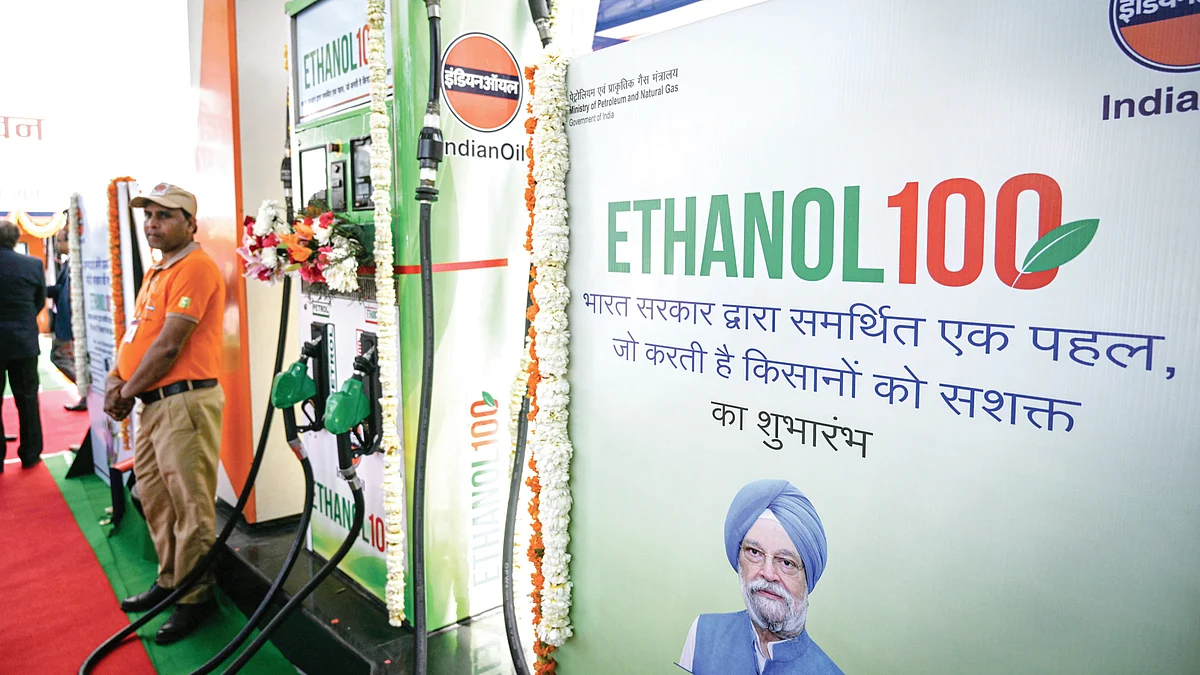


Karnataka finds ethanol content as high as 31.2 per cent in petrol samples, exceeding the prescribed E20 limit.
State seeks action against oil companies and compensation for motorists potentially affected by over-blended fuel.
Findings intensify scrutiny of the Centre's ethanol-blending programme and fuel quality standards.
In a fresh escalation of the controversy over ethanol-blended petrol, the Karnataka government has alleged that fuel sold by major oil marketing companies in the state contains ethanol well above the prescribed 20 per cent limit, with laboratory tests recording concentrations as high as 31.2 per cent.
The findings, announced by state food, civil supplies and consumer affairs minister Rizwan Arshad on Friday, 6 November, have raised fresh questions about fuel quality, vehicle compatibility and the implementation of the Centre's E20 programme.
According to Arshad, the state government collected 63 petrol samples from seven districts and sent them for testing at a certified laboratory after oil marketing companies failed to provide details of the ethanol content in their fuel.
The districts covered included Bengaluru, Kolar, Chikkaballapura, Bengaluru Rural, Ramanagara, Mangaluru and Tumakuru.
The highest ethanol concentration of 31.2 per cent was detected in a sample collected from an Indian Oil Corporation (IOC) outlet. A sample of Hindustan Petroleum Corporation's (HPCL) Power petrol recorded 30.5 per cent, while another HPCL sample contained 27 per cent ethanol. A Bharat Petroleum Corporation (BPCL) sample recorded 26.5 per cent, according to the state government's findings.
Samples from Nayara Energy and Shell outlets also recorded concentrations above the prescribed limit.
The Karnataka government said the samples were initially sent to the in-house laboratories of IOC and BPCL. However, the reports issued by these laboratories did not disclose the ethanol content, despite it being one of the prescribed testing parameters. The state subsequently commissioned independent testing at the Shriram Research Institute in Bengaluru.
Arshad said the findings raised serious concerns about the quality of petrol being supplied to consumers and the possible consequences for vehicles not designed to run on higher ethanol blends.
"Few vehicles are E20 compliant. Even E20-compliant vehicles will also have issues (if ethanol content is more than 20 per cent)," he said.
The minister called on the Centre to hold oil marketing companies accountable for supplying petrol with ethanol concentrations exceeding the prescribed limit. He also demanded a compensation fund for motorists whose vehicles may have suffered damage because of the higher blends.
The state government has further sought mandatory display of ethanol content at petrol pumps across the country, along with an option for consumers to choose between different fuel blends.
It has also urged the Centre to clarify the actual ethanol composition of petrol being supplied to consumers and explain how concentrations exceeding 20 per cent were being detected.
The controversy comes amid growing resistance to the Centre's nationwide E20 rollout, under which petrol is blended with 20 per cent ethanol to reduce dependence on imported crude oil, lower emissions and support domestic ethanol producers.
The programme has faced criticism from motorists, particularly owners of older vehicles, over complaints of reduced fuel efficiency and possible wear and tear of engine components. Ethanol has different combustion and material properties from conventional petrol, raising concerns about the compatibility of fuel systems in vehicles not designed for higher blends.
While the government has maintained that the E20 programme is scientifically validated and that concerns over vehicle damage lack conclusive scientific evidence, the latest findings from Karnataka have brought the question of compliance with prescribed blending limits into sharper focus.
The Centre and the oil marketing companies named by the Karnataka minister had not immediately responded to Reuters' requests for comment.
The controversy also follows a Reuters investigation in August, which found that India's automobile industry lobby, the Society of Indian Automobile Manufacturers (SIAM), had privately flagged concerns about contaminated E20 fuel and its potential impact on vehicle components. SIAM subsequently 'clarified' that the data was intended for internal discussion and validation and had been collected by a limited number of automakers.
In August, state-run oil marketing companies had defended the quality of E20 petrol, saying nationwide testing had found no evidence of excessive chloride contamination or moisture in the fuel. They maintained that the fuel met prescribed quality standards.
The Karnataka government has said it will continue testing fuel samples and has called for corrective action wherever violations are established.
Join our official telegram channel (@nationalherald) and stay updated with the latest headlines