


Kochi airport steps up Ebola screening and surveillance measures
Authorities activate round-the-clock monitoring and stricter health checks amid global concerns over Ebola outbreaks in Africa
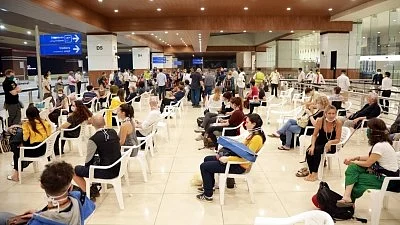


Health authorities have intensified Ebola surveillance and precautionary measures at Cochin International Airport in Kochi following growing global concern over outbreaks reported in parts of Africa.
The enhanced measures were finalised during an emergency preparedness meeting jointly organised by Cochin International Airport Limited (CIAL) and the Airport Health Organisation (APHO).
According to an official statement issued on Friday, the airport has strengthened its health surveillance systems and precautionary protocols to improve early detection and prevent any potential spread of the virus through international travel.
As part of the new measures, airport authorities have introduced 24-hour monitoring of international passengers arriving at Kochi airport. Thermal screening, verification of passengers’ 21-day travel history and mandatory self-declaration forms are now being enforced for travellers arriving from overseas.
Officials said particular attention would be given to passengers arriving from countries including the Democratic Republic of the Congo, Uganda and South Sudan, where Ebola-related concerns remain high.
The preparedness meeting was attended by senior representatives from CIAL, APHO, the Central Industrial Security Force (CISF), immigration authorities, airlines and the Airports Authority of India.
Airport Health Officer Dr Raphael Teddy, Airport Director Manu G and Senior Medical Officer Dr Aysha Manika K.A. were among those present during the discussions.
During the meeting, APHO public health specialist Dr Anna presented a detailed response strategy focusing on Ebola prevention, case identification and infection control protocols.
Authorities noted that while five species of the Ebola virus have been identified globally, there is currently no approved vaccine or specific treatment available for the Bundibugyo Ebola Virus variant.
Health officials also reiterated that the virus can spread through animal-to-human transmission as well as direct contact with bodily fluids of infected individuals.
The incubation period of Ebola ranges from two to 21 days, with early symptoms including fever, sore throat, headaches and flu-like illness. Officials said the disease carries a mortality rate of between 30 and 50 per cent.
To strengthen emergency readiness, isolation facilities have been arranged at Ernakulam General Hospital, Government Hospital Kalamassery and District Hospital Aluva.
Authorities have also urged strict adherence to preventive measures, including wearing three-layer masks and maintaining proper hand hygiene through regular washing with soap.
With IANS inputs
Join our official telegram channel (@nationalherald) and stay updated with the latest headlines