


Kunal Kamra, journalist Seema Chishti move SC over legislative privileges, free speech
Seven-judge Constitution bench to examine scope of MLAs’ privileges and their interplay with fundamental rights
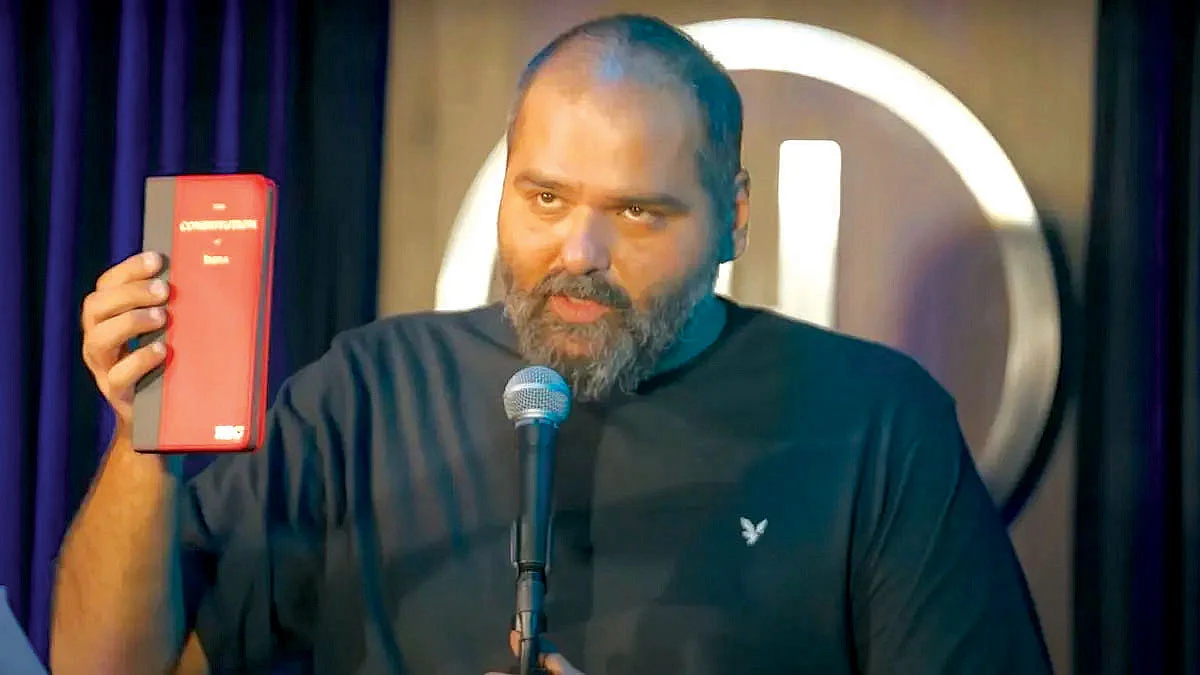


Kunal Kamra and Seema Chishti have moved the SC on legislative privilege and free speech.
A seven-judge bench will hear the issue from 6 October.
Kamra faces privilege proceedings over his Maharashtra Assembly-linked comedy special.
Stand-up comedian Kunal Kamra and journalist Seema Chishti have moved the Supreme Court seeking to intervene in a case examining the scope of legislative privileges of MLAs and their interplay with freedom of speech and expression.
A seven-judge Constitution bench is scheduled to begin hearing the matter on 6 October. The case raises questions about the relationship between legislative privileges and fundamental rights, including freedom of speech under Article 19(1)(a).
Kamra, in his plea, said he was directly affected by the issues before the court because of privilege proceedings pending against him in the Maharashtra Assembly over his comedy special Naya Bharat. He argued that using legislative privilege to “stifle” citizens’ speech affects not only members of the press but anyone commenting on the actions of legislators.
The comedy special triggered controversy over remarks concerning Maharashtra deputy chief minister Eknath Shinde. BJP legislator Pravin Darekar had moved a breach of privilege notice against Kamra and Shiv Sena (UBT) spokesperson Sushma Andhare.
Chishti, editor of The Wire, has separately filed an intervention application through advocate Neha Rathi. Her plea argues that the case involves the balance between legislative privileges, the citizen’s right to know, freedom of the press and judicial intervention in matters concerning legislative privilege.
The underlying case, N Ravi and others versus Speaker, Legislative Assembly, Chennai, dates back to 2003, when journalists approached the Supreme Court after the Tamil Nadu Assembly ordered their arrest for alleged breach of privilege and contempt. The Supreme Court stayed the proposed arrests and subsequently referred the matter for authoritative consideration by a seven-judge bench.
The constitutional questions include the interpretation of Article 194(3), which concerns legislative privileges, and its relationship with Article 19(1)(a) and Article 21. Conflicting judicial views on the relationship between fundamental rights and legislative privileges led to the reference to a larger bench.
The Supreme Court is now scheduled to hear the matter from 6 October.
Tweet:
Join our official telegram channel (@nationalherald) and stay updated with the latest headlines