


Law students across India oppose transgender rights amendment bill
Over 40 student groups criticise proposed changes, citing concerns over self-identification and lack of consultation
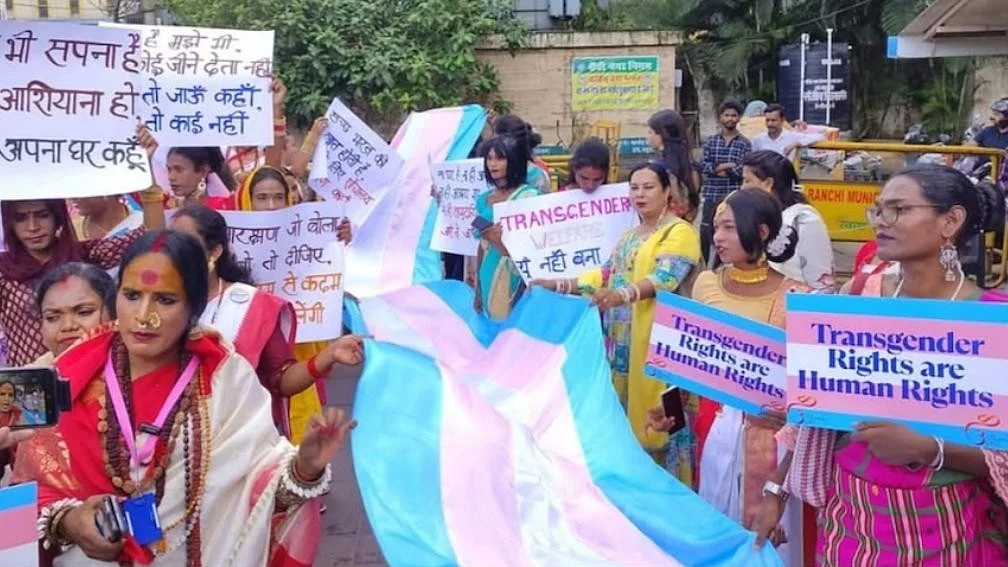


More than 40 student organisations from over 25 law schools across India have jointly opposed the proposed Transgender Persons (Protection of Rights) Amendment Bill, 2026, raising concerns over its impact on existing legal protections and community rights.
Groups including the Students' Federation of India and the All India Students' Association, along with student bodies from institutions such as National Law School of India University, NALSAR University of Law, Jamia Millia Islamia and Government Law College Mumbai, issued a collective statement on 20 March condemning the proposed legislation.
One of the central objections relates to the Bill’s provisions on gender identity. Critics argue that it effectively removes the principle of self-identification, which was recognised by the Supreme Court in the landmark NALSA v. Union of India ruling. The proposed amendments introduce a requirement for individuals to obtain certification through a process involving a medical board and approval by a district authority.
Student groups have also raised concerns about what they describe as a narrowing of the legal definition of “transgender”. According to the joint statement, the revised framework appears to prioritise biological criteria and certain socio-cultural identities, potentially excluding trans men, non-binary and genderqueer individuals from formal recognition.
Another point of contention is the introduction of medical scrutiny in the certification process. Under the proposed changes, a certificate of identity would be issued only after verification by a medical board, a move critics say undermines personal autonomy and dignity.
The manner in which the Bill was introduced has also drawn criticism. Student bodies and activists allege that it was tabled in the Lok Sabha on 13 March without adequate consultation with stakeholders, including members of the transgender community and the National Council for Transgender Persons.
Opposition to the Bill has extended beyond campuses. Demonstrations have been held in several cities, including Delhi, Pune, Hyderabad and Kolkata, with protesters calling for the withdrawal of the proposed amendments.
Student groups have also launched petitions and are engaging with Members of Parliament in an effort to build broader opposition to the legislation. Among their key demands is the restoration of provisions from the 2019 law that recognise the right to self-determined gender identity.
The government has yet to respond in detail to the concerns raised, but the growing mobilisation among students and activists suggests the Bill is likely to face sustained scrutiny in the weeks ahead.
With PTI inputs
Join our official telegram channel (@nationalherald) and stay updated with the latest headlines