


Maharashtra civic polls: Of multiple corporators and confused voters
In several corporations, voters were confronted with two EVMs and told to vote for not one but four candidates
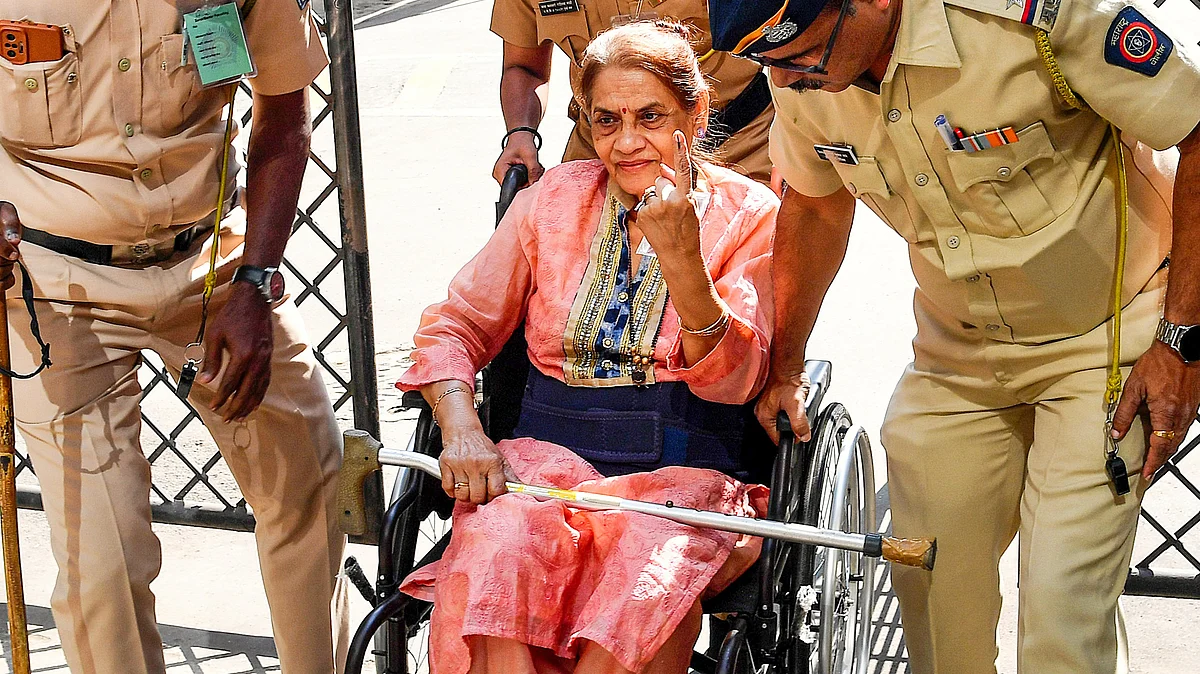


Maharashtra’s municipal corporation elections on 15 January marked a return to democratic city governance after a gap of more than three years of administrative rule. The elections, however, exposed a troubling disconnect between those who conducted the election and those who voted.
In particular, the introduction of a multi-member ward system — requiring voters to cast three or four votes per booth in 28 municipal corporations, excluding Mumbai — transformed a familiar civic exercise into a confusing process.
Nowhere were these shortcomings more evident than in the Mira-Bhayandar Municipal Corporation (MBMC), where I cast my vote and witnessed, at close quarters, how procedural complexity can undermine democratic participation.
The State Election Commission (SEC) justified the multi-member ward system as a means of enhancing representation in densely populated urban areas. Electing three or four corporators in the same ward is an experiment that was neither discussed nor debated. The pros and cons of this radical departure are unclear. There is no clarity on which of these corporators will be accountable for what; or is it another exercise to fit in as many party faithful as possible and include them in the ‘system’?
In theory, electing multiple corporators per ward could reflect demographic diversity and reduce artificial fragmentation. In practice, however, the abrupt departure from the traditional one-ward-one-corporator model placed a heavy cognitive burden on voters — particularly elderly and first-time electors — without adequate preparation or public education.
Across Maharashtra, voters struggled to navigate sequential voting on Electronic Voting Machines (EVMs). Many likened the process to pressing buttons blindly, unsure whether all required votes had been cast or whether a misstep would invalidate the ballot.
In some areas, polling booths were located far apart, forcing voters to walk considerable distances or abandon the process midway. Predictably, turnout suffered in several urban pockets.
For me, the consequences of this system became apparent the moment I stepped out to vote in Mira-Bhayandar. Long accustomed to voting at a nearby polling station, I was surprised to learn that my booth had been relocated, with little advance notice or clear signage. The confusion deepened when I discovered that members of my own family — residing at the same address — were assigned to different wards and different polling stations, some several kilometres apart.
Inside the polling booth, the experience was no less disorienting. Under the four-member ward system, I was required to cast multiple votes in succession. The procedure was inadequately explained, and polling officials, though earnest, appeared overwhelmed. Elderly voters around me were visibly anxious, uncertain about how many votes remained to be cast and fearful that a missed step might render their ballot invalid.
The unfamiliarity of the candidates compounded the problem. Of the four names presented, I barely recognised anyone. The remaining candidates were political strangers, drawn from distant parts of the ward with little evident connection to the everyday civic concerns of my neighbourhood — chronic water shortages, deteriorating roads, unregulated construction, and mounting pressure on public services. The essential link between voter and representative felt attenuated.
Equally troubling was the absence of safeguards that voters have come to expect in national and state elections. In some booths, Voter Verifiable Paper Audit Trail (VVPAT) slips were missing. Instead of indelible ink, erasable marker pens were used. These lapses may appear minor, but collectively they fostered unease about the integrity of the process.
By the time I exited the polling station, a sense of fatigue was palpable. For many voters, democracy had begun to feel less like a right and more like a test of endurance. Turnout figures later reflected this disengagement, with participation in parts of Mira-Bhayandar remaining worryingly low through much of the day.
The experience of Maharashtra’s 2026 civic elections offers a cautionary lesson. Electoral reforms, however well-intentioned, cannot succeed without clarity, uniformity, and sustained voter education. The SEC’s differential treatment of Mumbai — where single-member wards and familiar voting protocols were retained — only deepened perceptions of inconsistency.
If democratic institutions are to command trust, they must make participation simpler, not more arduous. Mandatory VVPAT deployment, uniform voting procedures across municipalities, timely voter awareness campaigns, and transparent communication are not optional refinements; they are prerequisites for credible elections.
Hasnain Naqvi is a former member of the history faculty at St Xavier’s College, Mumbai, and a resident of Mira Road
More of his writing may be read here
Join our official telegram channel (@nationalherald) and stay updated with the latest headlines