


New CAG reports flag massive govt failures. Where's the outcry?
A series of CAG reports tabled in Parliament in December 2025 flagged government failures on multiple fronts. Media ignored them, we stayed blissfully ignorant
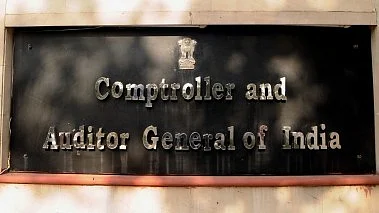


What explains the deafening silence of the media and the complete absence of public protests in response to a series of damning CAG (Comptroller and Auditor General) reports tabled in Parliament last month? In a scathing social media post, Moneylife India’s managing editor Sucheta Dalal asks what changed since 2012–13, when CAG reports on 'presumptive' losses from 2G and coal block allocations triggered nationwide protests and contributed to the defeat of the UPA government.
Since then, the Modi government has claimed to have transferred Rs 34 lakh crore directly to beneficiaries under ‘Digital India’. These digital transfers, it asserts, eliminated middlemen and saved over Rs 2.7 lakh crore in administrative costs. It has also repeatedly claimed to have eliminated corruption in welfare delivery — a far cry, BJP leaders note, from Rajiv Gandhi’s 1985 lament that only 15 paise of every rupee spent on welfare schemes actually reached the intended beneficiary.
Since 2014, however, the Modi government has effectively defanged the office of the CAG, a constitutionally independent authority. By appointing retiring bureaucrats close to the government at the helm of the auditing body, it has ensured that audit reports seldom embarrass the administration. The reports are rarely discussed in Parliament, and even if the Public Accounts Committee raises red flags in closed sittings, little reaches the public domain.
Even so, as Dalal notes in her video blog and accompanying text, the CAG reports presented to Parliament over the past six weeks have been especially damning. They indicate that the architecture of ‘Digital India’ suffers from serious structural flaws and has, in many cases, facilitated fraud.
Far from transforming welfare delivery, the reports suggest that little has changed since 2012–13: ghost beneficiaries continue to thrive, and the digital system allows non-existent phone numbers and individuals at fake addresses to receive benefits in place of the genuinely deserving.
In one instance, the system even allowed a trainer under PM Kaushal Vikas Yojana (PMKVY) to claim that sessions were held on “31 February”.
The silence surrounding these findings — and the absence of any public demand for accountability — suggests, Dalal argues, that India has normalised governmental failure.
The blog highlights several CAG reports made public in December 2025 to illustrate the point:
The CAG flagged Rs 21,695 crore worth of irregularities in GST collections, citing weak monitoring, incomplete automation, and lapses in compliance checks. The report pointed to systemic issues in return filing, tax payments, and oversight.
A performance audit of direct benefit transfer (DBT) programmes highlighted exclusion, duplication and weak monitoring mechanisms.
Serious irregularities in PMKVY, including fake beneficiary data, unverifiable placements, weak financial controls and systemic lapses in monitoring, raised doubts about official claims on training, certification and employment.
Projects under Central housing schemes suffered from time overruns, cost escalations, poor planning and weak contractors. The CAG noted irregularities in identifying eligible households, with deserving families excluded while ineligible beneficiaries slipped through.
One CAG report found that 94–95 per cent of audited PMKVY beneficiaries had fake bank accounts; that one crore candidates shared the same email and phone numbers; that records of 6.1 million trainers were incomplete; and that placement claims by implementing agencies were largely unverifiable.
It is also worth noting that the CAG conducts test audits, meaning the findings are based on samples rather than an exhaustive scrutiny of entire schemes. Audit reports are first shared with the relevant government agencies for comments and clarifications, and only those findings that do not receive satisfactory explanations are included in the final published reports.
Join our official telegram channel (@nationalherald) and stay updated with the latest headlines