


PGIMER teams brave extreme weather to complete life-saving transplants
Chandigarh institute retrieves and transplants liver and pancreas from Rishikesh donor amid tight timelines and challenging conditions
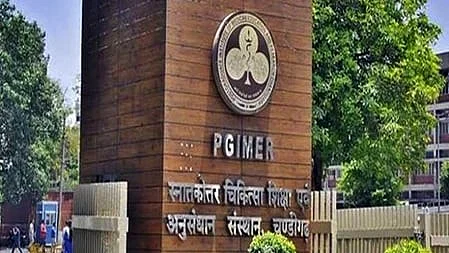


Medical teams from the Postgraduate Institute of Medical Education and Research (PGIMER) in Chandigarh battled severe weather and intense time pressure to successfully carry out liver and pancreas transplants, ensuring that donated organs reached recipients without delay.
The operation involved the retrieval of multiple organs from a donor at AIIMS Rishikesh in Uttarakhand and their allocation to transplant centres across the country. Despite biting cold, heavy rain and strong winds, doctors and support staff coordinated a complex, multi-state effort to honour the donor’s final gift of life.
The donor, 42-year-old Raghu Paswan, was admitted to AIIMS Rishikesh on 16 January after suffering critical injuries in a fall from a two-storey building. He sustained a severe traumatic brain injury and was later declared brain dead, despite sustained medical intervention. In the midst of their grief, his family consented to organ donation, offering hope to several patients awaiting transplants.
Under national allocation protocols, Paswan’s liver, pancreas and one kidney were allotted to PGIMER in Chandigarh. Another kidney was sent to AIIMS New Delhi, the heart to the Army Hospital (Research and Referral) in the capital, and the lungs to Apollo Hospital in Chennai, extending the impact of the donation across multiple regions.
According to PGIMER officials, organ allocation was carried out in line with the Transplantation of Human Organs and Tissues Act, 1994, through coordination between the National Organ and Tissue Transplant Organisation (NOTTO) and the Regional Organ and Tissue Transplant Organisation (North), ensuring transparency and fairness.
Highlighting the scale of the challenge, PGIMER’s liver and pancreas transplant teams departed Chandigarh late on 22 January and travelled by road to Rishikesh, reaching the hospital in the early hours of the morning after nearly six hours of continuous travel. The organ retrieval began at 9 am and was completed by noon, after which a green corridor was created to enable the rapid transport of the liver graft back to Chandigarh.
The teams returned to PGIMER by mid-afternoon, where the organs were immediately taken into surgery for transplantation. Doctors noted that, for the first time, a liver was transported by road from AIIMS Rishikesh to PGIMER under such adverse weather conditions in order to minimise ischaemia time.
PGIMER Director Professor Vivek Lal said the operation reflected the strength of teamwork and the selflessness of the donor’s family. He described the donation as a powerful reminder of humanity emerging from loss, adding that no effort was spared to ensure that logistical challenges did not cost lives.
The pancreas was transplanted into a 28-year-old woman who had lived with diabetes since childhood and required multiple daily insulin injections. Doctors said she is showing encouraging signs of recovery. Medical staff also highlighted the scarcity of pancreas transplant programmes in India, noting the procedure’s importance for patients with advanced diabetes and kidney failure.
Hospital administrators said the mission tested real-time coordination across states and institutions, underscoring the growing capability of India’s transplant networks to deliver life-saving care even under the most demanding conditions.
With IANS inputs
Join our official telegram channel (@nationalherald) and stay updated with the latest headlines