


RBI directions mandatory, says Bombay HC, halts move to declare Anil Ambani's accounts as 'fraud'
High Court notes that the action by the three banks could lead to severe consequences like blacklisting, reputational damage and amount to 'civil death'
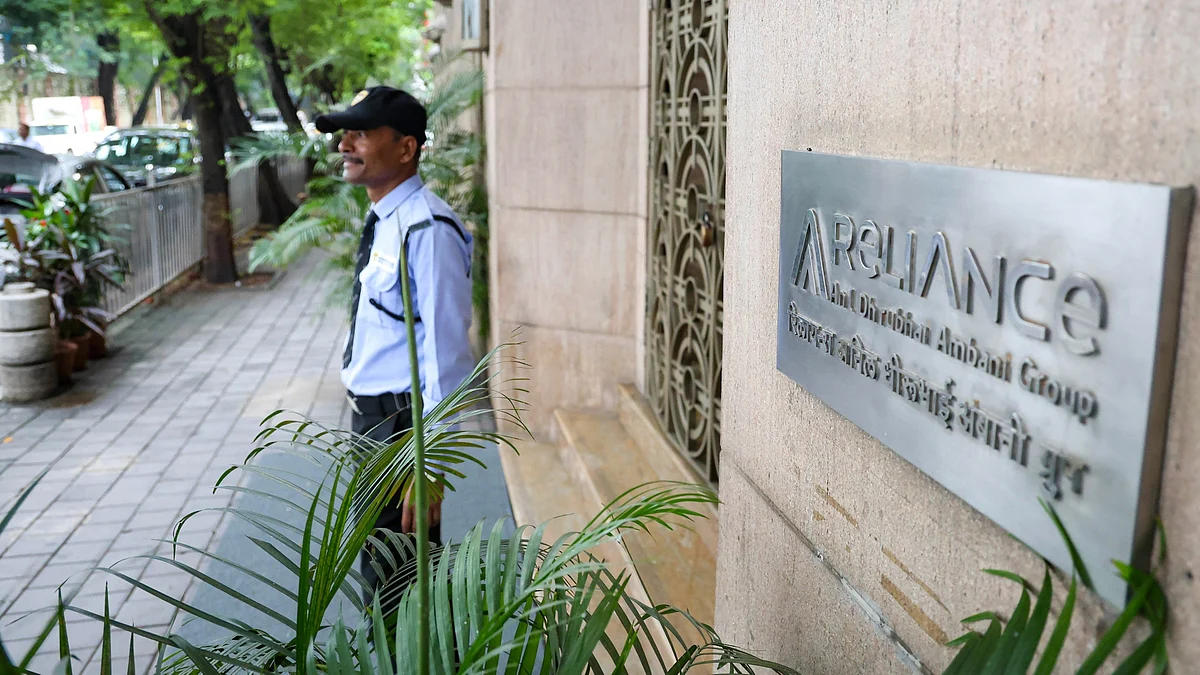


The Bombay High Court on Wednesday stayed all present and future actions by three public sector banks seeking to declare the accounts of industrialist Anil Ambani and Reliance Communications Ltd (RCom) as “fraud”, holding that the process violated mandatory directions issued by the Reserve Bank of India (RBI).
Justice Milind Jadhav observed that the banks’ action was based on a forensic audit report prepared by BDO LLP, which could not be relied upon as it was not signed by a duly qualified chartered accountant (CA), as required under the RBI’s 2024 Master Directions on fraud.
Granting interim relief, the court said that denying protection to Ambani and RCom at this stage would result in “grave and irreparable harm and loss”. Emphasising principles of natural justice, the court noted that “justice should not only be done but must also be seen to be done”, and ruled that a forensic audit prepared by an external auditor in violation of RBI norms cannot form the basis of show-cause notices.
The court underscored that the RBI’s Master Directions are mandatory and operate within a binding statutory framework, requiring banks to strictly comply with the law while appointing auditors. It further noted that allowing the banks to declare the accounts as fraud would have drastic consequences, including blacklisting, denial of bank credit for years, initiation of criminal proceedings, severe reputational damage and infringement of the fundamental right to financial access, amounting to “civil death”.
The High Court also criticised the banks for their delayed action, calling it a “classic case” of lenders waking up from “deep slumber”. It pointed out that the forensic audit related to transactions between 2013 and 2017, but was initiated only in 2019.
Ambani had challenged show-cause notices issued by Indian Overseas Bank, IDBI Bank and Bank of Baroda, arguing that BDO LLP was an accounting consultancy firm and not an audit firm, and that its signatory was not a CA. He also contended that BDO’s previous consultancy work for the lender banks created a conflict of interest.
The banks countered that under the 2016 RBI Master Directions, an external auditor need not necessarily be a CA and alleged that Ambani’s challenge was belated and mala fide. However, the court held that as per RBI norms, only a chartered accountant is eligible for appointment as an auditor, and the alleged conflict of interest further undermined the credibility of the audit.
Join our official telegram channel (@nationalherald) and stay updated with the latest headlines