


Vande Mataram: SC declines plea against MHA circular, says not mandatory
Top court calls petition “premature”; says no penal consequences for not singing national song
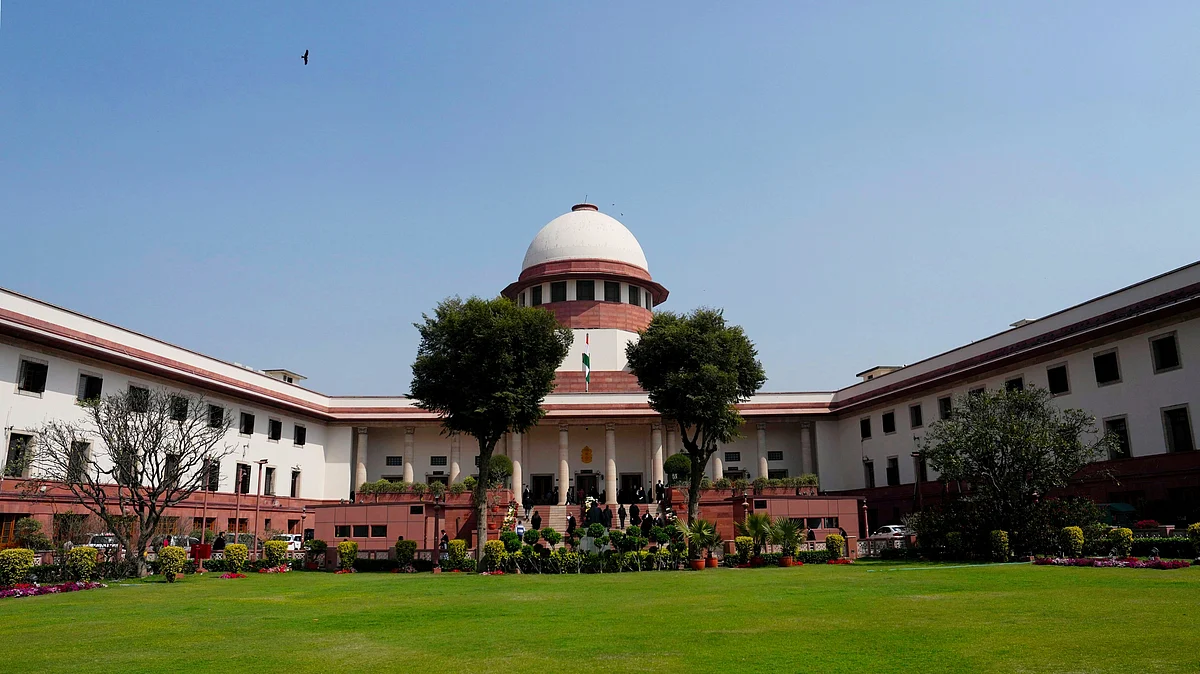


The Supreme Court on Wednesday refused to entertain a plea challenging a recent circular issued by the Ministry of Home Affairs (MHA) on the singing of Vande Mataram, observing that the directive is advisory in nature and not mandatory.
A bench headed by Chief Justice Surya Kant, along with Justices Joymalya Bagchi and Vipul M Pancholi, said the petition was based on “premature apprehensions” and lacked any immediate cause of action.
The bench noted that the circular does not impose any penalty or adverse consequence for not singing the national song.
“The word ‘may’ is used in the circular. There are no penal consequences,” the CJI observed, indicating that the directive is merely advisory.
Justice Bagchi told the petitioner’s counsel that the concerns raised about possible discrimination were “vague” and not directly linked to the circular.
The court clarified that the circular outlines a protocol to be followed when Vande Mataram is played, similar to existing guidelines for the national flag or anthem, but does not mandate participation.
Petition challenged MHA protocol
The plea was filed by Muhammed Sayeed Noori, challenging a January circular issued by the Ministry of Home Affairs regarding the protocol for singing all stanzas of Vande Mataram at official events and educational institutions.
Senior advocate Sanjay Hegde, appearing for the petitioner, argued that even without explicit penalties, such advisories could lead to indirect compulsion and social pressure on individuals to conform.
He contended that those refusing to sing the song could face discrimination or be singled out.
Centre defends circular
Solicitor General Tushar Mehta, appearing in court in another matter, defended the circular and questioned the need to challenge such a directive.
He referred to Article 51A(a) of the Constitution, which lays down the fundamental duty of citizens to respect national symbols such as the Constitution, the national flag and the national anthem.
Hegde, however, countered that Vande Mataram is not explicitly mentioned in Article 51A and argued that constitutional protections must extend to individual conscience.
The bench said the petitioner was free to approach the court again if any coercive action or discrimination arises from the circular.
“If there are any penal consequences, you come to us,” the CJI said.
The court also indicated that it would examine the issue if the advisory were made mandatory or enforced in a coercive manner.
Larger debate on patriotism
During the hearing, Hegde cited past judicial observations that patriotism cannot be compelled, including in the context of playing the national anthem in cinema halls.
The bench, however, noted that such observations were contextual and said the present case did not involve any mandatory enforcement.
The ruling effectively upholds the MHA circular for now, while keeping open the possibility of judicial review if its implementation leads to coercion or discrimination.
Join our official telegram channel (@nationalherald) and stay updated with the latest headlines