


SC quashes FIRs against CJP protesters; Dipke hails verdict as ‘absolute justice’
SC closes FIRs against CJP protesters, orders NEET suicide compensation; founder calls verdict ‘absolute justice’
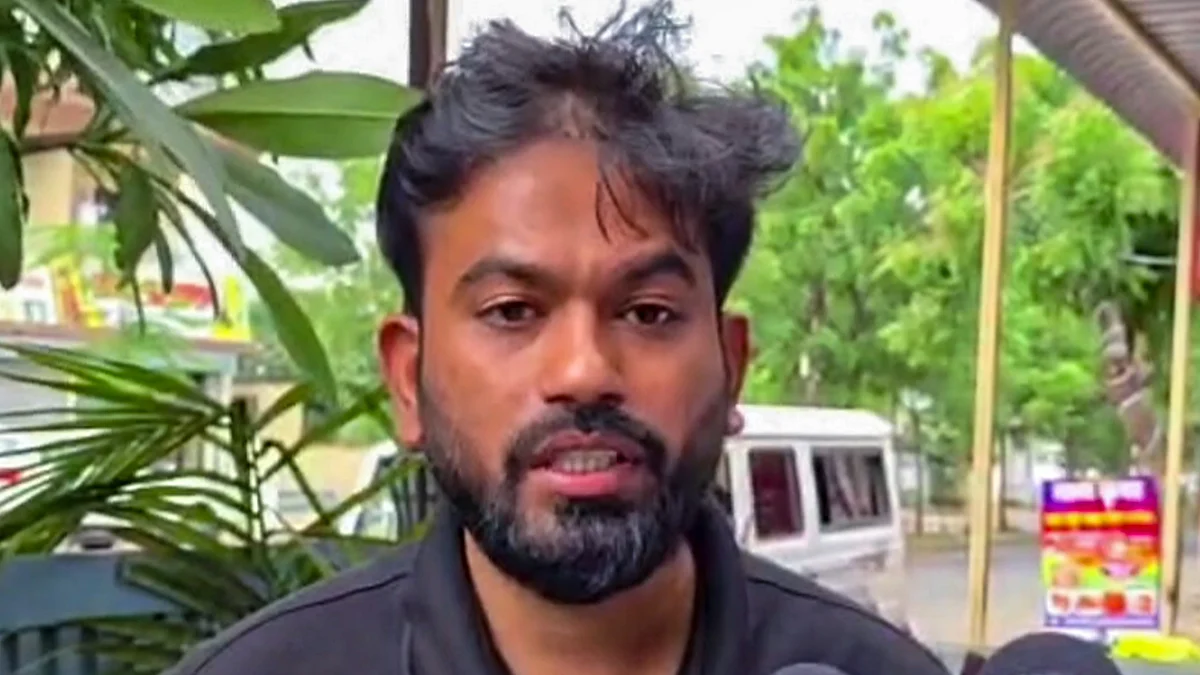


The Supreme Court on Tuesday quashed all FIRs registered against students who participated in the Cockroach Janta Party-led protests between July 20 and 25 and directed the Centre to formulate a nationwide policy for compensating families of students who died by suicide over the NEET paper leak, prompting CJP founder Abhijeet Dipke to hail the decision as “absolute justice” and the group to withdraw its September 5 march in Delhi.
A bench headed by Chief Justice of India Surya Kant invoked its powers under Article 142 of the Constitution to close the criminal proceedings against the protesters, while allowing Delhi Police to register fresh FIRs against 2,873 individuals with serious criminal antecedents who were present at the Jantar Mantar protest.
“Keeping in view the future prospects of the young protesters, we invoke our powers under Article 142 of the Constitution to do complete justice,” the bench said.
The bench, also comprising Justices Joymalya Bagchi and V Mohana, said any fresh FIR against the 2,873 individuals must be strictly confined to allegations involving bodily harm and destruction of property.
It also clarified that if any other FIR related to the same protests between July 20 and 25 had been registered in any state or Union Territory but was not before the court, it too would not be pursued and would be treated as closed.
The court's order came after Solicitor General Tushar Mehta told the bench that the Centre and the governments of Maharashtra, Assam, Bihar and West Bengal had sought quashing of the FIRs.
On compensation, the court directed the Centre to formulate a pan-India policy and circulate it to state governments and implementing authorities. It said compensation for families of students who died by suicide in connection with NEET 2026 should be paid after the policy was formulated, with the process to be completed within three months.
CJP co-convener Saurav Das, who appeared before the bench, said the group would withdraw its proposed September 5 march in Delhi in view of the government's assurances and the Supreme Court's order.
“As co-convener of the CJP, I want to state that in view of the positive assurances of the Government of India and the judicial sanctity bestowed upon them today, and in view of the order being passed by this court, the CJP deems it appropriate to withdraw the call for the march on September 5 and looks forward to compliance with today's order,” Das said.
The court recorded the statements of the solicitor general and Das and said its extraordinary powers had been invoked in view of the peculiar facts and circumstances of the case. It also said the order was subject to both sides abiding by the understanding reached before the court.
Mehta told the bench that the Centre was committed to the assurances given to the CJP that police in Delhi and other states would not pursue the FIRs registered in connection with the protests. He also reiterated the government's commitment to compensation for the affected families, while seeking time to work out the modalities.
Reacting to the verdict in Chhatrapati Sambhajinagar, Dipke welcomed the court's decision and said the demands raised by the protesters had been met.
“Our demands have been met. This is absolute justice. It took us a month (for this),” he told reporters.
Dipke thanked the Supreme Court and said justice had been delivered to those who protested at Jantar Mantar as well as the families of students who died by suicide following the NEET paper leak.
“I apologise to the families that we could not save your kids. We are very sorry that you lost your kids,” he said, blaming the government for what he described as a failure that led to the students' deaths.
Dipke said the government's acceptance of compensation was not enough and called for safeguards to ensure that no student loses their life because of examination irregularities.
“The government has accepted the demands but it has to take the responsibility that not a single student dies due to paper leak,” he said.
The CJP had called the September 5 march in Delhi after accusing the Centre of failing to honour assurances made on July 25 that had led to the withdrawal of its 36-day agitation against irregularities in examinations and the NEET paper leak.
The Supreme Court had agreed to hear a Delhi Police plea seeking closure of 13 FIRs against students who participated in the protests and permission to register a fresh case against 2,873 individuals.
According to the police application, the 2,873 individuals had serious criminal antecedents as per the National Crime Records Bureau database and were prima facie reported to have been present at the protest site. The application said investigation was required to establish their role, if any, in offences involving bodily harm or destruction of property.
The top court had earlier constituted a high-powered committee to examine issues and allegations, including police excesses against students, arising from the nationwide protests over NEET-UG paper leaks.
The CJP-led march on July 20 in Delhi had witnessed clashes between protesters and security personnel, who used lathis and teargas shells to disperse crowds attempting to move towards Parliament.
The student-led protests, which spread to several cities, began at Jantar Mantar on June 20 and were centred around demands including the resignation of the then Union Education Minister Dharmendra Pradhan. The agitation was called off on July 25 after Pradhan resigned and the government accepted the CJP's other demands.
Join our official telegram channel (@nationalherald) and stay updated with the latest headlines