


How will news be reported, ask publishers as SC hears petition challenging data protection law
Digital News Publishers Association argues that DPDP Act and Rules could impede investigative journalism, compromise confidential sources and restrict access
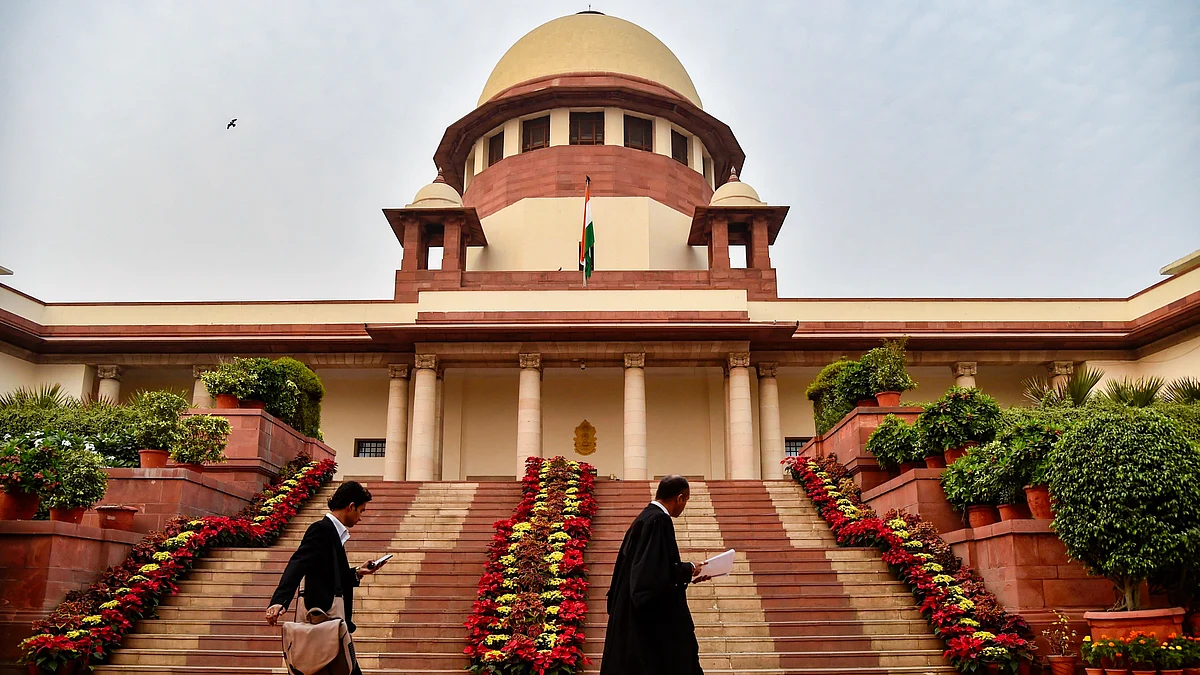


The Supreme Court on Tuesday, 27 October, sought the Centre’s response to a petition challenging provisions of the Digital Personal Data Protection (DPDP) Act and its accompanying Rules on the grounds that they allegedly infringe press freedom and the right to information.
A bench comprising Chief Justice of India Surya Kant and Justices Joymalya Bagchi and V Mohana issued notice after hearing senior advocate Madhavi Divan, appearing for the Digital News Publishers Association (DNPA).
The matter has been listed for further hearing on 17 November, along with other pending cases.
The DNPA has sought the striking down of several provisions of the law and its Rules, arguing that the absence of an exemption for journalistic activities could impede news reporting, undermine investigative journalism and compromise the confidentiality of sources.
During the hearing, Divan described the petition as possibly the first comprehensive challenge by what she called “legacy media”, distinguishing traditional news organisations from citizen journalists.
She urged the bench to issue notice on the association’s application seeking an interim stay on the challenged provisions.
Divan argued that the law’s consent requirements could make routine news gathering and reporting unworkable, particularly when journalists investigate matters involving people who may not consent to the use of their personal data.
“If I am left to the mercy of the data principal as to whether he or she will give consent, how will news be reported?” she asked.
She also warned of the implications for television journalism and time-sensitive reporting, arguing that the provisions could effectively shut down newsrooms.
The association has separately challenged the amendment to Section 8(1)(j) of the Right to Information (RTI) Act. It contends that the change restricts access to information relating to public officials and alters the scope of information available for public scrutiny.
“Section 8(1)(j), the deletion, is changing the whole concept of news,” Divan submitted.
The petition has also raised concerns over the Centre’s powers under the DPDP Act to requisition information, arguing that these could have far-reaching consequences for news organisations and their ability to report on matters of public interest.