


Sharp political rhetoric, high-pitched campaigning ends in West Bengal, Tamil Nadu
SIR shadow over West Bengal as identity, campaign battles reflect deeper political divides; polarised narratives and competing promises set the stage for April 23 polling
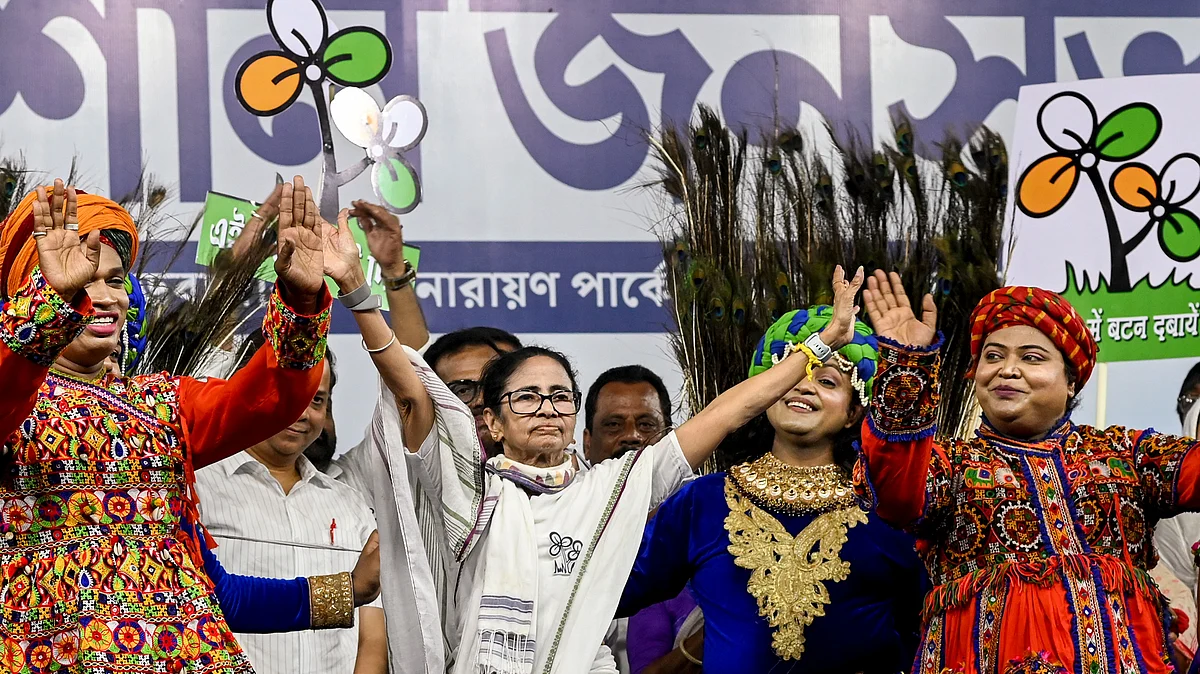


Campaigning for the upcoming Assembly elections in West Bengal and Tamil Nadu ended on Tuesday, 21 April, capping weeks of high-decibel political outreach as both states gear up for voting on April 23 amid tight security and intense political contestation.
First phase in West Bengal
In West Bengal, the first phase will cover 152 constituencies across north Bengal and parts of southern districts, with nearly 3.60 crore voters eligible to cast their ballots, according to the Election Commission of India. The electorate includes 1.84 crore men, 1.75 crore women and 465 third-gender voters.
The campaign in the state saw sharp exchanges between the Bharatiya Janata Party (BJP) and the All India Trinamool Congress (TMC), with issues such as infiltration, political violence, food habits and Uniform Civil Code. The deletion of lakhs of voters during the Special Intensive Rolls (SIR) of electoral rolls was a contentious issue and dominated the campaign.
Campaigning for BJP candidates, Prime Minister Narendra Modi and Union Home Minister Amit Shah alleged that the state has witnessed “political violence, lawlessness and widespread corruption,” accusing the ruling party of encouraging infiltration for vote bank politics.
At his final rally, Shah predicted a change in leadership on May 4. “Her time at the helm of the state has come to an end,” he said, referring to Chief Minister Mamata Banerjee. Urging voters to turn out without fear, he added, “No one can threaten our voters. The Election Commission has deployed central forces in sufficient numbers who are spread at every nook and corner of the state.”
Around 2,450 companies of central paramilitary forces—nearly 2.5 lakh personnel—have been deployed, with over 8,000 polling stations identified as highly sensitive.
The TMC, however, hit back strongly. Party leader Abhishek Banerjee accused the BJP of failing to deliver on past promises. “Those who could not deliver on basic promises cannot be trusted to provide welfare benefits,” he said, also challenging BJP-ruled states to replicate Bengal’s welfare schemes.
Chief Minister Mamata Banerjee expressed confidence of returning to power for a fourth term. “The BJP will not win the elections in West Bengal this time. The Trinamool Congress will again form the government,” she asserted, adding, “We will also throw out the BJP from Delhi in 2026 itself.”
The TMC is seeking to retain power, while the BJP is aiming to unseat it in a fiercely contested election. Key candidates in this phase include Suvendu Adhikari (BJP), Nisith Pramanik (BJP), Udayan Guha (TMC), Goutam Deb (TMC) and Adhir Ranjan Chowdhury (Congress).
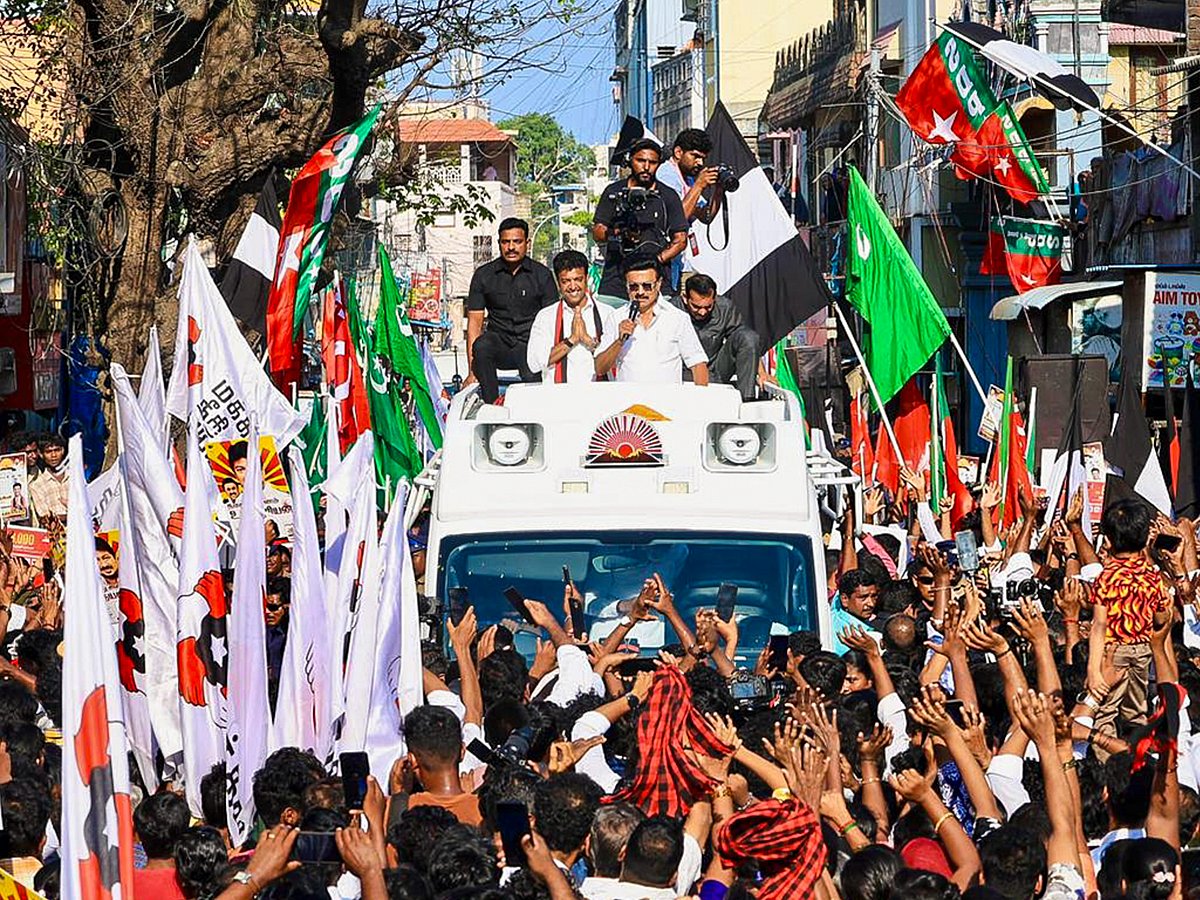
Two-way fight in T.N.
Meanwhile, in Tamil Nadu, campaigning for all 234 Assembly constituencies concluded at 6 p.m. marking the start of the mandatory 48-hour “silent period,” during which political activity is restricted.
The battle in the state is primarily between the DMK-led Secular Progressive Alliance and the AIADMK-led National Democratic Alliance. Chief Minister M.K. Stalin, who is contesting from Kolathur, ended his campaign by interacting with voters and later said he would be a “danger” to those who “betray Tamil Nadu and want to hinder its growth.”
Delimitation emerged as a key issue during the campaign. Stalin criticised the Centre’s approach, alleging it would “punish” well-performing states like Tamil Nadu.
AIADMK general secretary Edappadi K. Palaniswami called on voters to oust the “corrupt DMK regime” and end “family rule” in the state.
Senior leaders including Narendra Modi, Amit Shah, Leader of Opposition Rahul Gandhi, Andhra Pradesh Chief Minister N. Chandrababu Naidu, Maharashtra Chief Minister Devendra Fadnavis, and others crisscrossed the state campaigning for their respective alliances.
Adding a new dimension to the contest is actor Vijay’s Tamilaga Vettri Kazhagam, contesting all 234 seats, making it a multi-cornered fight alongside parties like the Naam Tamilar Katchi.
A total of 4,023 candidates are in the fray in Tamil Nadu, with over 5.73 crore voters expected to participate.
With campaigning now over in both states, attention turns to polling day, where high voter turnout and tight security arrangements will be crucial in determining the outcome of these politically significant contests.
(With agency inputs)
Join our official telegram channel (@nationalherald) and stay updated with the latest headlines