


SIR in West Bengal: nearly 91 lakh names deleted after judicial scrutiny
Most deletions in Muslim-majority districts and areas housing vulnerable refugee communities; deliberate attempt to dilute voter bases, alleges Mamata
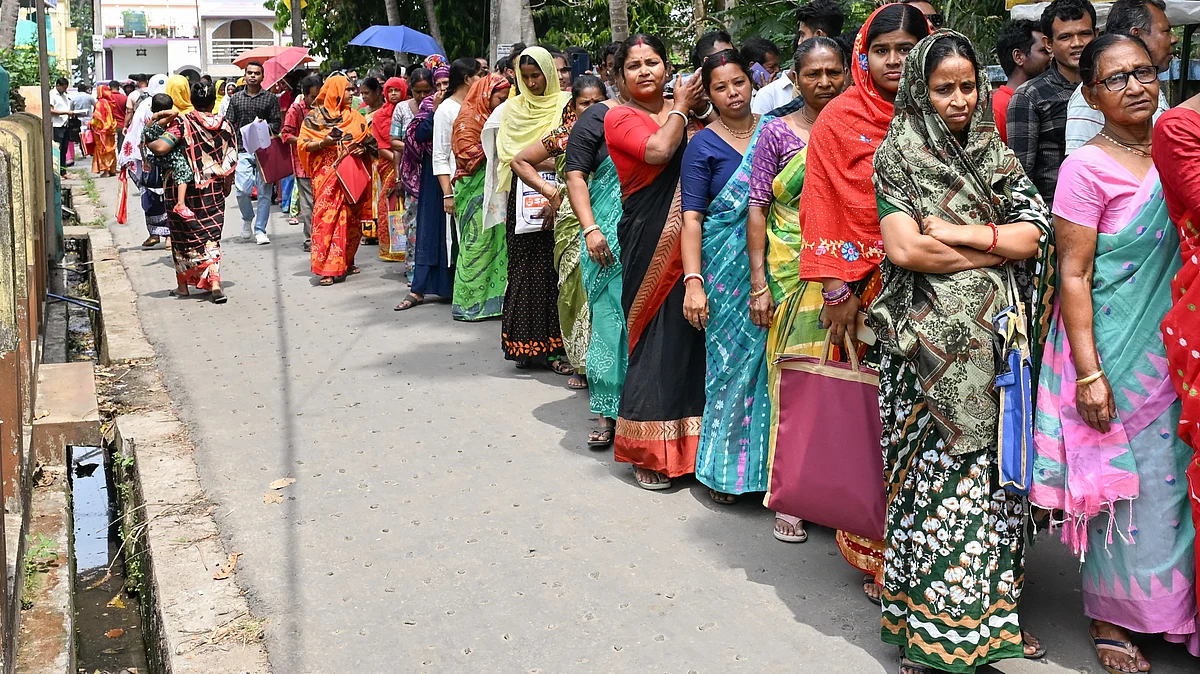


Nearly 91 lakh voters' names have been deleted from the electoral rolls in West Bengal following the completion of the SIR exercise in the state, according to the Election Commission figures, sharpening an already polarised campaign, and turning the SIR from a bureaucratic exercise into the defining political flashpoint ahead of the first phase of assembly polls on April 23.
According to Election Commission (EC) data, this massive deletion—over 11.85 per cent of the original voter base—raises serious questions about disenfranchisement, particularly of minorities and marginalised communities.
West Bengal’s electorate stood at 7.66 crore in October 2025. However, post-SIR scrutiny revealed that of 60.06 lakh voters ‘under adjudication’, 27.16 lakh were removed. This 45.22 per cent deletion rate among the under-review category points to a harsh, arguably indiscriminate roll-cleanup.
The deletions have been strikingly concentrated in Muslim-majority districts and areas housing vulnerable refugee communities. Murshidabad saw 4.55 lakh names excised from 11 lakh under scrutiny, a 41.33 per cent removal rate. North 24 Parganas and Malda saw similarly aggressive purges—3.25 lakh and 2.39 lakh former voters, respectively. In Nadia and North 24 Parganas—strongholds of the Matua refugee community—deletion rates were a staggering 77.86 per cent and 55.08 per cent. Even Cooch Behar, home to the Rajbanshi Scheduled Caste community, lost more than half of its under-scrutiny voters.
These figures expose a troubling pattern. Chief Minister Mamata Banerjee has outright accused the EC and ruling BJP of “targeted deletions of Matua, Rajbanshi, and minority community members,” describing the exclusions as a deliberate attempt to dilute these voter bases.
The EC is yet to officially announce the finally altered voter base for the state after the roll revision process.
Speaking at a rally in Nadia, she charged, “Why this discrimination? You are excluding Matuas, Rajbanshis and minorities. People understand this.”
Banerjee further claimed her Supreme Court intervention helped restore about 32 lakh names out of the 60 lakh cases undergoing adjudication—a glimpse into the scale of contested removals. Describing the elections as a “fight to save your democracy, language and respect,” she framed these roll purges as a direct threat to minority identities.
BJP leader Suvendu Adhikari dismissed these concerns, asserting “a significant portion of names deleted are voters who are dead,” accusing Banerjee of wanting “dead voters to vote.” He said SIR is a “tried and tested roll clean-up” and insists Bengal will “not offer shelter to Bangladeshi Muslims.” The rhetoric underscores the communal undertones energising the electoral battle, and the disquieting trend of conflating legitimate electoral management with exclusionary, identity-based politics.
Congress chief Mallikarjun Kharge echoed concerns of voter suppression, alleging, “BJP deletes legitimate voters from electoral rolls as a means to stay in power” nationwide.
While judicial tribunals provide an avenue for deleted voters to appeal, uncertainty remains on whether reinstated electors will be permitted to vote amid the fast-approaching polls.
This electoral roll purge—far from being a mere bureaucratic exercise—has become a glaring example of how administrative powers can be weaponised in India’s fractious politics. The massive and disproportionate deletions disproportionately targeting minorities and marginalised groups risk undermining the very foundations of democracy, disenfranchising voters on the eve of a pivotal election.
(With agency inputs)
Join our official telegram channel (@nationalherald) and stay updated with the latest headlines