


Why SIR in Bengal stands apart: Chaos unlike other states
Nearly 40 per cent of adjudicated names missing from supplementary lists, raising disenfranchisement fears ahead of April polls
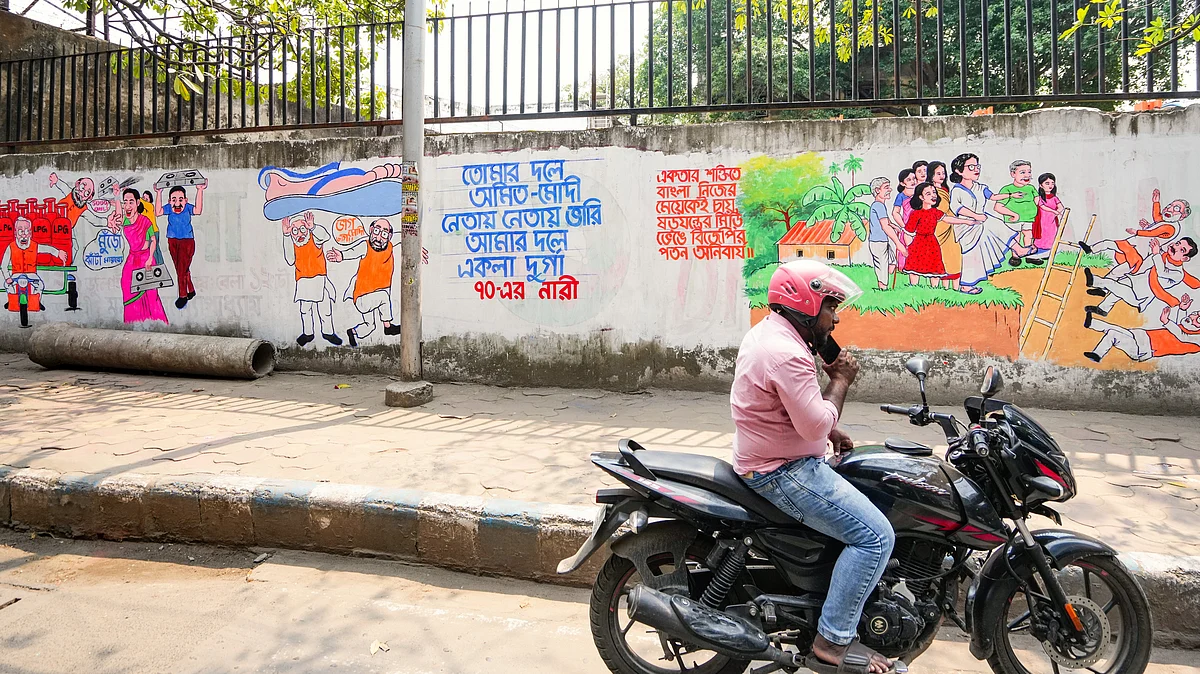


The Special Intensive Revision (SIR) of electoral rolls in West Bengal has descended into confusion, triggering allegations of wrongful deletions, technical failures and mounting legal challenges just weeks before the state Assembly elections scheduled for late April.
What was apparently intended by the Election Commission of India (ECI) as an exercise to 'clean up' outdated voter records has instead generated widespread anxiety and suspicion among voters, with lakhs fearing exclusion from the rolls, and many more lakhs already excluded.
What went wrong in West Bengal, given that the SIR has been conducted in other states as well? The SIR exercise began in November 2025 with the stated aim of correcting legacy issues in voter lists derived from the 2002 baseline electoral rolls. Booth-level officers (BLOs) were tasked with conducting door-to-door verification to confirm details such as names, age, address and family linkages. However, the process soon ran into difficulties as the ERONET software system flagged large numbers of entries as 'logically inconsistent'.
Officials say the software struggled to reconcile variations in transliteration between Bengali and English spellings — for instance, differences such as 'Mohammed' and 'Muhammad', or 'Mondal' and 'Mandal'. In many cases, poor-quality scans of older electoral rolls also hindered efforts to digitally match family records.
As a result, around 1.36 crore entries were flagged for discrepancies, far exceeding initial projections. The first phase alone identified more than 1.16 crore cases involving suspected duplication, deceased voters or individuals who had relocated.
The fallout has been significant. According to available data, more than 76 lakh names have been deleted so far, including around 63 lakh from earlier rolls and roughly 13 lakh from more recent adjudications.
Of the 32 lakh cases that have been adjudicated, nearly 40 per cent — approximately 13 lakh names — did not appear in the first supplementary list released on 23 March. Concerns have been raised that a large number of those affected belong to economically vulnerable groups, including migrant workers, women in informal employment and members of the Matua community, many of whom may lack documentary records dating back to 2002.
The issue has triggered political confrontation in the state. Chief minister Mamata Banerjee has questioned the uniformity of the exercise, writing to Chief Election Commissioner Gyanesh Kumar in January seeking clarification on why the SIR process in West Bengal appeared different from other states. She alleged that the revision could disproportionately affect minorities and economically marginalised voters, warning that as many as 1.2 crore names could potentially be at risk if errors are not corrected.
Concerns over transparency were further fuelled by the timing of the supplementary roll publication, which was released shortly after midnight on 23 March. Political parties complained that booth-level access to updated lists was limited, making verification difficult. Several voters also reported difficulty accessing their updated status online.
Technical problems compounded the uncertainty. Officials acknowledged that newly introduced software filters generated large numbers of discrepancy flags without adequate review protocols. BLOs and electoral registration officers (EROs) faced difficulties resolving cases where digital records did not match physical documentation. On 24 March, a technical malfunction reportedly led to many voters in West Bengal briefly being shown as “under adjudication” on the portal, triggering panic before the error was rectified.
The scale of pending cases has also drawn judicial scrutiny. On 19 February, the Supreme Court directed the Calcutta High Court to facilitate the appointment of more than 700 judicial officers to help expedite hearings related to SIR disputes, including officers from neighbouring states such as Jharkhand and Odisha. The court noted that similar revision exercises had been conducted in states including Gujarat, Tamil Nadu and Uttar Pradesh, but expressed concern about delays in West Bengal.
As of late March, a substantial number of cases remain unresolved, while appellate tribunals are yet to begin hearing appeals in many instances. The absence of a clearly defined deadline has added to uncertainty as polling dates of 23 and 29 April draw closer.
Petitioners have complained of prolonged adjudication timelines despite submitting supporting documents. Concerns have also been raised that confusion over verification status could discourage voter participation, particularly among communities already facing documentation barriers.
The revision process has also sharpened political divisions. The ruling Trinamool Congress has alleged that the scale of deletions risks disenfranchising legitimate voters, while the BJP has welcomed the exercise as a necessary step to remove duplicate or ineligible entries from the rolls.
With millions of records still under review and legal proceedings ongoing, the SIR exercise has become a test of administrative capacity as well as institutional credibility. The credibility of the electoral roll remains central to public confidence in the democratic process, particularly in a politically polarised state preparing for closely contested elections.
Unless discrepancies are resolved quickly and transparently, the controversy surrounding the revision risks overshadowing the electoral process itself. Ensuring accuracy without excluding eligible voters remains the central challenge facing the ECI as the state moves toward polling day.
Join our official telegram channel (@nationalherald) and stay updated with the latest headlines