


Study sheds light on why some smokers develop cancer while others do not
Cambridge-led research finds inherited genes influence how the body responds to DNA damage caused by smoking, UV exposure and other environmental factors
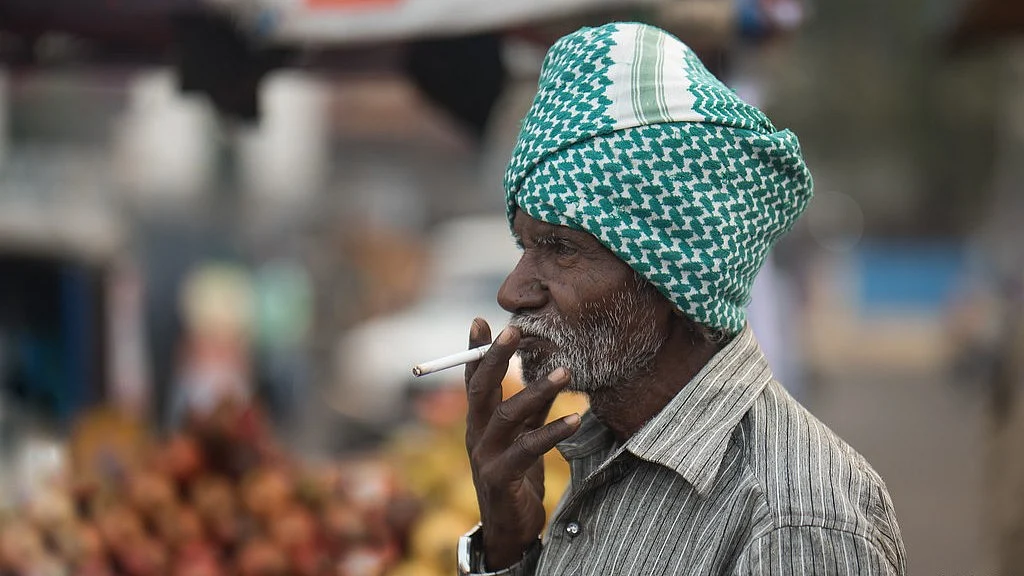


A new study has found that inherited genetic differences play a key role in determining why some people develop cancer after exposure to risk factors such as cigarette smoke or ultraviolet (UV) radiation, while others do not.
The research, led by scientists at the University of Cambridge in collaboration with the University of Edinburgh and other institutions across Europe and the United States, was published in the journal Nature on July 27.
Researchers found that an individual's genetic background influences how cells respond to DNA damage, how mutations accumulate and the biological pathways through which tumours develop.
Cancer develops when DNA accumulates mutations that allow damaged cells to grow uncontrollably instead of dying naturally. While environmental factors such as smoking and sunlight increase DNA damage, inherited genetic variations determine how effectively the body repairs that damage and how many mutations ultimately accumulate.
To isolate the role of genetics, researchers studied nearly 600 tumours in mice with different inherited genetic backgrounds but exposed to controlled conditions. Although the tumours generally followed similar patterns of development, the specific mutations and evolutionary pathways differed depending on the animals' genetic makeup.
"We've been able to show for the first time the extent to which genetic background influences both the mutation processes and the pathways leading to tumour development," said Professor Duncan Odom, one of the study's lead researchers.
The researchers said the findings suggest cancer does not develop purely by chance, even when people are exposed to the same environmental risks.
However, they cautioned that the results were obtained in mice and further studies are needed to determine whether the same mechanisms operate in humans.
The findings could eventually help shape more personalised approaches to cancer prevention, screening and treatment by accounting for inherited genetic differences.
The researchers said future studies in humans will be needed before the findings can be translated into clinical practice, but the work provides fresh insight into why identical exposures, such as cigarette smoking, do not result in the same cancer risk for everyone.
Join our official telegram channel (@nationalherald) and stay updated with the latest headlines