


Uttar Pradesh: Smoking out non-Lakhnawis in Lucknow
“I’m from Barpeta in Assam. How can they call me a Bangladeshi?” But then, when was the crackdown about reason, asks Asad Rizvi
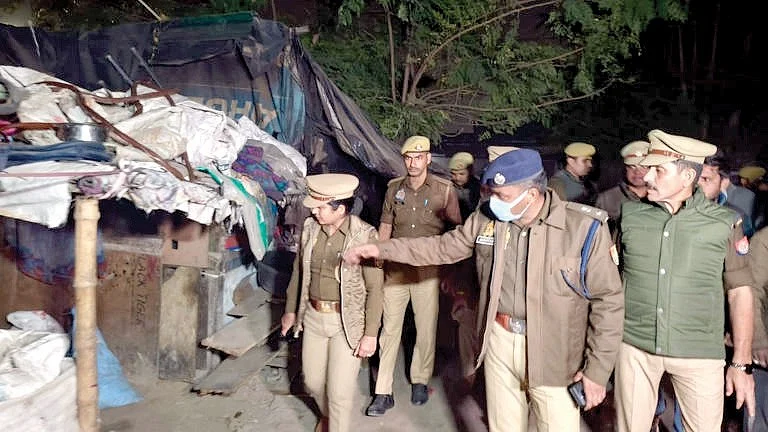


They readily show their ‘NRC certificates’ to prove they are Indian citizens. They hold Aadhaar cards. Many carry their Elector’s Photo Identity Cards as proof of being registered voters. The catch? They are Assamese who have been living and working in Lucknow for decades. They have no proof of being ‘Lakhnawi’. And so, Lucknow mayor Sushma Kharkwal declared them ‘illegal immigrants’ and issued an ultimatum — leave Lucknow in 15 days.
Ironically, these so-called illegals are employed by contractors working for the Lucknow Municipal Corporation (LMC). They wear jackets that identify them as municipal workers. Their documents are easily verifiable: EPIC details are on the ECI website and Aadhaar biometric data can be accessed in minutes.
But why bother when the aim is to keep media abuzz with the threat posed by infiltrators to the heart of the Hindi heartland, the capital of Uttar Pradesh, no less. ‘Lucknow khatre mein hai, ghuspaithiyon se saavdhaan (Lucknow is in danger, beware of infiltrators)’ — that’s the message the BJP and the mayor sent out through their 4 December raid.
It came soon after chief minister Yogi Adityanath directed divisional commissioners to set up detention centres across the state to hold ‘infiltrators’ before ‘deportation’. Rounding up alleged infiltrators burnishes his image as the rough-and-tough administrator, not to mention being far more dramatic than verifying documents.
Yogi is so enamoured of the idea of detention centres that he even wrote an open letter that was widely circulated by the state’s PR machinery. The letter even cites CJI Surya Kant: ‘The Supreme Court has made an extremely important remark that a red carpet cannot be laid out for infiltrators.’
Yogi continues: ‘The security of Uttar Pradesh, social balance, and strong law and order are our highest priorities. Strict and decisive action has begun against Rohingya and Bangladeshi infiltrators illegally residing in the state.’
In effect, Adityanath’s letter officially sanctioned municipal bodies to round up ‘Rohingya and Bangladeshi infiltrators’ with a little help from citizens (read: vigilante groups).
The ‘major operation’ on 4 December was probably just the beginning. An LMC team led by Kharkwal swooped down on Shankarpurwa Pratham, in Bahadurpur ward, which falls under Gudamba police station. “When asked for ID cards, most could not produce any valid documents,” alleged Kharkwal. She confiscated 25 handcarts and two Tata Magic vehicles and ordered officials to disconnect “all illegal electricity connections” in the area.
Declaring that the settlement could not be allowed to exist, she stated: “Living in Lucknow without valid documents is not acceptable. We will not tolerate any threat to the city’s security and law and order. Our campaign to keep Lucknow safe, clean and organised will go on.”
The sudden confiscations and public accusations have left the residents reeling with shock. “We are neither Bangladeshi nor Rohingya. We are Indians, not infiltrators,” they told this correspondent. “We are poor people; we came from Assam to earn our livelihood here.”
Taijuddin Ali from Goalpara said authorities neither listened to them nor verified their documents before ordering them to vacate.
The affected families — mostly sanitation workers and ragpickers — earn Rs 8,000 per month and pay Rs 1,000 per month as rent. Many produced Aadhaar cards, voter IDs, labour department documents and even NRC papers issued in Barpeta and Goalpara district of Assam.
Hakim Ali has lived in the settlement for 20 years. He says, “I have multiple government-issued documents. Still, they are calling me a foreign infiltrator.”
“The police accompanying the mayor broke open our locks and took away our handcarts, which we need to earn our daily bread,” said Intiaj Ali, who has been in Lucknow for 18 years. “How can they call me a Bangladeshi? I am from Barpeta in Assam.”
Last we checked, Assam was in India.
“Assamese people have every right to live anywhere in the country,” said Congress national secretary Shahnawaz Alam at a press briefing, flanked by residents from the Gudamba settlement. “The mayor must apologise to the Assamese community living in Lucknow.”
Such a crackdown could inflame ethnic tensions and even trigger a backlash against Hindi-speaking people in Assam, Alam added.
Lucknow-based lawyer Manish Kumar Jaiswal says the mayor overstepped her authority: “She has no right to tell tenants on private land to move out, nor can she order their power supply to be cut off. Identifying foreigners is the job of the police and Central agencies. Confiscating property merely on suspicion is illegal. Procedures under the Foreigners Act must be followed.”
Political analyst Utkarsh Sinha says the government’s communal bias is revealed through their language: “Hindu and minority migrants are called ‘refugees’ even if they are illegal, but Muslim migrants from other states are labelled ‘infiltrators’.”
Join our official telegram channel (@nationalherald) and stay updated with the latest headlines