


Supreme Court sets Sunday hearing on contempt plea over Delhi transport shutdown
Petition alleges authorities defied 9 October directions against blanket transit restrictions during protests demanding CEC Gyanesh Kumar’s resignation
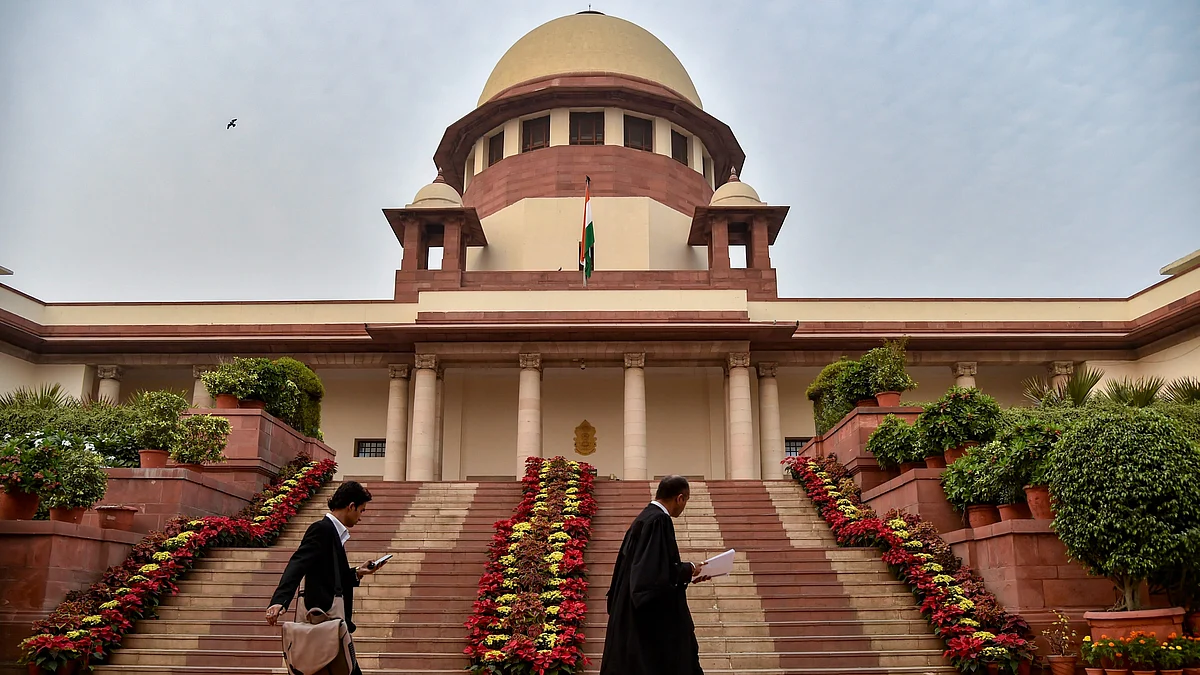


The Supreme Court has scheduled a special Sunday hearing on a contempt petition over transport restrictions imposed in Delhi during protests against CEC Gyanesh Kumar.
Advocate Shailendra Mani Tripathi alleges the shutdown violated the court’s October 9 directions against blanket restrictions that inconvenience commuters.
The petition seeks contempt proceedings against the Union Home Secretary, Delhi Police Commissioner and DMRC Chairperson.
The Supreme Court has scheduled a special hearing on Sunday, 11 October, on a contempt petition alleging that sweeping transport restrictions in Delhi violated its directions against blanket bans that cause hardship to ordinary commuters.
A Bench of Justices Joymalya Bagchi and V. Mohana will hear the matter. The Sunday sitting was listed in the court’s cause list released on Saturday evening.
The petition, filed by advocate Shailendra Mani Tripathi on Saturday morning, challenges restrictions imposed as protesters sought to gather in the capital to demand the resignation of Chief Election Commissioner Gyanesh Kumar.
Metro stations across large parts of Delhi remained closed, major roads were barricaded and trains bound for the capital were cancelled on 10 October, amid extensive security deployments and thousands of detentions.
Tripathi contends that these measures breached the Supreme Court’s 9 October order, which emphasised that authorities must avoid causing hardship to the public through blanket restrictions.
He has sought the initiation of contempt proceedings against Union Home Secretary Govind Mohan, Delhi Police Commissioner Anurag Kumar and Delhi Metro Rail Corporation Chairperson D. Thara for alleged wilful non-compliance.
According to the petition, authorities continued broad restrictions across transport corridors despite the court’s directions and assurances recorded during the earlier hearing. It also alleges that they failed to issue and adequately publicise clear traffic and transit advisories.
The petitioner argues that the measures disrupted daily life, stranded people undertaking essential journeys and undermined the court’s authority.
The plea states that the 9 October directions required transport authorities to adopt proportionate regulation rather than outright prohibition of Metro and essential railway movement. Any restrictions and accompanying advisories were to be promptly publicised through print and digital media to minimise inconvenience.
The Supreme Court had also sought compliance reports from the authorities within four days.
The dispute centres on whether the security arrangements complied with those directions. Sunday’s hearing will consider the petitioner’s allegations; the court has not yet determined whether the officials committed contempt.
Tripathi is also the lead petitioner in proceedings concerning police action against young demonstrators during the 20 July protests over the NEET-UG paper leak.
With agency inputs