


Unequal, even in prison
After the recent jailbreaks, K.A. Shaji asks if our prisons have separate rules for the rich and poor
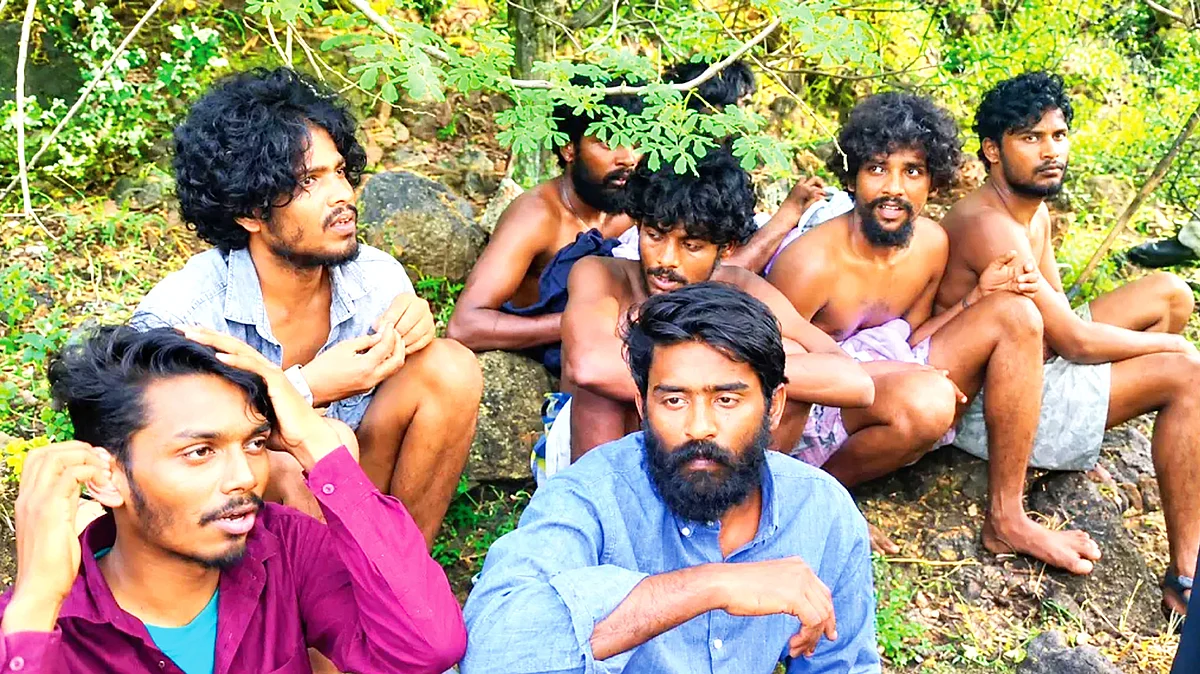


On 26 October, 17 undertrial prisoners escaped from Thekkampatti sub-jail in Tamil Nadu’s southern Theni district. Reports suggest the jailbreak was executed with alarming ease. One prisoner pretended to suffer an epileptic seizure and his cell mates cried for help. When a guard entered the cell, they overpowered him, attacked other prison personnel, seized the keys and walked out through the main gate.
All 17 were eventually caught after a two-day search involving police teams and drones. Nine jail staff were suspended. The director-general of prisons described the incident as a grave human error and breach of protocol.
“The state government is now claiming that it has begun remedial measures not just in Thekkampatti but in prisons across the state. But suspending warders does not answer vital questions. Why were 18 remand prisoners confined to a single cell? And why was the prison so poorly guarded? These questions must be answered to fix how the state’s correctional system is managed,” says Madurai-based legal expert and human rights activist Henry Tiphagne.
As per data sourced from the prisons department, Thekkampatti had an authorised capacity of 200 inmates: there were 334 on the night of the escape. Police reports confirm that only four guards were on duty, the watch tower was unmanned and the main gate was left unsecured.
“These were not sophisticated security failures requiring expensive technology to detect. They were basic administrative lapses that should never have occurred in a functioning prison,” says Tiphagne.
This wasn’t an isolated incident. On 22 October, two inmates escaped Chennai’s Puzhal prison, in two separate incidents within 24 hours. One undertrial exploited a ten-minute watch tower shift change and climbed a 23 ft wall using cables (the rain had disrupted the prison’s electrified fencing).
Another prisoner, assigned to the prison-run bazaar, mingled with customers and walked away. Seven personnel were suspended.
On 3 November, a remand prisoner escaped while being escorted through the two-gate entrance of Coimbatore prison; his handcuffs had just been removed. This despite heightened security following the Theni incident. The sequence exposes a disturbing inability to learn from one security failure to prevent another.
According to departmental figures cited in October, the state has 5,489 sanctioned personnel to manage 125 institutions. Nearly 10 per cent of the posts were vacant, with other reports placing the shortfall at 15 per cent. Prison personnel are also frequently diverted to duties unrelated to custody.
The consequences are predictable. A handful of guards cannot effectively monitor hundreds of inmates, maintain security, supervise movement and ensure humane treatment all at once. The problem is not simply the absence of personnel but an administrative structure that appears to have normalised inadequate staffing.
Overcrowding compounds the crisis. Figures placed before the Madras High Court showed that, on 2 September, Puzhal-II housed 3,493 prisoners against an authorised capacity of 2,000. Madurai Central Prison held 2,665 against a capacity of 1,612, Coimbatore housed 2,692 against 2,124, while Cuddalore had 1,046 against a capacity of 723.
These numbers represent more than a shortage of physical space. Overcrowding compromises sanitation, healthcare, mental health, legal assistance and protection for vulnerable prisoners. It also makes rehabilitation difficult. When overcrowded facilities force transfers to far-flung places, the distance between prisoners and their families increases.
The National Crime Records Bureau’s Prison Statistics India 2024 puts India’s prison population at 5,09,012 against an authorised capacity of 4,53,769. A substantial number of these are undertrials.
“This is perhaps the most disturbing feature of India’s prison crisis. An undertrial is legally presumed innocent. Yet thousands remain behind bars, sometimes for periods longer than the punishment they might receive if convicted. Poverty, inability to arrange bail, inadequate legal representation and delays in judicial proceedings can turn pretrial detention into punishment without a verdict,” says Vincent Raj Arokiasamy, human rights activist, writer and founder-director of Evidence, a collective that works for fair trials and prison reforms.
“Tamil Nadu has performed better than several states on certain prison indicators, according to the India Justice Report 2025. That, however, does not diminish the need to address overcrowding in individual institutions or the systemic failures that prolong incarceration. Building additional cells cannot be the only response. Faster trials, effective legal aid, regular undertrial review committee meetings and timely release of eligible prisoners are equally important,” he adds.
****
There is another uncomfortable question: are prison rules applied equally to the powerful and the powerless?
In August 2024, Karnataka suspended seven officers after photographs emerged showing actor Darshan, then in judicial custody in a murder case, apparently receiving special treatment at Bengaluru’s Parappana Agrahara Central Jail. A video call from inside the prison also triggered scrutiny, raising serious questions on how influential prisoners could access facilities and freedoms unavailable to ordinary inmates.
Rajasthan offers another example. In May 2025, four inmates at Jaipur Central Jail allegedly used forged medical referrals and bribed escorts to spend time in hotels instead of attending hospital appointments. Thirteen people, including five constables, four inmates and four relatives, were arrested. Police investigations indicated that the outings cost approximately Rs 25,000 through a middleman.
An earlier anti-corruption investigation in Ajmer had exposed a racket of VIP rooms, special food and other privileges allegedly being made available to inmates who could afford to pay.
A prison is supposed to be a place where the law remains visible, and visibly fair. While jailbreaks expose the flaws of an overcrowded, understaffed system, preferential treatment reveals a troubling contradiction — even the high walls of correctional institutions are made porous through power and privilege.
K.A. Shaji has chronicled rural distress, caste and tribal realities, environmental struggles and development fault lines. More by the author here