


Uttarakhand: Devbhoomi losing its holy sheen
The killing of a 19-year-old who refused sexual favours to a VIP has come to symbolise the collapse of the state's long-held dream
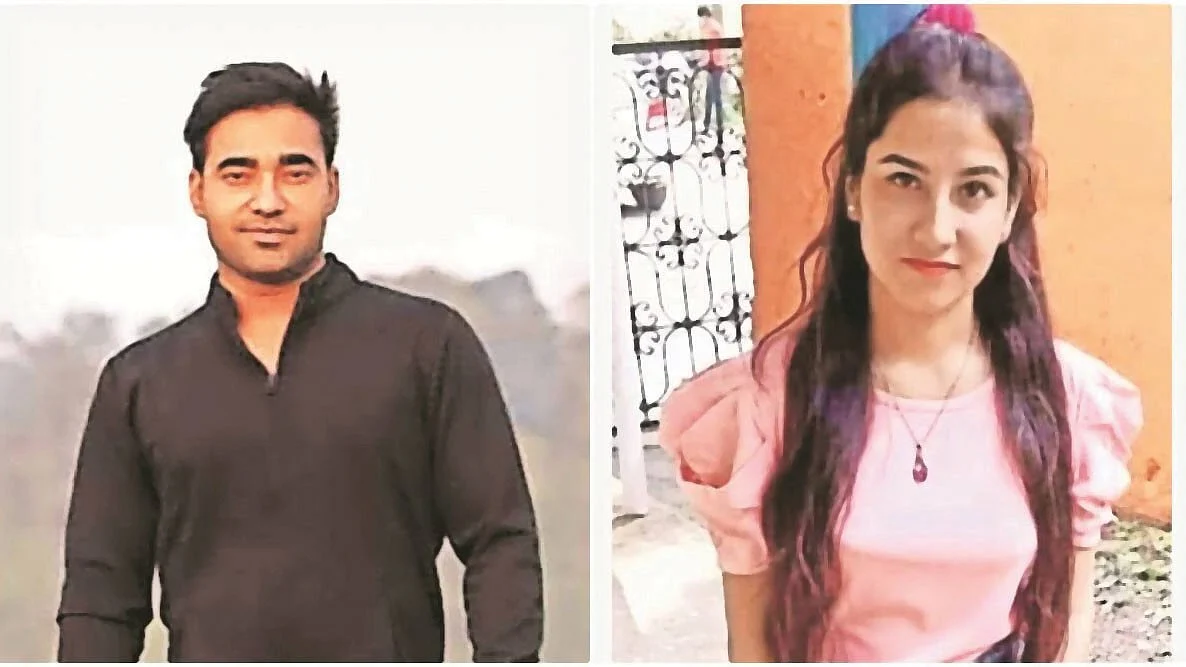


Anger over Ankita Bhandari’s murder in 2022 erupted in December 2025 and carried into the new year. The killing of the 19-year-old, who refused sexual favours to a VIP, came to symbolise the collapse of Uttarakhand’s long-held dream.
Formed 25 years ago after sustained agitation, Uttarakhand was meant to fulfil a Gandhian vision of self-governance. Instead, it has been overwhelmed by crass commercialisation and a development model that has eroded agriculture, destroyed homes and frayed the social fabric.
Ankita was murdered by Pulkit Arya, son of BJP minister Vinod Arya and owner of the Vanantra resort where she worked as a receptionist. After Pulkit’s conviction, the staff spoke openly of the resort being a hub of drugs, alcohol and prostitution.
This only served to confirm the public’s worst fears: thousands of resorts and homestays that have mushroomed across the state — many owned by politicians and retired bureaucrats — are hubs of prostitution where young girls are lured and subsequently blackmailed to become sex workers.
Rishita, who was a receptionist at Vanantra, before Ankita joined, said, “I felt they wanted me to get into it (sex work). I was unwilling, and so they abused me with the choicest of gaalis.”
Two months into the job, Rishita and her husband Vivek quit. Instead of paying their salaries, Pulkit charged Vivek with theft. When Vivek went to the cops to file a complaint, he was directed to meet the patwari who handles law and order in the area. Not surprisingly, the patwari sided with Pulkit.
Kamla Pant, whose organisation Uttarakhand Mahila Manch came out in support of Ankita’s parents, is apprehensive about the state going the Thailand way. Prostitution is illegal in Thailand but is openly practised in go-go bars, massage parlours and nightclubs.
“We are afraid that politicians want to set up dens like that here. Sex trade is on the rise; even small grocery shops are encouraged to sell liquor. Uttarakhand used to be such a quiet place where people would settle after retiring. Now it has become a den of vice, with thousands of resorts, hotels and homestays — from the cheapest to the most expensive.”
The owner of a small boutique hotel on Rajpur Road in Dehradun says, “Couples now want to hire rooms on an hourly basis. This suits owners of smaller hotels because they can make a quick buck.’’
Official data confirms the disturbing rise in human trafficking in Uttarakhand. The warning signs were visible as early as 2016, when the women’s wing of the Uttarakhand Parivartan Party organised a candlelight march to sound the alarm. Scores of women — particularly from Almora district — went missing from their homes. Activists believe many were pushed into sex work.
The march brought to light claims that distressed women were being sexually exploited by influential persons, allegedly in collusion with the management of a shelter home in Dehradun.
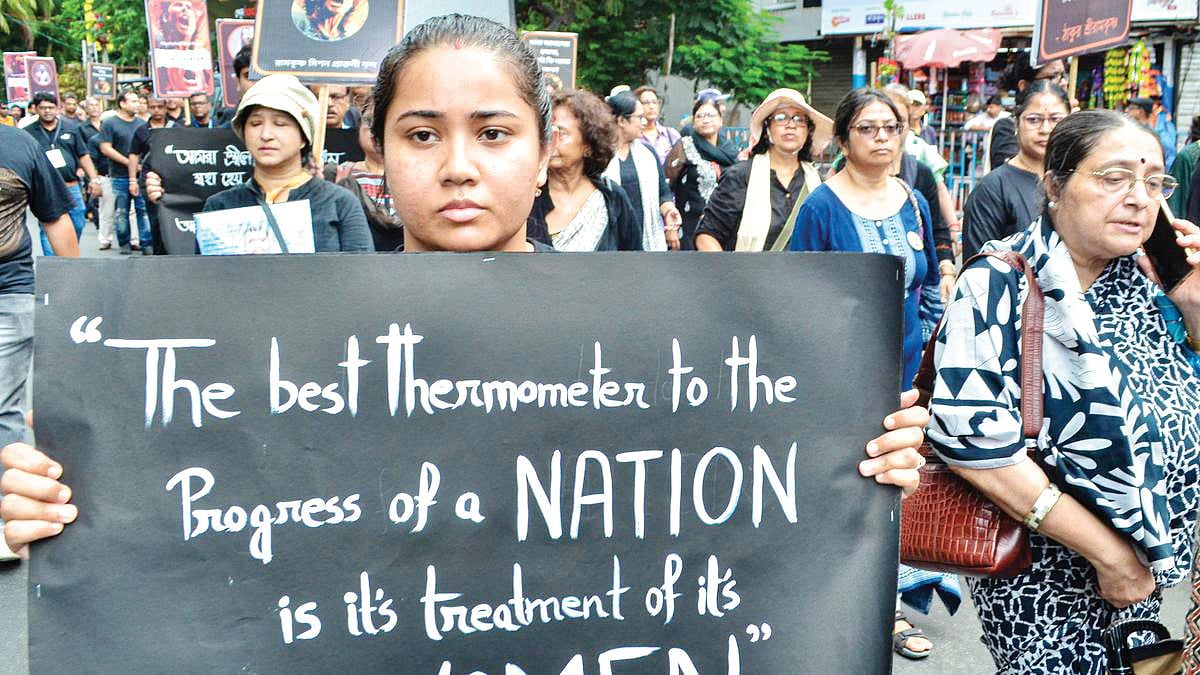
Between 2016 and 2022, there was a four-fold increase in crimes against young women registered under the Protection of Children from Sexual Offences (POCSO) Act. According to the National Crime Record Bureau (NCRB), Uttarakhand recorded the largest number of rape cases among Himalayan states, and the highest number of POCSO cases in 2023. Pressured by Hindu extremist groups, the police are using the law to target Muslim teens in interfaith relationships.
Statistics released by the NCRB show an alarming surge in cases of kidnapping, murder and theft in 2024 as compared to earlier years. Sharing details of this surge, RTI activist and advocate Nadeem Uddin says, “Thefts increased by 9 per cent, murder cases by 5 per cent, kidnappings with the intention to murder surged by 100 per cent, and women’s abductions increased by 91 per cent. Other forms of kidnapping rose by a dramatic 144 per cent from 2022.”
The rise in crimes against women has been mirrored by an unprecedented surge in liquor sales. According to data from the Excise Department, over 6.67 lakh cases of liquor were sold across the state during the Diwali fortnight in 2025. This generated revenue exceeding Rs 367 crore, while sales on New Year’s Eve alone brought in Rs 143 crore. Alcohol is the state’s biggest money spinner, helping generate an income of Rs 3,353 crore — nearly Rs 200 crore more than in 2024.
While bulk liquor licences are being issued only to Uttarakhand residents by the state government, under the new excise policy for 2025–26 all liquor shops located near religious places will be shut down.
A study conducted by AIIMS Rishikesh, which interviewed 400 individuals, highlighted the growing problem of alcohol consumption in the districts of Dehradun and Haridwar. Published in 2018, the study found that the highest proportion of alcohol users were aged 30 to 49, with 72 per cent males and 28 per cent females struggling with alcoholism.
This problem has grown worse in the last five years. Women in the hill villages of Garhwal have taken matters into their hands and formed mahila mangal dals to ensure that no alcohol is sold or consumed in their village.
In December 2025, a student of a private school in Haldwani was caught with vodka in her water bottle during a surprise check. The principal of the school, Dr Yuvraj Pant, admitted that alcoholism and smoking had spiked among senior students.
The youth and adolescents are also susceptible to drug addiction. Drugs are easily available as Uttarakhand’s geographical location makes it an ideal transit route for drug trafficking. A study published in the International Journal of Science and Research, revealed that in the Kumaon region, an estimated 26 per cent of senior secondary school students are addicted to drugs including synthetic drugs and opioids.
With adolescent girls and boys moving out of their villages to larger towns in search of economic opportunities, the family structure has disintegrated. Sex ratio has shown a rapid decline: at present there are 840 girls for every 1,000 boys, one of the worst in India. When girls aren’t valued, life becomes an uphill climb — marked by violence, forced marriages, trafficking and fewer choices.
Congress spokesperson Sujata Paul emphasises that “sexual exploitation and sex trafficking” have become rampant. “Take the example of Vanantra. The Arya family had been given permission to open an amla candy factory but were running a resort right under the nose of the government.”
Paul named several prominent BJP leaders who have been convicted for sexual misdemeanours. BJP MLA Mahesh Negi from Dwarhat has been charged with rape and criminal intimidation. Mukesh Bora, head of the State Cooperative Dairy Federation, was accused of sexually exploiting a widow and her daughter — the BJP removed him from his post in 2024.
Another BJP leader who was a member of the minority cell, Aditya Raj Saini, was removed from his post and expelled from the party after he was booked for raping and murdering a 13-year-old Dalit girl in Haridwar in 2013.
“This is the moral fibre of present leaders. Obviously, they will encourage all kinds of sexual wrongdoings. Hundreds of women are coming forward with complaints but the police is pressured into hushing them up,” Paul added.
The preference among young people for live-in relationships over marriages coincides with an increase of violence in such relationships. Chairperson of Uttarakhand’s State Women’s Commission Kusum Kandwal said, “The trend is alarming and underscores the need for greater awareness and legal measures to protect women’s rights.”
Join our official telegram channel (@nationalherald) and stay updated with the latest headlines