


Can Israel survive Netanyahu?
Ashok Swain on a question once unthinkable but now being openly discussed both inside and outside the country
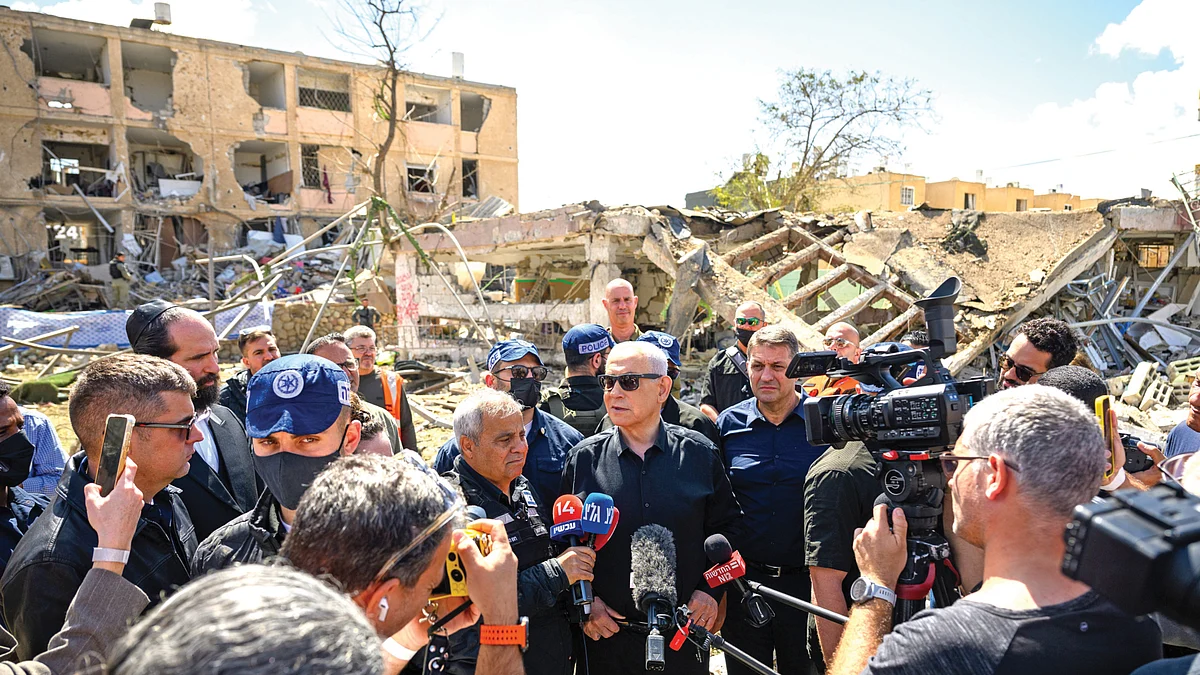


As Israel approaches what could be the most consequential election in its 78-year history, a question once unthinkable is now being openly discussed both inside and outside the country: can Israel survive Netanyahu?
The question is no longer the political future of Israel’s longest serving prime minister, but the future of Israel itself. Under Netanyahu, Israel has become more isolated internationally than ever before. An ICC (International Criminal Court) arrest warrant hangs over his head. Public opinion across much of the world, more importantly in countries that have been steadfast allies, has turned sharply against Netanyahu and the Zionist state of Israel. Even the United States, Israel’s indispensable ally and principal benefactor, is showing signs of growing impatience.
Netanyahu is easily the most reviled, most despised political leader in the world today. Even Donald Trump, once his closest international partner and ally in confronting Iran, is now publicly rebuking him. Their recent disagreements over Israel’s provocative strikes in Lebanon, which threaten belated US efforts to secure a deal with Iran, have created fissures in a relationship now increasingly defined by frustration more than trust. Among high-visibility world leaders, Narendra Modi appears to be standing alone in support of his other ‘good friend’.
An Israeli television poll released this month reflects growing public exhaustion with Netanyahu’s leadership. A majority of Israelis believe his conduct has harmed Israel’s interests by jeopardising the peace talks.
Meanwhile, Netanyahu has concluded his testimony in an 18-month corruption trial, where he faces charges of bribery, fraud and breach of trust. The larger questions about his leadership, though, extend well beyond his personal reputation or legal entanglements.
In his desperation to stay alive politically, Netanyahu has inflicted unimaginable damage to Israel’s global standing. He has undermined its long-term security and greatly weakened, if not fully destroyed, strategic partnerships.
Also Read: War and peace
The latest Pew Research survey should alarm every Israeli policymaker. Across 36 countries, a median of 67 per cent now hold unfavourable views of Israel. In many countries, including some of Israel’s closest traditional partners, negative perceptions have reached record levels.
Confidence in Netanyahu is even lower. Majorities across Europe, North America, Latin America and Asia express little or no confidence in him. Around the world, Netanyahu has become the face of Israel and the face of evil — and the blowback is inevitably singeing Israel’s reputation.
The reputational damage is not just a PR disaster. Israel’s security depends on more than its military power; it depends on legitimacy, alliances and international goodwill, all of which Netanyahu’s leadership has thoroughly eroded.
Israel remains heavily dependent on American military assistance, diplomatic protection at the United Nations, intelligence cooperation and economic support. For decades, support for Israel was one of the few genuinely bipartisan issues in American politics. That consensus is now collapsing. Younger Americans view Israel more negatively than earlier generations. Support for Israel among Democrats has fallen sharply. Prominent American politicians are questioning the scale of US military assistance and diplomatic backing given to Israel.
No Israeli leader should be comfortable with this trajectory. Yet Netanyahu is risking Israel’s most important strategic relationship to cling to power and the political immunity that comes with it. That is because the greatest threat facing him personally is not Iran nor Hamas and Hezbollah but peace.
For Netanyahu, peace is politically dangerous because peace will set in motion the wheels of accountability. Peace will expose failures. Peace will redirect attention away from external enemies to the man who has dominated Israeli politics for nearly two decades.
It is this reality that is making Netanyahu dare and defy Trump. For years, Netanyahu pushed successive American administrations towards confrontation with Iran. He opposed diplomacy, attacked negotiations and portrayed any accommodation with Tehran as a threat to Israel’s survival. When Trump returned to office, Netanyahu believed he had finally found an American president willing to embrace his vision of maximum pressure and military escalation.
Also Read: A weaker West Asia suits the US and Israel
The subsequent war with Iran appeared to validate Netanyahu’s long-standing approach. But as the costs and risks of further escalation started dawning on him, Trump started looking for an exit strategy. Dreams of a peace agreement with Tehran, of restoring some stability to the region, of the possibility that he may still be able to claim credit for ending a dangerous conflict seem to have re-entered the Trump mindscape.
For Netanyahu, on the other hand, a US peace deal with Iran will undermine the central political narrative he has spun for decades. It will diffuse the sense of permanent emergency on which his political relevance depends. Importantly, it will make Israelis focus on Netanyahu again rather than Iran, the so-called ‘existential threat’ of Netanyahu’s political schema.
This explains why Netanyahu has always tried to scuttle diplomatic engagement, why Israel continues military operations in Gaza, intensifies actions in the West Bank and maintains military presence in Lebanon even when its strongest strategic ally seeks regional de-escalation.
Netanyahu dreads peace because peace in the region will mean a change of focus at home, and the spotlight will turn on the deadliest attack in Israel’s history and on the leadership of a man who built his reputation on security.
Israelis will question the security lapses that allowed the attacks of 7 October 2023. They will ask why the hostages couldn’t be brought home sooner, why no political solution is in sight even after the genocide in Gaza. And they will know who presided over Israel’s global isolation.
A political career built on projecting unmatched credentials to protect Israel at all costs and on the Zionist geopolitical dream of creating a Greater Israel — envisioning a Jewish state with borders extending far beyond Israel’s current territory — is coming unstuck.
What we are witnessing are the desperate attempts of the man in charge of that project to make the fantasy endure in the Israeli popular imagination.
When Israel votes later this year, its people will weigh the costs of nurturing this dream. They will probably worry how the country can rebuild legitimacy, repair alliances and reclaim a place in the world. The future of Israel might depend on whether the country can move beyond the man who has led them to their current predicament.
Ashok Swain is a professor of peace and conflict research at Uppsala University, Sweden. More by the author here
Join our official telegram channel (@nationalherald) and stay updated with the latest headlines