


A tale of two elections
Similar preludes and contexts, vastly differing outcomes
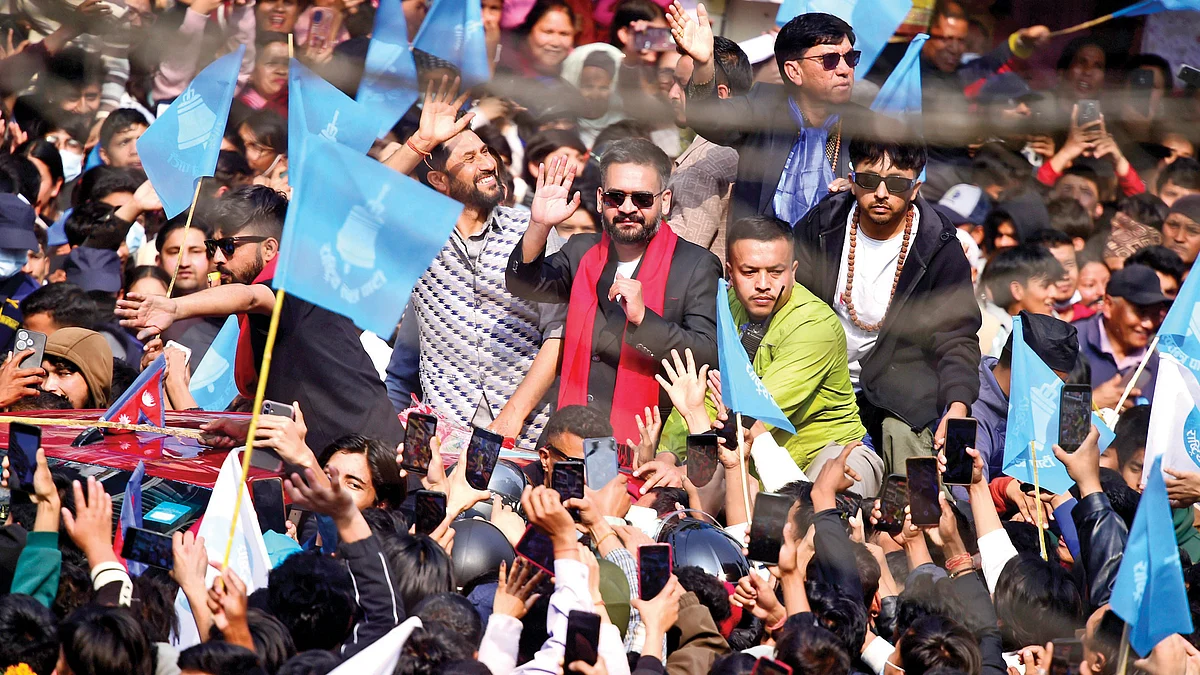


The youth and students who led popular uprisings in Bangladesh and Nepal — toppling entrenched governments in August 2024 and September 2025, respectively — have fared very differently in subsequent elections.
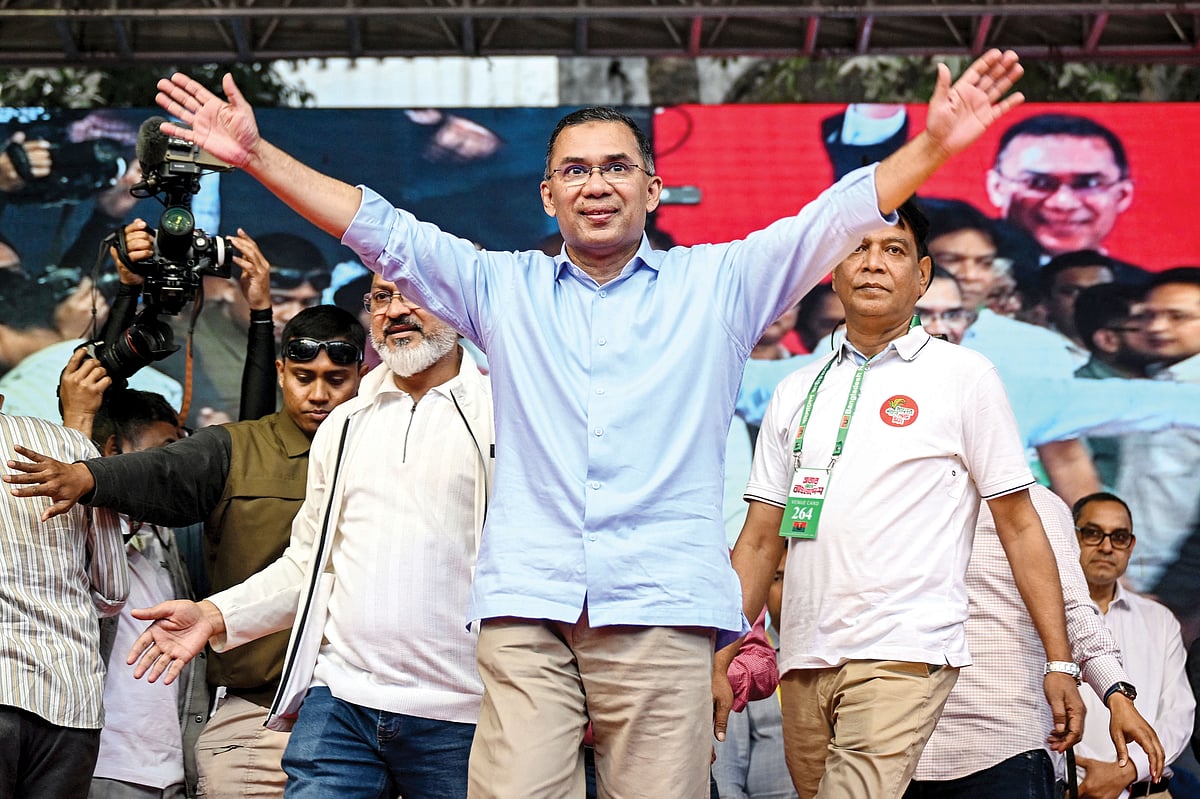
In Bangladesh, the National Citizen Party (NCP) was rejected in the election held on 12 February, winning just six seats and three per cent of the vote. In Nepal, the Rashtriya Swatantra Party (RSP), formed in July 2022, received an overwhelming mandate, winning two-thirds of the seats and giving the country its first single-party government in three decades.
Observers noted that voters in Bangladesh were wary of the instability and inexperience of the youth, while in Nepal, they saw the RSP as more disciplined and reformist.
The results in Nepal surprised people and ‘experts’ alike. The RSP’s landslide victory was fronted by 35-year-old structural engineer and rapper-turned-politician Balendra ‘Balen’ Shah. A former mayor of Kathmandu, Shah will be Nepal’s youngest prime minister and the first from Madhesh in the plains.
Like several previous prime ministers, Shah has an India connection, having studied engineering in Bengaluru. He defeated four-time prime minister and CPN-UML chairman K.P. Sharma Oli in the latter’s own constituency of Jhapa-5 by a margin of 50,000 votes.
The two back-to-back elections had, prima facie, similar preludes and contexts. In both countries, Gen Z took to the streets in protest against establishments steeped in corruption and misgovernance, economic stagnation and perceived nepotism.
In Nepal, it was the government’s decision to monitor social media that sparked the protests; in Bangladesh, it was the movement against reservation in government services and educational institutions that brought the students out.
Although both culminated in somewhat free and fair elections, Gen Z caused a ‘generational earthquake’ in Nepal. In Bangladesh, it was co-opted and diffused. Despite similar optics, were there drivers other than Gen Z at work?
****
For decades, a revolving door of three parties dominated politics in Nepal: the Nepali Congress (NC), the CPN-UML and the Maoist Centre. This election effectively shattered all of them.
Also Read: Reforms, referendum and roadblocks
Almost all top-tier leaders from the traditional parties — including veteran leaders like Sher Bahadur Deuba and Gagan Thapa — faced humiliating defeats or a significant loss of influence.
Political observers in Nepal suggest that Gen Z acted as a safety valve to vent decades of simmering public anger against established political parties. In May 1980, following widespread student demonstrations and political unrest demanding democratic reforms, the then King Birendra called for a national referendum which allowed voters to choose between retaining the party-less panchayat or adopting a multiparty system. The panchayat system won with 54.99 per cent of the votes and, despite being suppressed, dissent persisted.
Since then, Nepal has witnessed a number of political upheavals. These include the Maoist rebellion (1996-2006), the royal palace massacre of 2001 and King Gyanendra’s coup of February 2005. The Gen Z uprising of September 2025 is part of this continuum. “Living through decades of political upheaval has given the people of Nepal a deep-rooted confidence to raise their voice in protest,” observed a vlogger from Nepal, ironically on condition of anonymity.
Thousands of older demonstrators, a motley group of monarchists and ex-Maoists — many of whom resorted to arson — infiltrated the 8 September protest called by Gen Z. They pushed the crowd towards Parliament, attacked ministers and public servants, and ransacked both public and private property. The template was otherwise standard — police clashing with rioters, firing and killing protesters — be it Kathmandu or Dhaka.
One of the triggers of the Gen Z protests was the Oli government’s move to control social media platforms, all of whom were directed to register with the ministry of communication and information technology. Except TikTok and Viber, most refused.
When Meta (Facebook, Instagram, WhatsApp), Alphabet (YouTube) and X ignored the seven-day deadline, the authorities moved to block them. As The Kathmandu Post put it, ‘For Nepal’s digitally dependent Gen Z, it was the final straw.’
Also Read: Nepal has another date with democracy
With Nepalis flocking en masse to mobile-based social media, the RSP ran much of its election campaign by pushing its messaging and symbol of the blue bell through social media. While the internet-savvy RSP optimised algorithms, bots, monetised websites and content creators, traditional parties found themselves on the backfoot.
In Bangladesh, the NCP went through its political baptism even before it was prepared. Senior NCP leaders told National Herald that despite similarities in the political contexts of Nepal and Bangladesh, youth groups engaged with them in markedly different ways.
“When we formed the NCP, we thought of ourselves as a pressure group that would force the administration to respond to important issues,” said NCP leader Yeasir Arafat. “Internally, we debated vigorously before deciding to emerge as a political party.”
Arafat dismissed the speculation that joining the interim government or getting into an alliance with the Jamaat-e-Islami may have worked against his party. According to him, though youngsters voted in large numbers, the BNP was the main beneficiary of Gen Z’s support in Bangladesh.
Arafat pointed out that, unlike the NCP, Nepal’s RSP had comparatively more experience in politics and governance. By the time it captured the imagination of Nepal’s Gen Z, the party had already served as a coalition partner in the Prachanda-led government, holding four cabinet ministries from March 2024 to July 2024.
While Gen Z may have disrupted the Nepali establishment’s inertia, many pass it off as a temporary wave, likely to settle as the RSP transitions from activism to governance and things return to business as usual. They point out that the uneasy understanding between Nepal’s face of change Balen Shah and RSP supremo Ravi Lamichhane is driven more by accommodation than policy or ideology.
Recent experience in Bangladesh and Nepal shows that toppling entrenched governments through youth-led uprisings is easier than sustaining them in the aftermath. If political exigencies replace policy, such movements can easily be co-opted by the system. If that happens, a sense of déjà vu will engulf Nepal, and the RSP may meet the same fate as the NCP in Bangladesh.
Sourabh Sen is a Kolkata-based independent writer and commentator on politics, human rights and foreign affairs. More of his writing may be read here
Join our official telegram channel (@nationalherald) and stay updated with the latest headlines