


The atomic fatwa: Iran’s post-Khamenei nuclear paradox
For over two decades, Tehran used Khamenei’s famous fatwa to counter allegations of a clandestine weapons programme. That has now changed
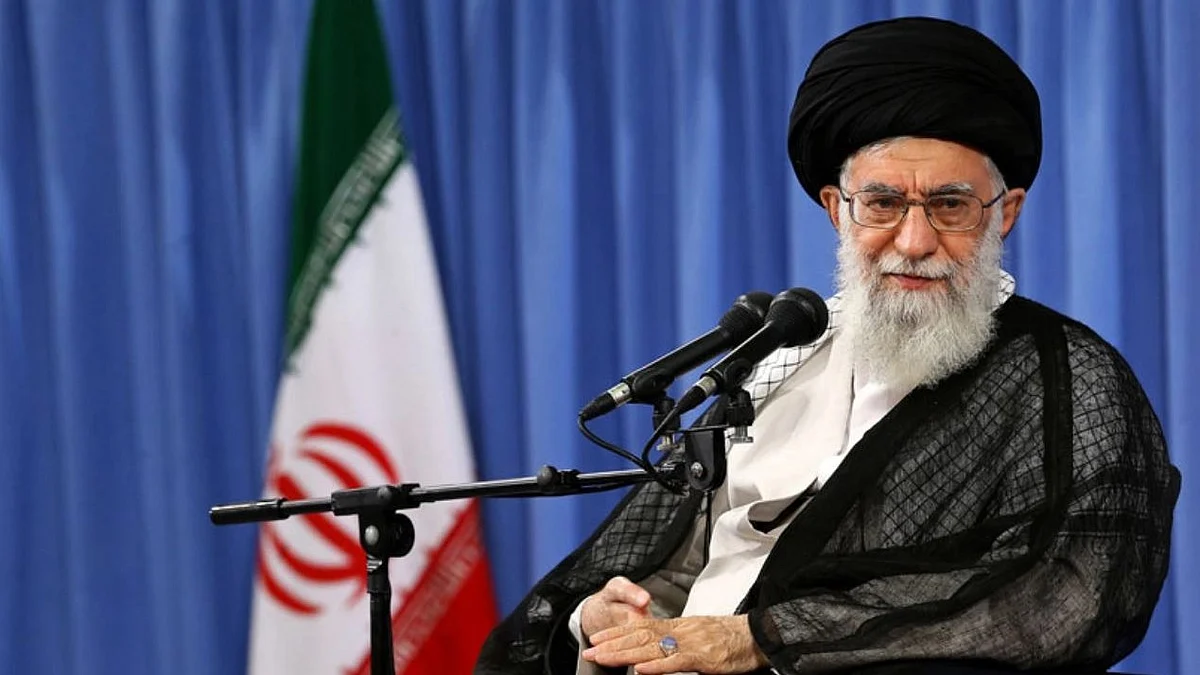


The assassination of Ayatollah Ali Khamenei on 28 February didn't just plunge the Islamic Republic of Iran into a succession crisis; it effectively dismantled the theological cornerstone of Iran’s nuclear diplomacy.
For over two decades, Tehran’s primary defence against allegations of a clandestine weapons programme was not just technical but spiritual — centered on Khamenei’s famous fatwa (religious edict) prohibiting the production and use of nuclear weapons.
With the seat of the supreme leader now occupied by his son Mojtaba Khamenei, the world is forced to confront a stark jurisprudential reality: in Shia Islam, the authority of a religious ruling is tied to the life of the scholar who issued it.
In Washington, US vice-president J.D. Vance has gone so far as to claim that Iran was preparing to deploy “nuclear suicide vests” capable of killing tens of thousands — an assertion used to justify pre-emptive military action. Such claims, whether grounded in intelligence or political expediency, underscore the extent to which fear narratives are now shaping policy in the absence of the moral restraint once symbolised by the fatwa.
The jurisprudence of death: Why fatwas expire
In the complex hierarchy of Shia Ja’fari jurisprudence, believers follow a marja’ al-taqlid (source of emulation). When a marja’ dies, the 'rule of the dead scholar' typically applies.
While existing followers may continue to observe his rulings out of consistency (baqa alal-taqlid), his edicts lose their binding force for the community at large and cannot be adopted by new adherents.
Crucially, Khamenei’s nuclear ban was consistently presented to the International Atomic Energy Agency (IAEA) and the UN as a fatwa — a personal religious opinion — rather than a hukm-e hukumati (governmental decree).
‘Fatwa’ is a religious interpretation which, under Shia law, loses its institutional 'anchor' upon the death of the jurist. ‘Hukm’ is a state law that remains in force until a successor actively repeals it.
By framing the nuclear ban as a moral and religious absolute to gain international trust, the Iranian leadership inadvertently ensured it would have a shelf life. As Mojtaba Khamenei assumed power amid the ongoing war, he was neither religiously nor legally bound by his father’s previous stance.
Strategic expediency: The doctrine of maslahat
Beyond the expiration of the fatwa lies a more flexible instrument within the Iranian constitutional framework: maslahat, or expediency. This principle allows the Supreme Leader to suspend even primary Islamic tenets if the survival of the Islamic State is at risk.
Also Read: Lessons from a mindless ‘war of choice’
Historically, Ayatollah Ruhollah Khomeini invoked this doctrine to end the Iran-Iraq War, likening the decision to “drinking from the poison chalice.” Today, Iran’s interim leadership and the Revolutionary Guards (IRGC) — who reportedly facilitated a swift and unconventional succession — view nuclear capability as a strategic necessity.
A threshold state without a sentry
Iran is already widely regarded as a nuclear threshold state, possessing the technical capacity to enrich uranium to weapons-grade levels within weeks. Until recently, the fatwa offered negotiators a framework within which agreements like the JCPOA could be pursued.
By mid-March, influential clerics had begun signalling that earlier prohibitions may no longer hold under conditions of direct military assault. Should the new supreme leader decline to renew the fatwa — or replace it with a hukm prioritising national defence —the last religious barrier to weaponisation would effectively disappear.
The primary moral constraint on Iran’s nuclear ambitions did not merely weaken with Khamenei’s death; by the logic of the system he upheld, it expired with him. The question is no longer whether Iran is religiously permitted to build the bomb, but whether its new leadership believes it can afford not to.
Hasnain Naqvi is a former member of the history faculty at St Xavier’s College, Mumbai. More of his writing may be read here
Join our official telegram channel (@nationalherald) and stay updated with the latest headlines