


Why US ground invasion is unlikely to open up Strait of Hormuz
As US plans ‘final blow’ on Iran and seize several islands overlooking Hormuz, military experts conclude that strait cannot be kept open at gunpoint
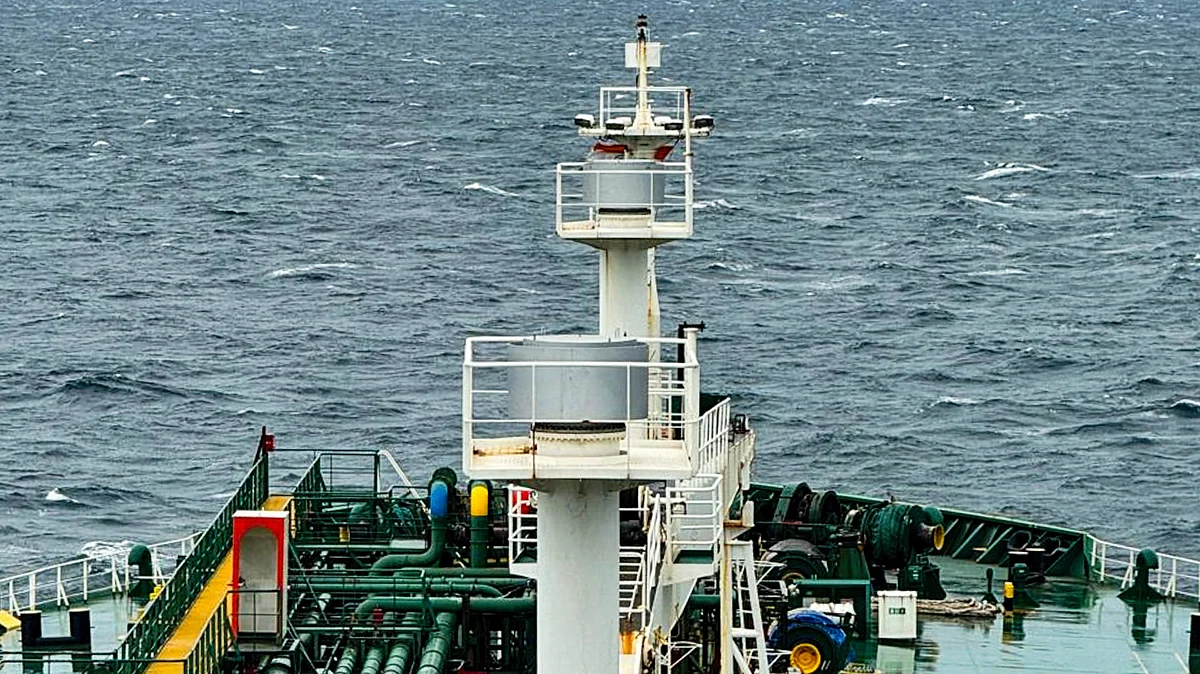


The Strait of Hormuz’s shipping lanes are just two nautical miles wide, requiring vessels to navigate extremely narrow channels while turning close to Iran’s mountainous coastline and fortified islands that provide strategic cover for Iranian forces, according to shipping broker SSY Global.
Towering cliffs rising thousands of feet on both sides make it virtually impossible for ground troops to land and secure control of the waterway. Even if Iran’s conventional navy has suffered significant damage, its asymmetric capabilities — including fast attack craft, mini submarines, naval mines and suicide attacks by kamikaze drones or speed boats — remain intact and capable of disrupting maritime traffic.
The strait’s two shipping lanes are each approximately two miles wide and are flanked on the northern side by Iran’s rugged coastline and a chain of strategically located islands including Qeshm, Larak, Hormuz and the disputed Abu Musa, along with the Greater and Lesser Tunb islands. Seven of the eight major islands in the Strait of Hormuz are controlled by Iran.
Military experts estimate that a sea-skimming cruise missile launched from Qeshm island could strike a fully loaded supertanker transiting the waterway in under two minutes. Iran has spent the past three decades strengthening military infrastructure on these islands, and assessments suggest that US and Israeli strikes over the past 27 days have not significantly damaged Iran’s core military capabilities located there.
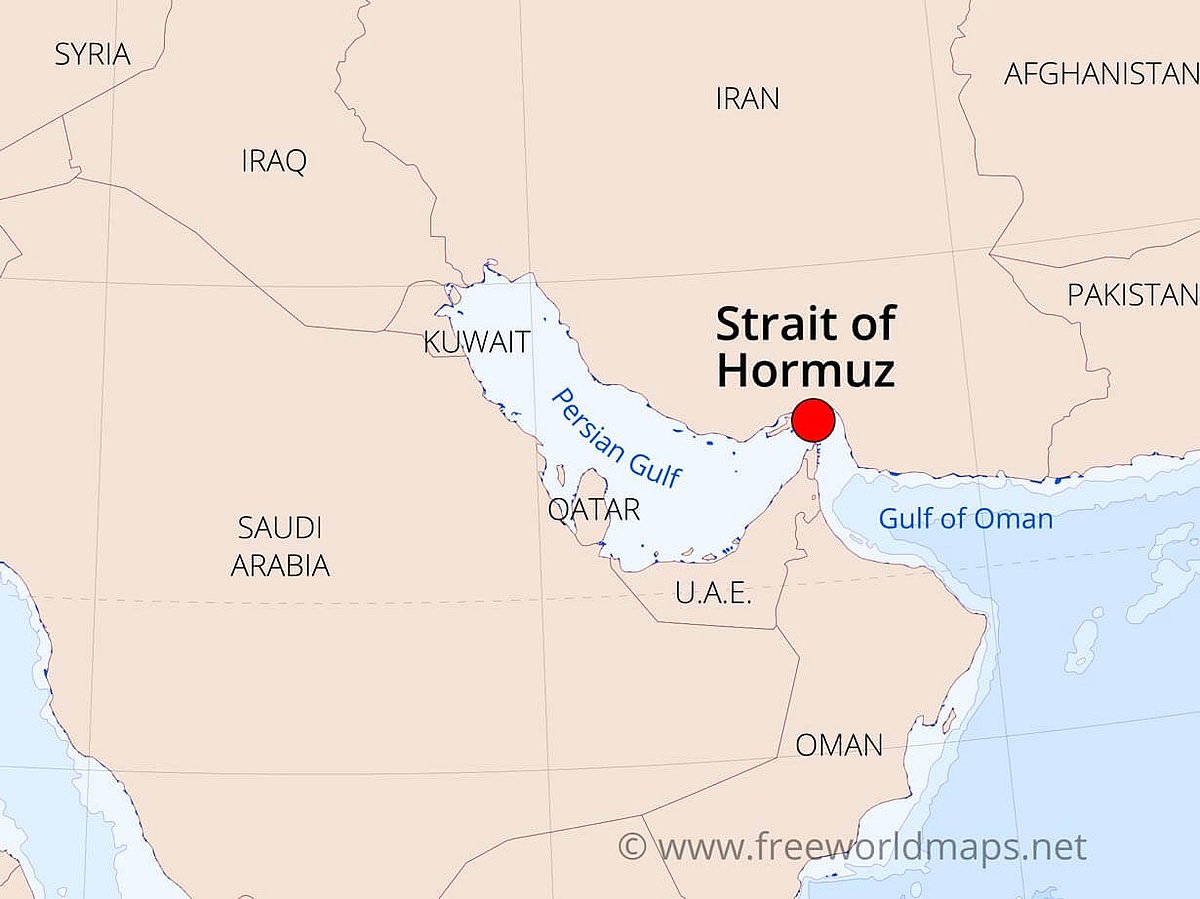
Even as some US military analysts publicly debate which island might theoretically be seized to control the strait — with Kharg and Qeshm often cited — other experts familiar with the region’s geography argue that any ground invasion would be extremely risky and potentially unviable.
Securing the strait would require control not only of Kharg but also Qeshm, Larak and Abu Musa, along with the capacity to neutralise coastal defence batteries, underground tunnel networks, naval mine stockpiles and more than 1,000 km of rugged northern coastline that no amphibious force has previously attempted to occupy.
Notably, the Strait of Hormuz remained operational until 28 February, when US and Israeli military strikes on Iran triggered threats against oil tankers. The military operation — which US President Donald Trump has reportedly been advised not to describe as a “war”, given the implications for congressional approval — resulted in insurers refusing to underwrite vessels transiting the waterway due to heightened risk.
As a result, shipping traffic stalled despite the strait itself not being physically closed. The United States is now considering further escalation in order to reopen a passage that had remained functional prior to the latest conflict.
Before the escalation, ships transiting the strait were required to obtain insurance coverage from western financial institutions. Iran has since explored the possibility of levying transit fees on vessels in exchange for guaranteeing safe passage.
According to statements cited by Fars news agency, the head of the Iranian parliament’s civil commission has indicated that Tehran is pursuing legislation to formalise its sovereignty, control and supervisory authority over the Strait of Hormuz and introduce tolls for ships passing through it. The proposal would effectively treat the strait as an international corridor where transit fees are routinely paid, creating a potential new source of national revenue.
However, any unilateral attempt by Iran to impose transit charges would face resistance from other Gulf states that share control of the waterway’s coastline, particularly the United Arab Emirates and Oman. Both countries are unlikely to relinquish their own sovereignty claims over the strait. While, in theory, Iran, the UAE and Oman could negotiate a mechanism to share transit revenues, deep political mistrust between the three states makes such an agreement difficult to achieve in practice.
Reflecting these tensions, UAE ambassador to the United States Yousef Al Otaiba wrote in the Wall Street Journal that the UAE would participate in international efforts to ensure that the strait is reopened and remains accessible to global shipping. The UAE controls part of the southern coastline of the Strait of Hormuz and is unlikely to concede its own strategic interests in the waterway.
Iran has meanwhile indicated that if the UAE were to assist the United States in launching ground attacks on Iranian territory, Tehran could respond by seizing coastal areas controlled by the UAE.
Amid the uncertainty, there are tentative indications that commercial shipping may gradually resume. The South China Morning Post reported that the second Chinese-owned liquefied petroleum gas carrier transited the Strait of Hormuz earlier this week. The vessel Lucky Gas passed near Larak Island in Iranian waters before reaching Oman’s Sohar port on Wednesday morning.
Another LPG carrier, Danuta I, is reported to have transited the strait around 6 March. Meanwhile, Cosco Shipping Lines, the container shipping arm of Chinese maritime giant Cosco Shipping, resumed bookings to West Asian ports including the United Arab Emirates, Saudi Arabia, Bahrain, Qatar, Kuwait and Iraq.
These developments are being interpreted by observers as a possible indication that tensions may ease in the near future. The United States has repeatedly stated that it has no direct stake in controlling the Strait of Hormuz beyond safeguarding the economic interests of Gulf states that depend on the waterway to export oil and import food and essential supplies.
A prolonged disruption would disproportionately affect Asian economies — including Japan, China, South Korea, the Philippines, India, Pakistan, Bangladesh, Sri Lanka and Nepal — all of which rely heavily on energy shipments routed through the strait. For these countries, the gradual resumption of Chinese shipping traffic offers a measure of cautious optimism amid ongoing geopolitical uncertainty.
Join our official telegram channel (@nationalherald) and stay updated with the latest headlines