


As Assam pays Rs 9,000 each to 40 lakh women ahead of polls, here's how freebie frenzy surged post COVID
BJP's Orunodoi payout matches AAP's Punjab cash promises in pre-election blitz
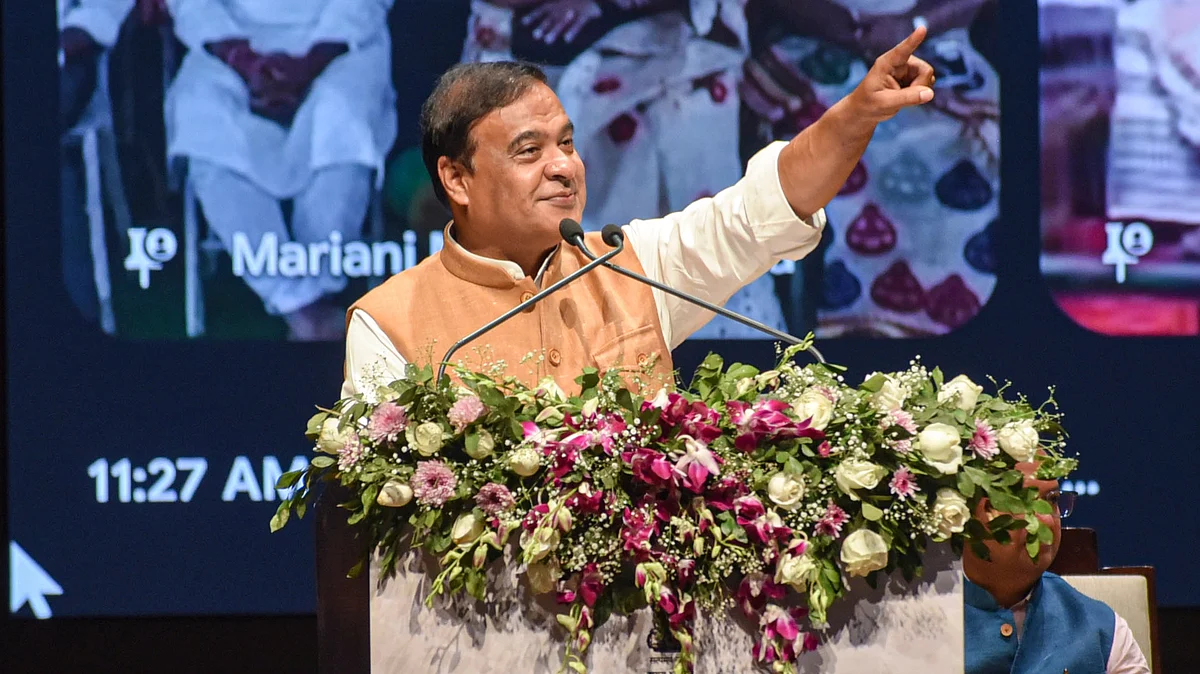


The BJP government in Assam transferred Rs 3,600 crore to bank accounts of 40 lakh women beneficiaries with Rs 9,000 per woman under the Orunodoi scheme Tuesday, days before 2026 Assembly elections, with AAP-ruled Punjab escalating cash promises for 2027 polls.
Chief Minister Himanta Biswa Sarma attended the Guwahati launch, with 3,800 panchayat functions disbursing Rs 9,000 each (four months' instalments) via Direct Benefit Transfer to widows, disabled and cancer-affected families.
Akin to Assam, AAP's Punjab government announced Rs 1,100 monthly cash for women plus free atta-dal-tea-sugar-mustard oil, building on Rs 10 lakh cashless health cover launched January 2026.
CM Bhagwant Mann's government carries Rs 22,000 crore annual free power burden (300 units) and Rs 600 crore women's bus subsidy, straining state finances.
COVID-triggered freebies explosion
Post COVID disruption, welfare spending morphed into electoral war chests as governments competed on populist promises.
While Delhi AAP under Arvind Kejriwal pioneered the trend with Rs 2,100 monthly women allowance (2022), Rs 500 LPG cylinders and free pilgrimages and eventually dominating MCD/Legislative polls, BJP countered in Madhya Pradesh's Ladli Behna Yojana (2023) — Rs 1,250/month to 1.3 crore women costing Rs 20,000 crore yearly — reviving Shivraj Chouhan for fifth term.
Maharashtra's Mahayuti matched with Rs 1,500 Majhi Ladki Bahin (2024), enrolling 2.3 crore women.
Telangana's Rs 500/month women stipend, Rajasthan's Rs 500 cooking gas subsidy flooded 2023 elections.
Additionally, West Bengal's flagship Lakshmir Bhandar, launched February 2021, now reaches 2.2 crore women aged 25-60 with Rs 1,200 monthly (SC/ST) or Rs 1,000 (General/OBC), plus Rs 500 top-up from February 2026. Total spend: Rs 74,000 crore via Duare Sarkar camps.
Kanyashree scholarships (Rs 500-25,000 for girls 13-19) and Rupashree marriage grants (Rs 25,000 for brides 18+) leverage Aadhaar-DBT, curbing child marriage while building women's vote banks.
PM Modi's "revdi culture" barbs rang hollow as BJP states replicated AAP model, with DBT enabling precise targeting of women voters (52 per cent turnout 2024 Lok Sabha). Fiscal cost: states' welfare spend jumped 40 per cent 2021-25 to Rs 7 lakh crore annually, per RBI data.
BJP expanded post-MP success; Assam's Orunodoi 3.0 (Rs 1,500/month) reaches 40 lakh families at Rs 15,000 crore yearly while AAP perfected Delhi model (Rs 2,100/month since 2022), scaling to Punjab's Rs 35,000 crore annual freebies.
Fiscal Costs of Freebies
India's state freebie spending exploded fivefold to Rs 1.7 lakh crore in FY26 (0.6 per cent GDP), per Economic Survey 2025-26, consuming two-thirds of revenues and crowding out infrastructure/human capital investments.
Revenue deficits widen: Half of freebie-running states borrow for consumption, not assets; committed expenditure (salaries, pensions, interest, subsidies) hit 65 per cent revenues, leaving scant capex room.
RBI warns this hampers social/economic infrastructure, with states' fiscal deficit breaching three per cent Gross State Domestic Product pacts.
Economists sound alarm:
"Unconditional cash transfers deepen revenue deficits, sacrificing growth for short-term consumption," — Union government's Economic Survey 2025-26.
"Freebies risk fiscal space erosion; states must prioritise capex over populism," — RBI State Finances Report 2024-25.
"Women cash schemes discourage workforce participation, delivering no durable nutrition/education gains," — Economic Survey 2025-26 analysis.
Join our official telegram channel (@nationalherald) and stay updated with the latest headlines