


Gloss over the cracks: Centre polishes MGNREGA’s name, not its problems
Renaming meets unpaid wages as the government rebadges MGNREGA while states await long-delayed dues
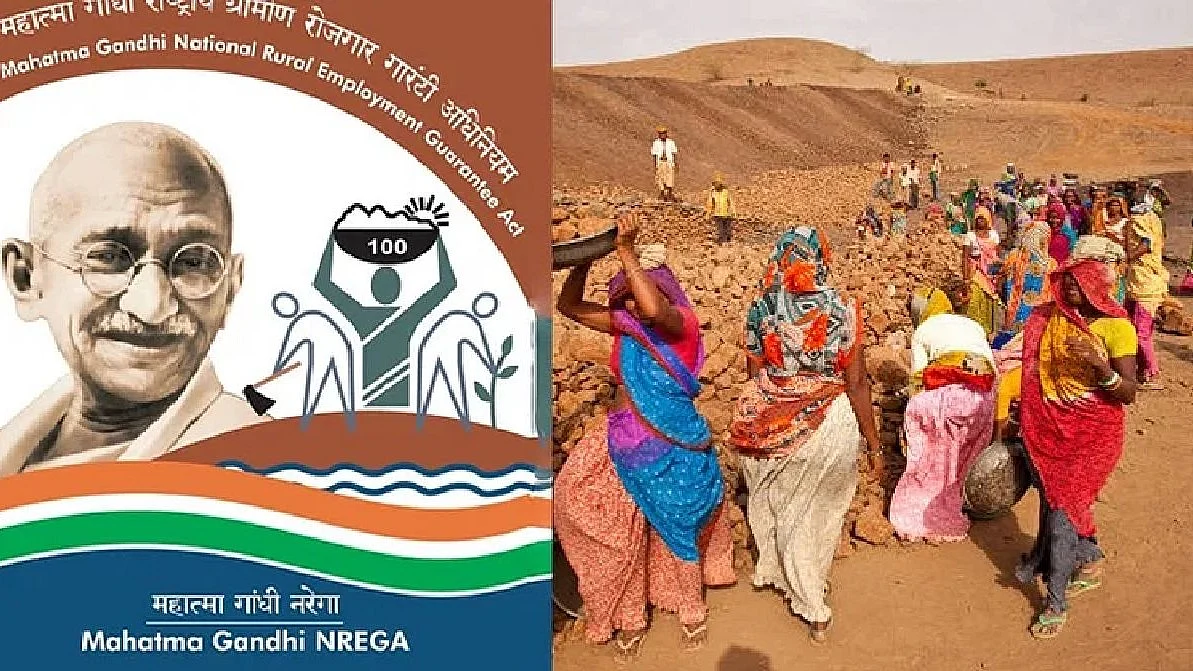


It was only a matter of time before the government, having already renamed everything from railway stations to islands, finally turned its attention to the last frontier of national rebranding: poverty alleviation.
And so, on Friday, the Union Cabinet reportedly approved a Bill to rechristen the Mahatma Gandhi National Rural Employment Guarantee Act — yes, that MGNREGA, the lifeline for crores of rural workers — into something more spiritually aerodynamic: Poojya Bapu Grameen Rozgar Yojna.
Before we admire this linguistic engineering, it is worth remembering that this is the very scheme whose dues to multiple states have been routinely withheld, often for months, plunging lakhs of workers into wage limbo. States like West Bengal have even endured year-long suspensions of funds due to alleged “non-compliance”, while workers continued to toil without timely payment.
In some years, over a third of the scheme’s entire wage liability remained unpaid well after the financial year ended — a financial yoga posture only this government could attempt. But why bother clearing arrears when one can simply rename the scheme and hope the unpaid wages feel too shy to complain?
For those wondering, this is the same MGNREGA that has survived everything: administrative hostility, dramatic budget squeezes, Aadhaar-linked attendance fiascos, and the annual ritual of being denounced as a “living monument of UPA failure” by the same political leadership that now cannot resist re-branding it. If resilience were an Olympic sport, MGNREGA would be standing on the podium waving a job card.
The new name — Poojya Bapu Grameen Rozgar Yojna — is, of course, a subtle nod to Mahatma Gandhi. After all, if a scheme is named after him twice, rural distress will surely evaporate. One can only assume the Cabinet believes unemployment will flee in confusion, disoriented by the sudden shift in syllables.
Alongside the renaming comes another flourish: the scheme will now reportedly offer 125 days of work instead of 100. Rural workers might be forgiven for blinking politely at this announcement, wondering whether the government intended to issue it before or after clearing the enormous backlog of unpaid wages, allocating adequate funds, fixing the digital attendance glitches, or refraining from scolding states for demanding more labour budgets than Delhi would prefer.
MGNREGA, enacted in 2005, has long been India’s largest social-security programme, guaranteeing 100 days of unskilled manual work to any rural household willing to take it. It has been studied, praised, dismissed, resurrected, underfunded and overscrutinised — often simultaneously. Yet its core value remains uncontested: when rural India is in distress, this is the final functioning safety net standing between households and destitution.
Which makes the government’s sudden burst of renaming enthusiasm all the more fascinating. Critics observe that while ministers unveil new titles, workers across states wait months for wages, job cards get mysteriously deleted in digital verification drives, and budget allocations shrink in real terms. But why fret about execution when you can unveil a shiny new acronym?
If this trend continues, do not be surprised if next year’s Budget renames inflation as 'prosperity fluctuation' and unemployment as 'citizen availability surplus'. For now, rural India waits to see whether Poojya Bapu Grameen Rozgar Yojna will offer anything more substantial than a fresh label — or whether, once again, rebranding will stand in for reform.
Join our official telegram channel (@nationalherald) and stay updated with the latest headlines