


Centre has changed stand on delimitation Bill, alleges Congress
Opposition raises concerns over representation, census basis and timing of proposed legislation
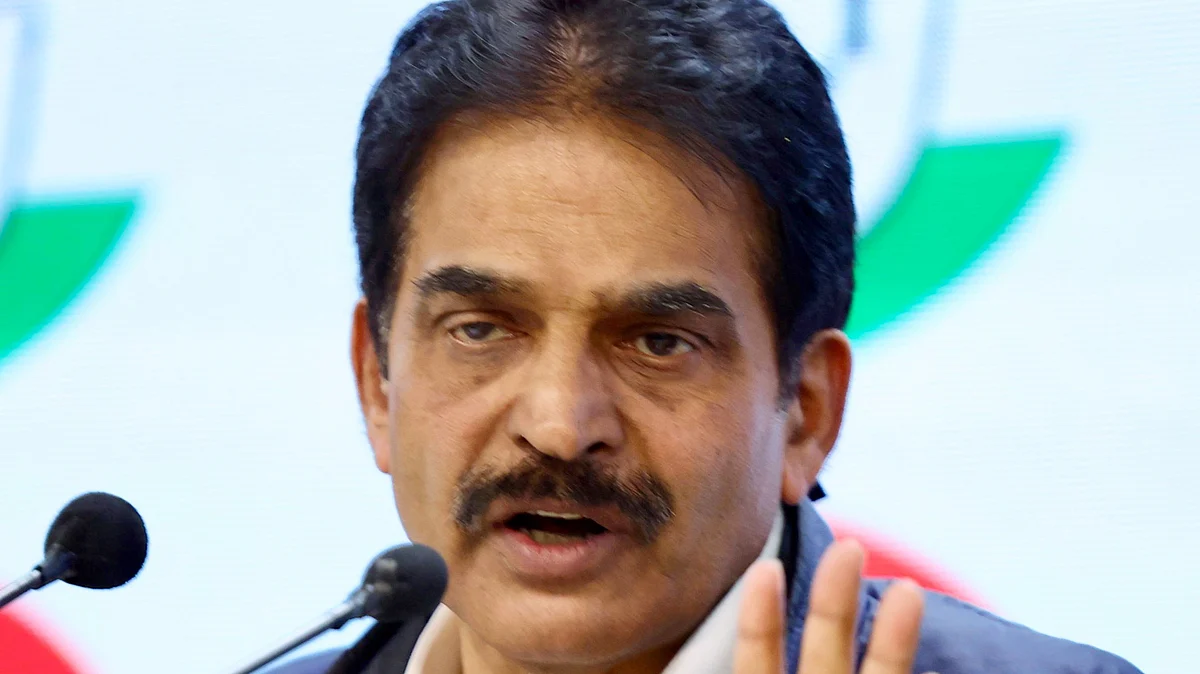


The Congress has accused the Centre of altering its position on the proposed delimitation Bill, raising fresh concerns over representation and the basis for seat allocation.
Congress general secretary (organisation) K.C. Venugopal said the latest version of the Bill introduces ambiguity and departs from earlier assurances that each state’s representation would remain protected.
He argued that the shift towards using the latest census as the basis for delimitation has heightened anxieties, particularly among southern states, and questioned whether those that have successfully implemented population control measures would be disadvantaged.
Venugopal also criticised the timing of the proposal, noting that such a significant legislative move during an election period raises questions about the government’s intent. He said the Congress would hold internal discussions followed by wider consultations with other Opposition parties to formulate a unified response.
The issue has triggered strong reactions across the Opposition, with several parties expressing reservations about the proposed changes. Jairam Ramesh warned that the Bill could have serious implications for parliamentary democracy, while CPI(M) leader John Brittas cautioned that it could disturb the federal balance by altering political representation across states.
The Opposition has also questioned the government’s approach of linking delimitation with the implementation of women’s reservation, alleging that the move could significantly reshape electoral dynamics.
Congress Parliamentary Party chairperson Sonia Gandhi described the proposal as “extremely dangerous” and a potential threat to constitutional principles.
While most Opposition parties support the early rollout of 33 per cent reservation for women, they have raised objections to any sharp increase in Lok Sabha seats without ensuring equitable representation. Some parties have also questioned the use of older census data for implementing reservation.
The proposed constitutional amendment would require a two-thirds majority in Parliament, making Opposition support crucial. However, with differences persisting over key aspects of the Bill, its passage is likely to face significant political hurdles.
With IANS inputs
Join our official telegram channel (@nationalherald) and stay updated with the latest headlines