


Congress criticises Modi government over Pakistan’s role in US-Iran talks
Opposition calls developments a “setback” for India’s foreign policy and urges diplomatic overhaul
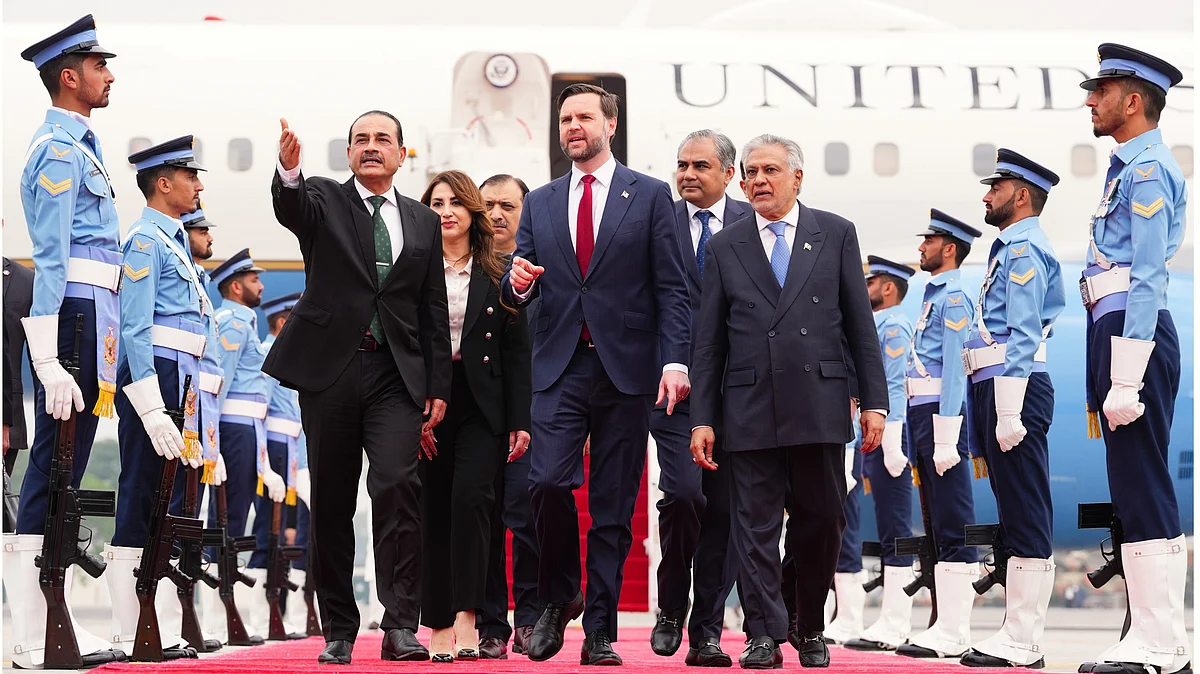


Congress has sharply criticised the central government over Pakistan’s emerging role in facilitating talks between the United States and Iran, describing it as a setback for New Delhi’s foreign policy.
In a statement on Monday, Congress general secretary Jairam Ramesh said Pakistan’s involvement in the peace process reflected a failure of India’s diplomatic strategy under Prime Minister Narendra Modi.
Ramesh argued that the growing prominence of Pakistan’s army chief, Asim Munir, in Washington’s strategic circles — particularly his perceived rapport with Donald Trump — represented a significant diplomatic challenge for India.
He also claimed that Pakistan, despite facing economic difficulties and relying on financial assistance from allied countries, was currently playing a key role in regional diplomacy. According to Ramesh, this indicated that India had not succeeded in isolating its neighbour on the global stage.
The remarks come as Pakistan hosts discussions aimed at easing tensions between the US and Iran. A first round of talks was held earlier this month in Islamabad, though it ended without a formal agreement. A further round has reportedly been scheduled, raising hopes that a temporary ceasefire between the two sides could be extended.
However, there has been no official confirmation from Tehran regarding its participation in the next phase of negotiations.
Meanwhile, Pakistan’s Prime Minister Shehbaz Sharif reiterated his country’s commitment to promoting regional peace during a recent phone call with Iranian President Masoud Pezeshkian. The two leaders discussed the evolving situation and emphasised continued cooperation.
Sharif also acknowledged recent engagements between Pakistani military leadership and Iranian officials, including contacts with Supreme Leader Mojtaba Khamenei.
The Congress party said the developments highlighted the need for a comprehensive reassessment of India’s diplomatic approach. It argued that the government must adopt new strategies to respond effectively to shifting geopolitical dynamics in the region.
The ruling government has not yet formally responded to the criticism.
With PTI inputs
Join our official telegram channel (@nationalherald) and stay updated with the latest headlines