


PM Modi's 'fast-track' NEET court off to slow start: Here's why
Bail pleas of two accused to be heard on August 3; court directs government to ensure appointment of public prosecutor


The first hearing before the fast-track court constituted to expedite trials in examination-related offences under the NEET-UG paper leak case was adjourned on Monday after no counsel appeared on behalf of the Central Bureau of Investigation (CBI).
The court was scheduled to hear the bail applications of accused Bikas Biwal and Dinesh Biwal, who are among the 13 people arrested by the CBI in connection with the alleged paper leak.
During the proceedings before Special Judge Anu Grover Baliga at Delhi's Rouse Avenue Court, counsel for the accused, A.P. Singh, was present. However, the CBI was not represented, prompting the court to defer the matter.
The court directed the government to appoint a public prosecutor without delay and ordered that the government-appointed counsel must be present at the next hearing. The case has been listed for further hearing on August 3.
Bikas Biwal and Dinesh Biwal have sought bail in the case. The CBI has alleged that the two played a role in distributing the leaked NEET-UG question paper to candidates after it was obtained illegally. The allegations are under judicial consideration, and no findings have yet been recorded by the court.
Fast-track courts for examination offences
The government recently constituted fast-track courts to ensure expeditious trial of cases involving examination fraud and paper leaks under the Public Examinations (Prevention of Unfair Means) Act, 2024.
The government has also introduced an amendment Bill in Parliament proposing stricter penalties under the law, including a nearly five-fold increase in fines and imprisonment of up to 10 years for those found guilty of examination-related offences.
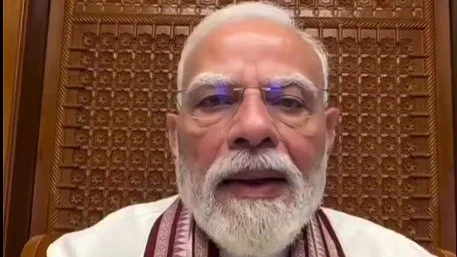
Prime Minister Narendra Modi announced on July 23 that fast-track courts would be established to ensure speedy disposal of paper leak cases, saying protecting the future of students was a priority for the government.
The alleged NEET-UG paper leak triggered nationwide protests by students and opposition parties, with demands for accountability and reforms in the examination system.
The controversy intensified after a 36-day agitation at Jantar Mantar and the police action during a Parliament march on July 20. Former Union Education Minister Dharmendra Pradhan later resigned amid the political fallout.
Join our official telegram channel (@nationalherald) and stay updated with the latest headlines