


From ‘all is well’ to ‘Covid-like unity’; PM Modi’s West Asia pivot invites scrutiny
After weeks of “no cause for alarm”, PM invokes pandemic playbook as Opposition, analysts question neutrality, credibility and preparedness
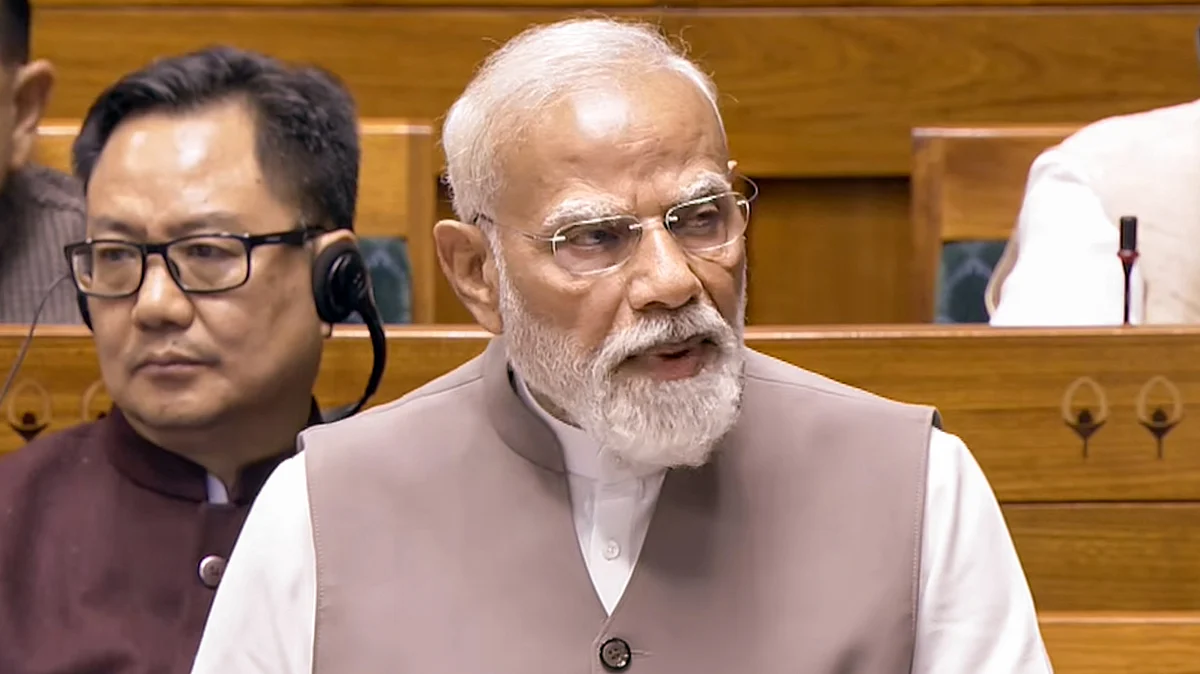


After nearly three weeks of official reassurance that India’s energy situation was under control, Prime Minister Narendra Modi’s call in Parliament on Monday, 23 March for “Covid-like unity” over the West Asia war has prompted a mix of concern, irony and pointed political pushback.
If the situation is serious enough to invoke Covid — shorthand for lockdowns, supply shocks and daily briefings — critics are asking why it took 24 days of war, oil volatility, LPG shortages and market jitters for the government to acknowledge the scale of the challenge.
In his statement, Modi described the situation as “worrisome” and warned that disruptions to shipping routes through the Strait of Hormuz posed economic, strategic and humanitarian risks for India, which depends heavily on the region for oil and gas supplies.
The tonal shift did not go unnoticed.
Senior journalist Rajdeep Sardesai, in a widely shared post, welcomed the speech but posed a series of pointed questions — from whether India would carry its message of de-escalation to Washington and Tel Aviv, to whether small businesses hit by LPG shortages would receive tangible relief rather than rhetorical reassurance.
Congress MP Priyanka Gandhi Vadra struck a similar note of scepticism, saying the prime minister “did not say anything new” and reiterating the opposition’s demand for a full-fledged parliamentary debate so that “all sides can put forward their views”.
Shiv Sena (UBT) MP Priyanka Chaturvedi questioned the delay in the prime minister’s detailed intervention, arguing that the government had reacted slowly despite the conflict’s clear implications for India’s economic and strategic interests.
AAP leader and former Delhi chief minister Arvind Kejriwal criticised the government’s handling of the economic fallout, pointing to the cascading effects of fuel price volatility, pressure on the rupee and supply disruptions affecting small businesses.
NCP (SP) MP Supriya Sule raised concerns over LPG availability and urged the government to ensure that vulnerable consumers and small enterprises are protected from prolonged supply shocks.
Congress leader Jairam Ramesh also criticised the statement for not explicitly condemning US-Israel military actions against Iran, arguing that India’s traditional diplomatic posture has historically emphasised sovereignty and de-escalation.
The demand for debate has been consistent across Opposition parties. The Congress has called for a structured discussion on India’s diplomatic positioning, while Samajwadi Party chief and former Uttar Pradesh chief minister Akhilesh Yadav has questioned whether New Delhi’s stance reflects excessive alignment with US interests in the region.
Congress MP Shashi Tharoor earlier criticised the government for limiting parliamentary discussion on the conflict, arguing that merely reading out statements without allowing debate undermines democratic scrutiny on major foreign policy choices.
The subtext to these reactions is a broader concern: whether India can maintain its traditional balancing act in West Asia after early diplomatic signals were perceived as closer to Israel and the United States.
New Delhi has since stepped up outreach to multiple global leaders, emphasising dialogue and de-escalation as the conflict threatens shipping lanes critical to global energy flows.
But the domestic political challenge is equally acute. The war has already begun to ripple into the real economy, with disruptions to LPG supply chains affecting restaurants, caterers and small businesses — sectors typically the first to feel energy shocks.
Sardesai’s question on whether dissenting foreign policy views will be branded “anti-national” also reflects a familiar pattern in Indian political discourse, particularly when national security is invoked as a frame for unity.
The irony is difficult to miss. For weeks, the official line emphasised resilience, diversification of supply and adequate domestic stocks. Now the same government is invoking Covid — arguably the most disruptive economic episode in recent memory — as the template for national response.
Unity is rarely controversial as a concept. But when it arrives after prolonged insistence that there was little to worry about, it tends to raise a different question: what changed? Or, put less diplomatically, if this is a Covid moment, why were we told it was a mild seasonal flu?
For the government, the task ahead is to ensure that calls for unity are accompanied by clarity — on diplomatic positioning, energy buffers and support for sectors already feeling the squeeze. Because if Covid taught policymakers anything, it is that messaging gaps can sometimes become policy problems.
Join our official telegram channel (@nationalherald) and stay updated with the latest headlines