


LS adjourned amid LPG protests as govt urges calm while tightening supply rules
Opposition seeks debate on LPG shortage and price rise; House stalls after Rijiju attacks Rahul Gandhi instead of addressing crisis
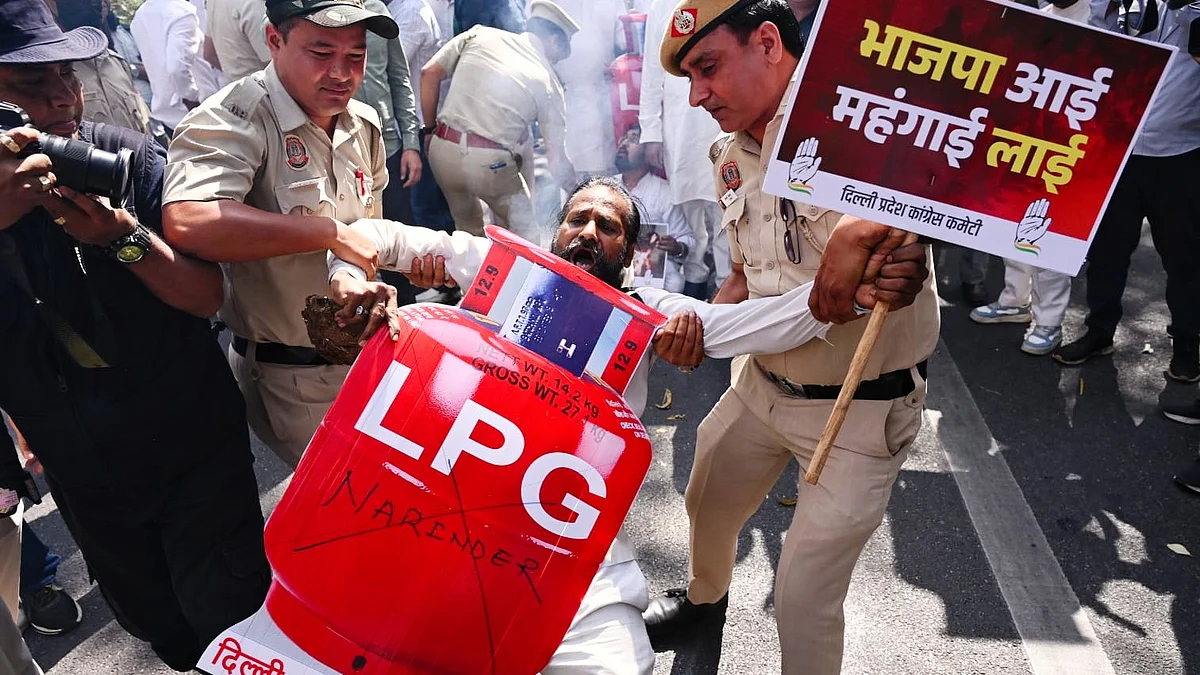


Lok Sabha proceedings were adjourned on Friday after Opposition members staged protests over rising LPG prices and supply disruptions linked to the ongoing conflict in West Asia, highlighting the government’s reluctance to engage in a parliamentary debate on a crisis that is beginning to affect households and businesses across India.
When the House reassembled at noon after an earlier adjournment, Opposition MPs trooped into the well raising slogans over the LPG situation and demanding a discussion. Instead of addressing the issue directly, parliamentary affairs minister Kiren Rijiju launched a sharp attack on Congress MP and Lok Sabha Leader of Opposition Rahul Gandhi, accusing him of staging theatrics and warning that the public would “punish” the Opposition.
The remarks further inflamed the protests and the Chair soon adjourned the House again until 2.00 pm, leaving the LPG issue — the basis of the Opposition’s agitation — unaddressed in Parliament.
The disruption reflects a broader political confrontation over the government’s handling of the emerging cooking gas crunch. While ministers have repeatedly urged citizens not to panic, the policy measures introduced in recent days indicate that authorities are grappling with supply pressures triggered by turmoil in West Asia.
India imports a significant portion of its LPG from Gulf suppliers, and disruptions to shipping routes amid the regional conflict have begun to strain supply chains. Reports from several cities have shown residents queuing outside gas agencies and booking systems experiencing heavy demand as households attempt to secure refills.
At the same time, the government has introduced restrictions that effectively ration demand. The petroleum ministry has increased the minimum gap between LPG refill bookings from 21 days to 25 days, describing it as a temporary measure to discourage panic booking and ensure equitable distribution.
Refineries have also been instructed to maximise LPG production by diverting propane and butane streams toward cooking gas output, while commercial users such as restaurants have been pushed to the back of the supply queue so that domestic households can be prioritised.
These steps, typically used during supply stress, sit uneasily alongside official messaging that the country has adequate stocks and that consumers should not rush to book cylinders.
The mismatch between reassurance and regulation has contributed to growing public anxiety. Demand for alternative cooking options such as induction stoves has surged in recent days, while restaurants in several cities have reported difficulties securing commercial cylinders.
The Opposition has seized on the issue to frame the crisis as a direct consequence of the government’s energy management. Congress leaders have accused the administration of failing to anticipate supply disruptions despite escalating geopolitical tensions in West Asia and of allowing domestic prices to rise even as households face uncertainty over availability.
Their demonstrations in Parliament — including symbolic protests with plates and utensils — are intended to underscore the impact on ordinary kitchens, particularly among lower and middle-income families that depend heavily on subsidised LPG cylinders.
The government, however, has dismissed the protests as political drama and maintained that supply remains stable, even as it works to increase domestic production and secure additional imports from alternative sources.
Friday’s adjournment underscored the resulting stalemate. The Opposition sought a structured parliamentary debate on a developing energy crisis affecting millions of consumers. The government responded by defending its handling of the situation and criticising the Opposition’s tactics.
With supply disruptions continuing and demand surging, the political pressure to address the LPG issue inside Parliament is likely to intensify in the coming days.
With PTI inputs
Join our official telegram channel (@nationalherald) and stay updated with the latest headlines