


Opposition flags economic concerns as Parliament schedule is announced
Jairam Ramesh says states will watch Finance Commission recommendations closely and urges Budget to confront slowing investment and rising inequality
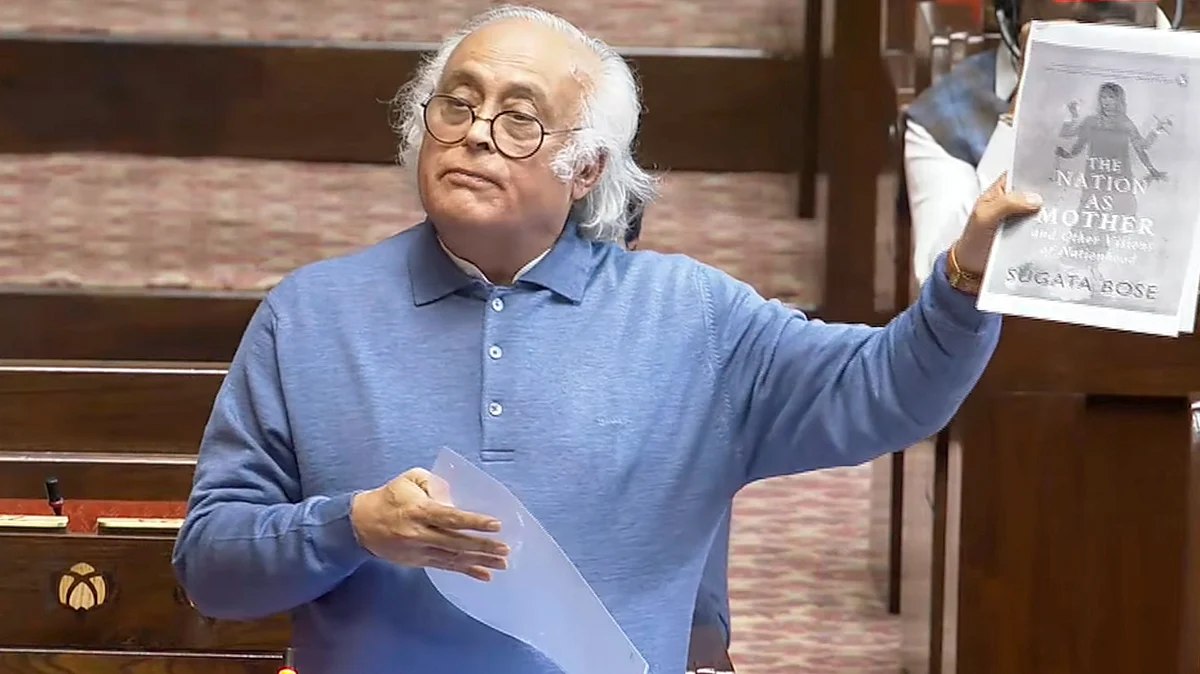


The schedule for the forthcoming session of Parliament has been announced, with the Union Budget for 2026/27 set to be presented in about three weeks, drawing early political focus to the state of the economy and Centre–state finances.
Congress leader Jairam Ramesh said the Budget would inevitably reflect the recommendations of the 16th Finance Commission, which submitted its report on 17 November 2025.
"It will no doubt reflect the recommendations of the 16th Finance Commission that had submitted its report on November 17, 2025. These recommendations, covering the period 2026/27- 2031/32, relate to the sharing of tax revenues between the Centre and States and the distribution of these revenues among the States themselves," he said in a post on X.
The commission’s proposals cover the five-year period from 2026/27 to 2031/32 and deal with the sharing of tax revenues between the Centre and the states, as well as their distribution among states.
Ramesh said states were already anxious about changes to fiscal arrangements, pointing to the new 60:40 cost-sharing formula that, he argued, had effectively dismantled the Mahatma Gandhi National Rural Employment Guarantee Act (MGNREGA) framework. Against this backdrop, he said, state governments would be watching the Budget outcome with heightened concern.
He also highlighted what he described as three pressing challenges facing the economy. The first, he said, was persistently weak private corporate investment despite tax cuts and robust corporate profits. The second was a sharp decline in household savings, which he warned was constraining the economy’s capacity to finance investment.
The third challenge, he added, was the continued widening of wealth, income and consumption inequalities.
Ramesh questioned whether the forthcoming Budget would move beyond what he termed “statistical illusions” to acknowledge these underlying issues.
He said meaningful policy steps were needed to address them, warning that higher headline GDP growth would not be sustainable unless the structural problems were tackled.
According to him, without decisive action in the Budget, the economy would struggle to generate the scale of employment required to meet the country’s needs, despite official growth projections.
Join our official telegram channel (@nationalherald) and stay updated with the latest headlines