


Bengal nominations trigger infighting across parties, TMC worst hit
Candidate lists expose deep factional cracks ahead of 23–29 April polls
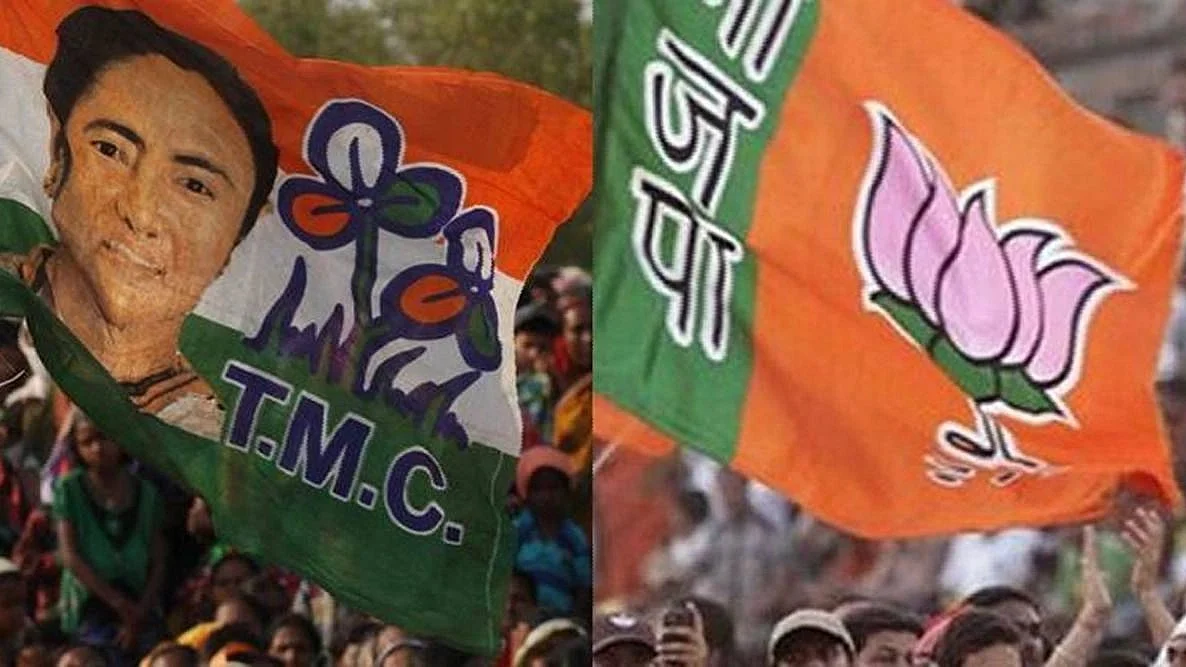


West Bengal’s political temperature spiked this week as major parties unveiled their candidate lists for the upcoming Assembly elections, triggering protests, resignations and visible factional strain — most sharply within the ruling Trinamool Congress (TMC).
The TMC’s 17 March list, which dropped 74 sitting MLAs, set off immediate backlash across districts. Party insiders see the overhaul as part of national general-secretary Abhishek Banerjee’s attempt to consolidate his own team — a move that has unsettled veterans and grassroots workers alike.
From south to north, resentment simmered as long-serving leaders were replaced by newcomers and, in some cases, celebrity faces. In Bhangar, former MLA Arabul Islam openly rebelled, saying infighting was now “a reality across the state”. Alleging that the list was effectively shaped by Abhishek Banerjee, he resigned and joined the ISF. Clashes were reported in constituencies such as Bhatar and Galsi, where denied aspirants mobilised supporters in protest.
Hooghly witnessed some of the sharpest reactions, with six MLAs dropped, including Asit Majumder. Dissident leaders, emerging from late-night meetings, warned the party could pay a price for favouring perceived “Kolkata loyalists”. Rival groups vandalised party offices in Arambagh, mirroring unrest elsewhere.
In North 24 Parganas, protests broke out in Amdanga after three-term MLA Rafiqur Rahaman was denied renomination. Calling the decision a “slap” after 15 years of service, he warned of deepening factional divides. Demonstrations spilled into Barasat and Madhyamgram, highlighting tensions between municipal and rural units.
Malda saw anger among women leaders after veteran MLA Sabitri Mitra was dropped. She accused the leadership of ignoring grassroots work in favour of “outsiders”, echoing a broader charge that senior leaders are being sidelined. Sporadic violence, including disruptions at rallies, was reported in parts of South 24 Parganas such as Canning and Basirhat.
In north Bengal, the fallout was equally intense. Rajganj’s four-time MLA Khageswar Roy resigned from all party posts after being replaced by Asian Games gold medal-winning athlete Swapna Barman. Claiming “money power” influenced the decision, he warned the seat could be lost. Protests and clashes followed in Jalpaiguri and Alipurduar.
Similar discontent surfaced in Purba Medinipur, Birbhum and Bankura, where denied leaders warned of sabotage or passive resistance. In Birbhum, loyalists of Anubrata Mondal signalled reluctance to campaign wholeheartedly, underlining the risk of internal erosion.
Chief minister Mamata Banerjee sought to contain the damage, urging denied aspirants not to “misunderstand” and promising them larger roles after the polls. Abhishek Banerjee echoed the call for unity, but the scale of dissent suggests the party faces a serious cohesion challenge ahead of voting.
The BJP, which released its list of 144 candidates on 16 March, faced comparatively muted resistance. The party largely backed organisational loyalists over recent defectors, limiting open rebellion. Protests did surface in Bankura’s Chhatna over the renomination of sitting MLA Satyanarayan Mukherjee, with local workers questioning his visibility, but these did not escalate into resignations.
In Alipurduar, however, the choice of TMC defector Paritosh Das over Suman Kanjilal irked sections of the cadre. Party leaders downplayed the discontent, stressing that candidate selection prioritised winnability and central leadership decisions. Senior figures such as Suvendu Adhikari are contesting key seats, while Dilip Ghosh’s candidature from Kharagpur Sadar signals a calibrated caste and organisational strategy.
The Left Front, which announced 192 candidates on 15 March — with CPI(M) contesting 142 seats — has so far avoided major internal upheaval. State secretary Md Salim emphasised unity against the TMC, projecting stability in contrast to its rivals.
Yet even the Left has not been entirely immune. In Nadia’s Kaliganj, the nomination of the mother of young Tamanna Khatun — killed in a 2021 celebration rally explosion — drew mixed reactions within the alliance. While chairman Biman Basu defended the move as symbolic resistance to “gunda raj”, some allies privately questioned the strategy, warning it could appear exploitative.
With polling scheduled in two phases from 23 to 29 April, the contrasting organisational moods are stark. The TMC is battling visible internal fractures, the BJP appears relatively cohesive, and the Left is attempting to project steadiness. As campaigning intensifies, Bengal’s electoral contest may hinge as much on managing internal dissent as on taking on political rivals.
Join our official telegram channel (@nationalherald) and stay updated with the latest headlines