Advertorial
Choosing the Right Corporate Travel Agent: What Businesses Must Know
When working with a corporate travel partner, services usually extend far beyond basic bookings
When a company begins to scale, managing travel internally starts to feel chaotic, and that is exactly where a corporate travel agent becomes more than just a booking partner. It’s not just about flights and hotels anymore; it’s about managing costs, ensuring employee comfort, and keeping everything aligned with company policies without creating unnecessary friction for teams.
Business travel continues to grow globally, and according to the Global Business Travel Association, global business travel spending crossed $1.4 trillion in recent years, showing how critical structured travel management has become for companies. With such large spending involved, even small inefficiencies can quietly turn into significant losses over time.
Who Is a Corporate Travel Agent?
A corporate travel agent is someone who handles travel planning specifically for businesses, but the role goes much deeper than booking tickets. They understand company policies, preferred vendors, budget limits, and employee preferences, and then use that understanding to create a smoother travel experience.
Unlike general agents, they work closely with finance and operations teams, ensuring that every trip aligns with internal processes. Over time, they become a kind of bridge between employees who need convenience and companies that need control. That balance is what makes their role valuable.
Difference Between Travel Agency and Corporate Travel Agency
At first glance, both might seem similar, but the difference becomes clear once you look at how they operate. A regular travel agency focuses on individual travelers or families, offering deals and packages that suit personal preferences.
A corporate travel agency, on the other hand, works with structured systems. It manages approvals, tracks expenses, enforces policies, and provides reporting that businesses can actually use. The focus shifts from just booking travel to managing an entire travel ecosystem within an organization.
This distinction matters because businesses don’t just need convenience, they need visibility and control, which only specialized agencies can provide.
Key Services to Expect
When working with a corporate travel partner, services usually extend far beyond basic bookings. Companies expect assistance with itinerary planning, last-minute changes, vendor negotiations, and even emergency support during travel disruptions.
Another important aspect is reporting. Businesses need to understand where money is going, which routes are most frequent, and where savings can be made. A good travel agent doesn’t just provide data but helps interpret it in a way that supports decision-making.
Over time, these services create a more predictable travel environment where both employees and finance teams feel more in control.
How to Evaluate a Corporate Travel Agency
Choosing the right partner isn’t just about pricing, even though that’s often the first thing companies look at. Reliability, responsiveness, and the ability to adapt to company needs tend to matter more in the long run.
It helps to look at how flexible the agency is when plans change, because business travel rarely goes exactly as planned. Another factor is how well they integrate with internal processes, whether approvals are smooth, and whether employees actually find the system easy to use.
A good fit usually feels less like outsourcing and more like extending your internal team, which is often a sign you’ve chosen wisely.
Cost vs Value in Travel Services
There’s always a temptation to go with the lowest-cost option, especially when travel budgets are under pressure. But focusing only on cost can sometimes lead to hidden inefficiencies that are harder to track.
For instance, cheaper bookings might come with restrictions that create issues later, or lack of support during disruptions can result in wasted time and productivity. When companies start evaluating value instead of just cost, they begin to notice benefits like better compliance, fewer errors, and improved employee satisfaction.
This shift in thinking often leads to more sustainable savings, even if the upfront cost appears slightly higher.
Importance of Technology Integration
Modern business travel doesn’t work well without technology. Manual processes, spreadsheets, and scattered bookings tend to create confusion, especially as companies grow.
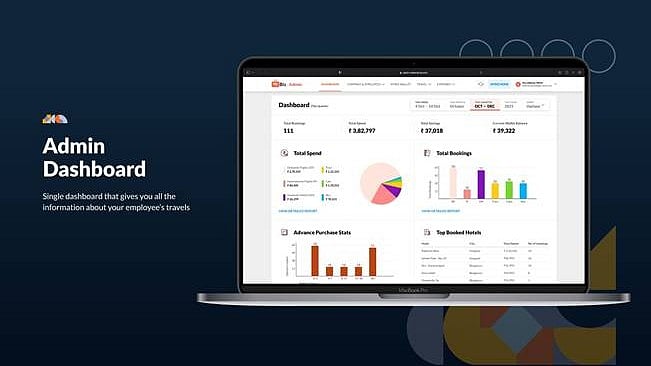
Today, businesses expect systems that allow employees to book within policy, managers to approve quickly, and finance teams to track expenses in real time. This is where platforms like myBiz by MakeMyTrip comes into the picture, offering a more connected experience between travel booking and expense management.
Instead of handling travel and expenses separately, these integrated solutions bring everything into one flow, reducing manual work and improving visibility across departments. Over time, this kind of setup doesn’t just save money, it also reduces friction for everyone involved.
Modern Solutions (myBiz)
What makes modern platforms different is not just automation but how naturally they fit into daily workflows. Employees can book travel within defined policies without needing constant approvals, while finance teams get access to clean, organized data without chasing receipts.
myBiz by MakeMyTrip focuses on simplifying business travel bookings by handling expense tracking and reporting. Together, they create a system where travel and expense management are no longer separate tasks but part of a single process.
This kind of integration becomes especially useful for growing businesses where manual coordination starts becoming a bottleneck.
Conclusion
Choosing the right travel partner is less about ticking boxes and more about finding a system that actually works for your team. When travel, expenses, and policies come together smoothly, businesses not only save money but also create a better experience for employees who are constantly on the move.
This is an advertorial. The article is published as received.
Join our official telegram channel (@nationalherald) and stay updated with the latest headlines