Advertorial
Visa Rejected After Paying Application Fees? Can Travel Insurance Help?
Visa fees are generally charged for processing an application, not for approving it
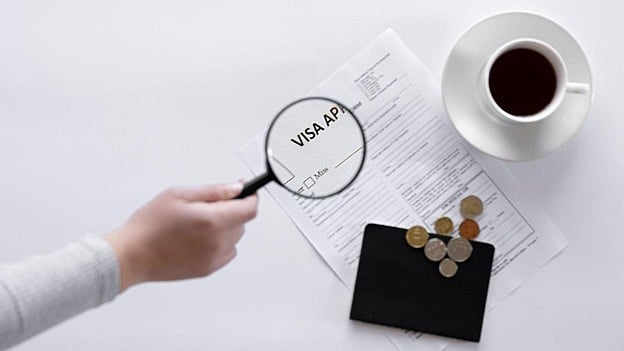
A visa rejection may leave you with application fees and other travel expenses that are already paid. Travel insurance may help with certain covered losses related to visa rejection, but only if this benefit is included in the policy and its conditions are met.
By this stage, you may also have made bookings for flights or accommodation. Some of these expenses may be non-refundable, which can increase the financial impact of a rejected visa.
The exact cover varies between policies, so it is important to check what expenses are included, the applicable limits and the reasons for visa rejection that qualify for a claim.
What Happens to the Visa Application Fee after Rejection?
Visa fees are generally charged for processing an application, not for approving it. Official guidance for Schengen visas and US visas states that the application fee is not normally refunded when a visa is refused.
Rules can differ by country and visa type, so applicants should check the relevant embassy, consulate or official visa website. Any possible recovery through insurance is a separate matter and depends on the cover purchased.
Can Travel Insurance Cover a Rejected Visa?
It can in some cases, but visa rejection is not a standard benefit under every travel insurance policy. The best travel insurance may specifically provide cover for visa refusal or refund of a visa fee. Others may cover non-refundable travel bookings when the trip has to be cancelled because the visa was denied.
For travellers planning an international trip, HDFC ERGO Travel Explorer is one of the travel insurance options available from HDFC ERGO. Depending on the selected plan, it can provide cover for medical emergencies, hospitalisation, trip cancellation, baggage loss, passport loss and personal accident. Travellers should check the chosen plan and policy wording to understand whether expenses related to visa rejection are covered.
The wording matters. A policy may set conditions around when the insurance was purchased, the type of visa applied for and the reason for rejection. Any applicable cover is also subject to the limits, exclusions and other conditions stated in the policy.
Which Expenses May Be Relevant after a Visa Rejection?
The financial impact can extend beyond the application fee. Depending on the policy, the following expenses may be relevant when a visa rejection benefit is included:
● Visa application or processing charges, where specifically covered
● Non-refundable flight booking amounts
● Cancellation charges for prepaid accommodation
● Other prepaid travel costs listed under the applicable benefit
Not every cost will necessarily be covered. Check the policy wording to see which expenses are included and what conditions apply to each benefit.
What Should You Check before Buying a Policy?
If you want to identify the best travel insurance for your needs, compare the policy wording with your actual travel plans rather than looking only at headline benefits.
Check whether the policy clearly mentions:
● Visa rejection or visa refusal cover
● Refund of visa application fees
● Flight or accommodation cancellation following visa rejection
● The required purchase timing
● Documents needed for a claim
● Applicable limits, deductibles and conditions
This is particularly useful when bookings are made before the visa decision arrives.
What Should Senior Travellers Consider?
For older travellers, visa-related cover is only one part of the decision. Travel insurance for senior citizens should also be checked for medical benefits, emergency treatment, evacuation support and journey-related cover that may be relevant overseas. It is also useful to review the policy duration, destination coverage, claim process and support services available during the trip.
These details can help senior travellers understand how the policy may assist them in different travel situations. Do not assume that a policy for senior travellers automatically includes visa rejection benefits. Check that section separately, along with age-related eligibility and other policy conditions.
What Should You Do if Your Visa Is Rejected?
Start by reading the refusal notice carefully. It should explain the decision or indicate the next step available under the relevant visa process.
For insurance purposes:
Check whether your policy includes visa rejection or visa fee cover.
Keep the official rejection letter or notice.
Contact the insurer or assistance provider promptly.
Retain receipts for visa fees and prepaid bookings.
Obtain cancellation confirmations where required.
Submit the documents requested under the policy.
Claim acceptance will depend on the policy terms, the reason for rejection and the documents provided.
Final Thoughts
Travel insurance may help after a visa rejection, but only when the policy includes a relevant benefit and its conditions are met. A rejected visa does not automatically mean the application fee or other travel costs will be reimbursed.
Before making major bookings, check the visa rules and read the insurance policy carefully. Knowing what is covered at the planning stage can make it easier to manage the financial impact if the visa decision does not go as expected.
Join our official telegram channel (@nationalherald) and stay updated with the latest headlines