Advertorial
Why PPF Installation Quality Matters as Much as the Film Itself
The effectiveness of PPF is not determined by the film alone
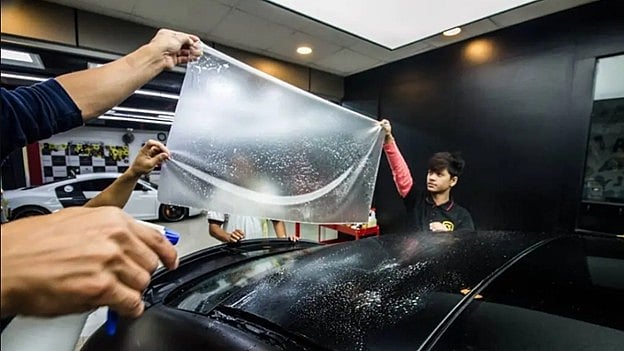
Paint protection film (PPF) has become an increasingly popular choice among car owners looking to protect their vehicle’s original paint from stone chips, minor scratches, road debris and everyday wear. However, while much of the attention goes towards choosing the right film, another factor plays an equally important role in the final result: the quality of installation.
Even a premium film may not deliver the intended performance if it is applied incorrectly. From surface preparation and precise alignment to edge finishing and curing, every stage of installation influences how well the film looks, adheres and performs over time.
The Importance of Preparing the Surface
Why PPF Installation Quality Matters as Much as the Film Itself. Dust, grease, wax residues and other contaminants can interfere with adhesion or become trapped beneath the film, creating visible imperfections.
In some cases, the paint may also require additional preparation to remove bonded contaminants or address existing surface defects. This must be approached carefully, as aggressive polishing or inappropriate techniques can damage the paint.
A clean working environment is equally important. Airborne dust and particles can settle on the paint or adhesive during application, compromising the finish. Professional installers therefore pay close attention to both the condition of the vehicle and the cleanliness of the installation area.
Precision Matters During Application
Modern vehicles have complex body contours, sharp creases, curved panels and intricate design elements. Applying PPF across these surfaces requires skill, patience and an understanding of how the film behaves when stretched and positioned.
Incorrect alignment can result in visible edges, uneven coverage or areas where the film does not sit properly against the panel. Excessive stretching can also place unnecessary stress on the material, potentially affecting its appearance and adhesion.
Pre-cut patterns can help improve consistency by providing film pieces designed for specific vehicle panels. However, patterns alone do not guarantee a good result. The installer must still position the film accurately, manage tension and ensure that it conforms properly to the surface.
Why Edge Finishing and Adhesion Matter
The edges of a film are among the most important areas to inspect after installation. Poorly finished edges may lift over time, allowing dirt and moisture to collect beneath the film. This can affect the appearance of the vehicle and may eventually require corrective work.
Correct adhesion is equally important across the entire panel. Trapped air, moisture or contamination can create bubbles, hazy patches and other visible defects. Some moisture-related effects may settle as the film dries, depending on the product and installation method, but persistent imperfections require professional assessment.
Installers must also follow the manufacturer’s recommendations for application, edge treatment and post-installation care. The aim is not simply to make the film look smooth on the day of delivery, but to help it remain securely attached during everyday use.
Can Poor Installation Affect PPF Performance?
PPF is engineered to help protect a vehicle’s paint, but its performance depends on both the product and how it is installed. Incorrect application can compromise coverage, create vulnerable edges or leave sections that do not conform properly to the panel.
For example, if a high-impact area is not covered accurately, the paint may remain exposed to stone chips and road debris. Similarly, poorly managed film tension may contribute to lifting or distortion in certain areas.
Installation quality can also affect the visual result. A film chosen for its optical clarity or distinctive finish will not achieve its intended appearance if the application leaves noticeable marks, contamination or uneven edges.
This is why choosing a reliable installer is as important as selecting a suitable product.
What Should Car Owners Look for in an Installer?
When considering a PPF coating, car owners should evaluate the installation process alongside the film’s specifications. Asking about the installer’s experience, preparation methods, cutting techniques and quality-control procedures can help establish whether the studio follows a systematic approach.
It is also worth checking the warranty terms, including what is covered if the film develops adhesion issues or other installation-related defects. Product warranties and workmanship warranties may differ, so owners should understand both before proceeding.
A professional studio should explain the film’s capabilities and limitations, recommend coverage based on the vehicle’s use and provide clear aftercare instructions. Established brands such as Aegis PPF, available through CarzSpa’s detailing network, offer film options for different protection requirements. However, the specific product and the expertise of the installer remain important considerations.
Protection Depends on Both Product and Process
The effectiveness of PPF is not determined by the film alone. Material quality, surface preparation, application technique, edge finishing and aftercare all contribute to the final outcome.
For car owners, this means looking beyond product claims or price when choosing paint protection. A well-engineered film installed with care can help preserve the vehicle’s original finish, while a poorly executed installation may undermine the benefits the film is intended to provide.
Ultimately, quality PPF installation is a combination of the right material, the right process and the right skills. When all three come together, the result is more likely to deliver the protection, appearance and long-term performance that car owners expect.
Join our official telegram channel (@nationalherald) and stay updated with the latest headlines