Business
Airlines urge government to ease proposed cabin crew fatigue rules
Industry body warns stricter rest norms could disrupt schedules and curb growth of Indian carriers
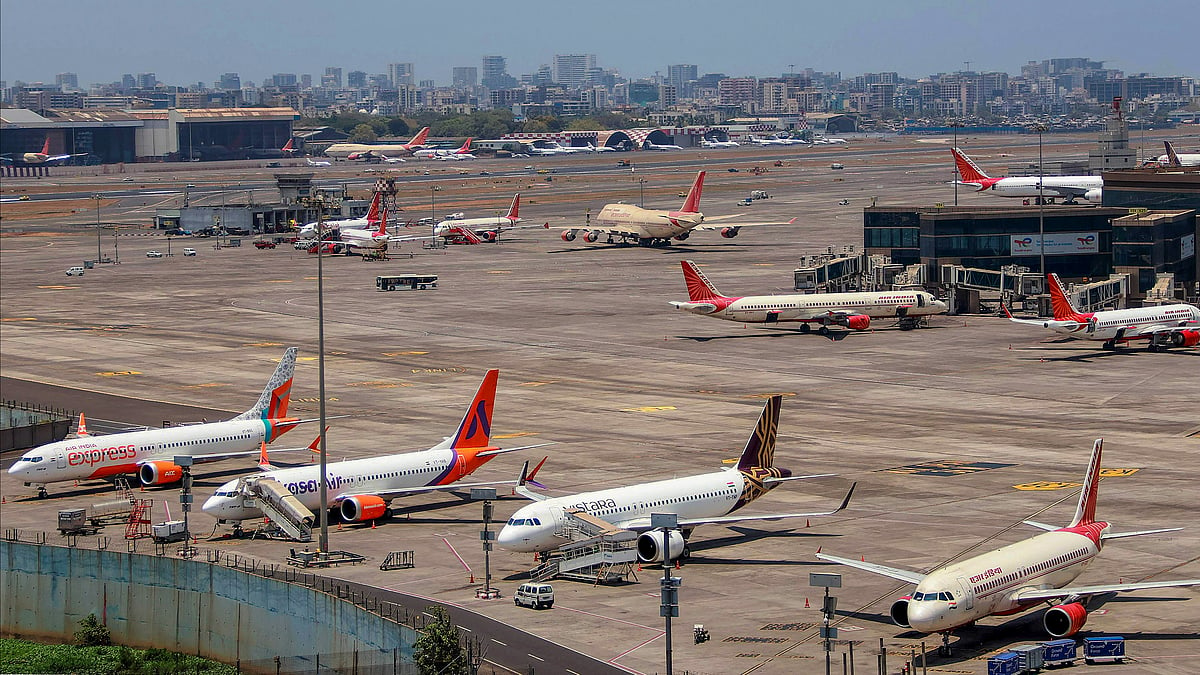
A leading industry body representing India’s largest airlines has urged the government to soften proposed fatigue management rules for cabin crew, arguing that the measures could disrupt flight operations and hamper the sector’s growth.
The Federation of Indian Airlines (FIA), whose members include IndiGo, Air India and SpiceJet, has written to the Directorate General of Civil Aviation (DGCA) seeking changes to draft regulations unveiled in October.
The proposed rules would increase the minimum weekly rest period for cabin crew from 36 hours to 48 hours and impose tighter limits on night duties. They would also require airlines to provide individual hotel rooms for flight attendants during layovers to improve rest quality.
While single-room accommodation is common practice among many international carriers, it is not mandated under global aviation standards and would raise operating costs.
In its letter, the FIA warned that compulsory single-room occupancy could create logistical challenges at airports with limited hotel availability, potentially forcing airlines to house crew in distant or less suitable locations. The body argued that the combined effect of the new provisions would complicate crew scheduling and reduce roster predictability.
The draft rules state that their objective is to enhance operational safety. Concerns about aviation safety and crew wellbeing have been heightened following last June’s Air India crash, which claimed 260 lives. The cause of the accident remains under investigation.
However, the FIA contended that the proposed norms exceed international benchmarks. For instance, the draft classifies ultra-long-haul flights as those exceeding 14 hours, compared with the 16-hour threshold commonly used elsewhere.
The federation cautioned that, if implemented in their current form, the measures could “severely” constrain long-term expansion and weaken the competitiveness of Indian airlines in the global market. It has called for certain provisions, particularly stricter night operation limits, to be aligned more closely with established fatigue science and introduced in phases rather than all at once.
The aviation regulator and the FIA have not publicly commented on the letter, and there is no confirmed timeline for the implementation of the rules.
The debate comes at a challenging time for the industry. IndiGo, India’s largest carrier, cancelled around 4,500 flights in December after operational disruptions linked to new pilot fatigue norms. Meanwhile, Air India is grappling with financial pressures stemming from a Pakistani airspace ban and the aftermath of last year’s fatal crash.
Earlier this month, the aviation minister chaired a meeting with officials to review safety at airports and strengthen regulatory oversight, signalling the government’s continued focus on aviation safety even as industry concerns mount over the proposed changes.
With agency input
Join our official telegram channel (@nationalherald) and stay updated with the latest headlines