Business
Commercial LPG supply raised to 70% after shortages hit industries
Allocation increased as businesses reel from disruption, with authorities moving belatedly to ease crisis
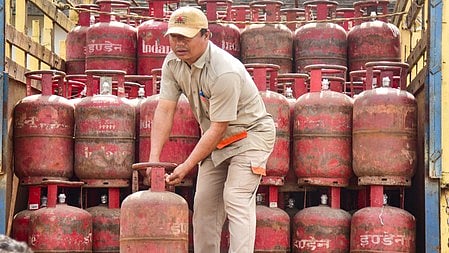
The Centre on Friday increased the allocation of commercial LPG cylinders to 70 per cent of demand, a move seen as a delayed response to mounting pressure from industries hit by supply shortages linked to the Iran conflict.
The decision raises supply from the earlier 50 per cent level, with an additional 20 per cent allocation aimed at easing disruptions faced by businesses dependent on liquefied petroleum gas. However, the step comes after days of reported shortages that had already begun affecting industrial activity and small enterprises across sectors.
Officials said priority would be given to labour-intensive industries such as steel, automobiles, textiles, chemicals, dyes and plastics that are part of sectors that not only rely heavily on LPG but also support broader supply chains. Process industries requiring LPG for specialised heating, which cannot be easily substituted with natural gas, are expected to receive preferential allocation.
The government has made access to the additional supply conditional for many users, requiring commercial and industrial consumers to register with oil marketing companies and apply for piped natural gas (PNG) connections with city gas distributors. While certain critical industries have been exempted from this requirement, the condition has raised concerns about procedural delays at a time when immediate relief is needed.
The revised allocation also includes a 10 per cent “reform-based” component that states have been urged to utilise, effectively bringing total availability to 70 per cent of pre-crisis levels. Distribution will be managed by state governments and district authorities, leaving room for discretion in prioritising sectors and consumers.
The move follows an earlier measure announced on 21 March, when the authorities had extended an additional 20 per cent allocation to sectors such as restaurants, hotels, food processing units and community kitchens, as well as providing smaller cylinders for migrant workers. Despite these steps, supply constraints have persisted, forcing a further intervention.
Industry stakeholders have pointed out that the response appears reactive, coming only after the scale of disruption became evident. The shortage has been largely attributed to a decline in LPG imports due to tensions in West Asia and disruptions along key shipping routes, including the Strait of Hormuz.
Recent data from the petroleum ministry indicates that over 37,000 smaller cylinders have been distributed to migrant workers, highlighting the extent of demand pressures at the lower end of the market as well.
In a parallel development, Iran has indicated it may allow more Indian vessels carrying LPG to pass through the Strait of Hormuz following diplomatic engagement, offering some hope of easing supply bottlenecks.
While the increased allocation may provide partial relief, questions remain over whether the response came swiftly enough to prevent the disruption and whether the current measures will be sufficient if global supply constraints persist.
With IANS inputs
Join our official telegram channel (@nationalherald) and stay updated with the latest headlines