Business
GST council scraps arrest power of tax officials, approves faster refunds: FM
Council recommends lower penalties, faster refunds and faceless assessments; no GST rates changed at 57th meeting
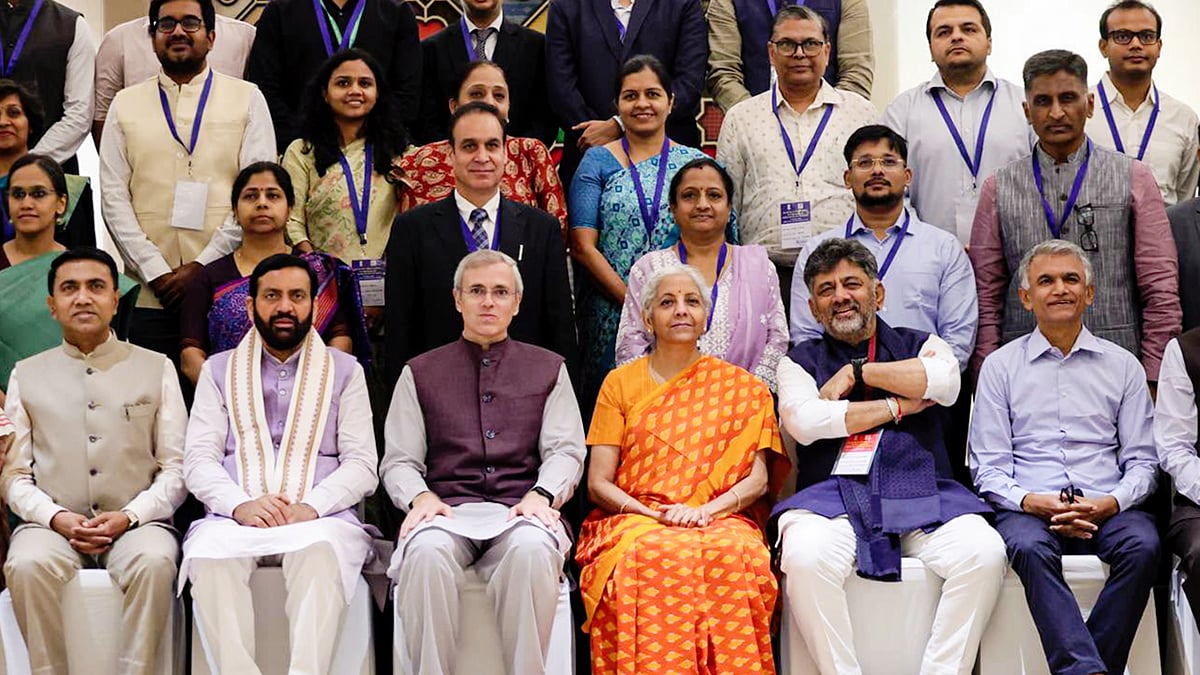
GST Council recommends removing arrest powers and raising prosecution threshold from Rs 1 crore to Rs 5 crore.
General penalty proposed to be cut from Rs 25,000 to Rs 10,000, with faster refunds and faceless assessments also on agenda.
No GST rates changed at council’s 57th meeting.
The GST council on Thursday, 8 October recommended removing the arrest powers of tax officials and raising the threshold for prosecution fivefold, from Rs 1 crore to Rs 5 crore, while proposing faster and largely automated refunds for taxpayers.
Announcing the decisions taken at the council’s 57th meeting in New Delhi, Union finance minister Nirmala Sitharaman said the general penalty, applicable where no specific penalty is prescribed, would be reduced from Rs 25,000 to Rs 10,000.
The proposed changes are scheduled to be implemented from 1 April 2027.
The council also recommended that taxpayers who file returns late, make mistakes or delay payments should face recovery proceedings, interest and proportionate penalties, without any additional punitive action.
Another key recommendation was to extend refunds under the inverted duty structure to input services. The change will apply to input tax credit availed on or after 1 November 2026, Sitharaman said.
The finance minister also said the government intended to introduce faceless tax assessments for Central Goods and Services Tax (CGST) taxpayers registered in multiple states.
The Council recommended raising the prosecution threshold from Rs 1 crore to Rs 5 crore and removing the minimum punishment. The punishment — whether a fine, imprisonment or both — would be left to judicial discretion in each case.
It also recommended that notices should not be issued in cases involving amounts below Rs 10,000.
Sitharaman said no GST rates had been changed at Thursday’s meeting.
Replying to a question on outstanding issues, she said the council had largely addressed anomalies arising from input tax credit and inverted duty structures. "So, I don't think there are many outstanding issues which are fundamental to ease of doing business or fundamental to anomalies and rates remain. So, yes, you can say GST next generation GST, 99 per cent issues have been addressed, rate or process," she said.
Sitharaman said the GST reform process had been driven by the principle of trust. "Business has to be trusted. Taxpayers have to be trusted. And businesses among themselves, with trust, if they do it, we shouldn't be too intrusive," she added.
The GST Council comprises the Union finance minister and representatives of the states and Union Territories.
With PTI inputs
Join our official telegram channel (@nationalherald) and stay updated with the latest headlines