Business
Oil surges over 2% as Israel intensifies operations in Lebanon
Conflict between Israel and Hezbollah has emerged as the most significant regional spillover from the wider confrontation involving Iran
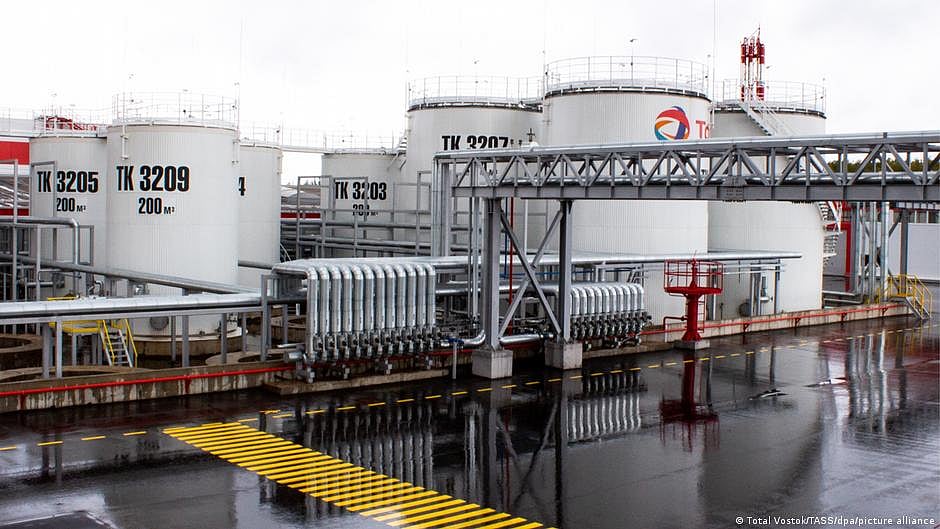
Oil prices rose sharply in early trading on Monday after renewed military activity between Israel and Hezbollah heightened fears of supply disruptions in the Middle East, while concerns persisted over the security of shipping routes through the Strait of Hormuz.
Reuters reported that the US benchmark West Texas Intermediate crude climbed more than 2.7 per cent to $89.73 a barrel, while Brent crude, the international benchmark, rose 2.4 per cent to $93.28 a barrel in Asian trading.
The gains followed reports that Israel had ordered troops to advance further into parts of Lebanon in its ongoing confrontation with the Iran-backed Hezbollah group. The development came despite a ceasefire announced more than six weeks ago and has dampened hopes of a broader easing of tensions across the region.
Market sentiment had briefly improved at the end of last week on expectations that diplomatic efforts involving the United States, Israel and Iran could lead to an extension of an existing ceasefire arrangement. However, Reuters reported that the latest escalation has cast doubt on the prospects of any near-term breakthrough.
The conflict between Israel and Hezbollah has emerged as the most significant regional spillover from the wider confrontation involving Iran. Although the two sides agreed to a ceasefire in April, intermittent exchanges of fire have continued, keeping geopolitical risks elevated.
US President Donald Trump said on Friday that a decision on extending the ceasefire arrangement with Iran could be made soon, allowing negotiators additional time to pursue a longer-term settlement and address disputes surrounding Tehran’s nuclear programme. Any such arrangement is expected to require the support of Israel, while Iran has repeatedly insisted that Hezbollah's interests must also be considered.
Investors are also closely monitoring developments in the Strait of Hormuz, one of the world’s most important energy transit routes. The narrow waterway carries roughly one-fifth of global oil and natural gas shipments, making any disruption a major concern for energy markets.
Analysts warned that lingering security risks in the region could delay the normalisation of shipping traffic through the strait, limiting the speed at which additional supplies return to the market. Even if diplomatic progress is achieved, traders remain cautious about the likelihood of a rapid increase in oil exports.
Reports suggesting fresh mine-laying activity in the Strait of Hormuz have further heightened market anxiety. Such developments have reinforced concerns that supply chains could remain vulnerable despite ongoing diplomatic efforts.
The geopolitical premium in oil prices outweighed weak economic indicators from China released over the weekend. Data showed factory activity remained subdued, reinforcing concerns about slowing growth in the world’s second-largest economy amid weakening exports and persistent cost pressures.
Despite those demand-side concerns, traders continued to focus on the risk of supply disruptions in the Middle East, helping drive crude prices higher at the start of the week.
Join our official telegram channel (@nationalherald) and stay updated with the latest headlines