Business
Silver rally accelerates as budget duty hike fears push prices to record highs
Soaring imports and speculation over higher levies fuel sharp premiums and industry concern
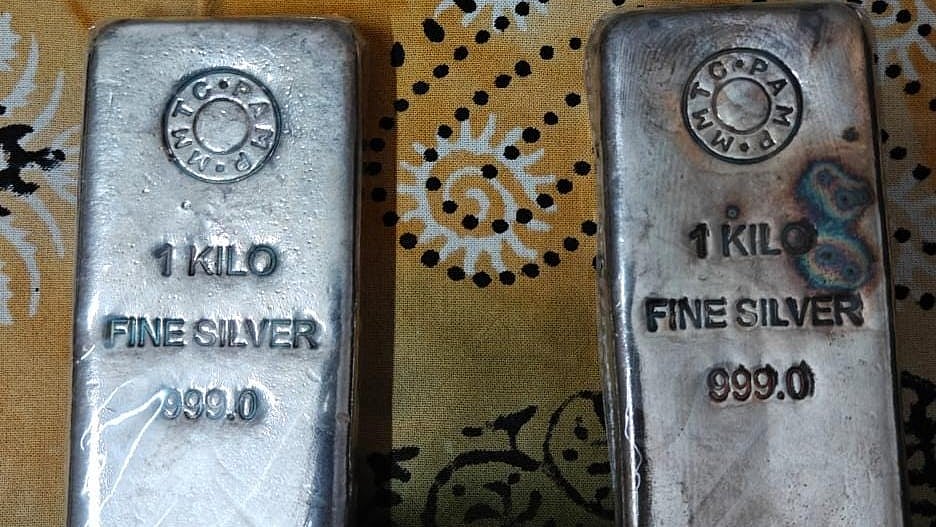
Silver prices in India have surged to fresh record levels, driven by strong demand, a spike in imports and growing speculation that the government may raise import duties in the upcoming Union Budget.
The precious metal has staged a sharp rally in recent months, with prices multiplying several times over. As domestic demand has risen, India’s silver import bill has climbed steeply, prompting expectations in the bullion market that Finance Minister Nirmala Sitharaman could increase duties to rein in inflows.
Those expectations have, in turn, added fuel to the rally. Silver is now trading at an unusually high premium in domestic markets, particularly on the Multi Commodity Exchange (MCX), where futures prices have diverged sharply from international spot-linked levels.
In December, silver imports jumped nearly 80 per cent month on month to $760m. For the April to December period, imports rose almost 129 per cent year on year to $7.77bn, compared with $3.39bn in the same period a year earlier. This growth has continued beyond the festive season, which typically sees the highest shipments.
In last year’s Budget, the government cut import duty on silver to six per cent from 12 per cent in an effort to curb smuggling and make the metal more accessible to domestic users. Combined with a three per cent goods and services tax, the levy determines the landed cost at which silver is traded in India.
With demand remaining strong, however, market participants believe the government may now reconsider that reduction. Bhavik Patel of Tradebulls Securities told Moneycontrol that a duty hike could not be ruled out, adding that bullion dealers were already charging higher premiums in anticipation of such a move.
Industry bodies fear a sharp increase. Nitin Kedia, national general secretary of the All India Jewellers and Goldsmith Foundation (AIJGF), said speculation in the market had ranged from a modest rise of three to four percentage points to a possible increase to 15 per cent.
On 21 January, silver futures on the MCX were trading at a premium of more than Rs 40,000 per kilogram compared with the landed cost. Alarmed by the sharp divergence, the AIJGF wrote to the finance ministry seeking an investigation into what it described as possible price manipulation.
In its letter, the federation warned that rumours of a duty hike had led to an “extraordinary” dislocation between futures and spot-linked prices, raising concerns that sensitive policy information may have leaked ahead of any official announcement, a development it said would undermine market integrity.
Kedia was quoted as saying that the scale of the premium suggested traders were convinced a duty increase was imminent. He cautioned that raising the levy to 15 per cent could lead to duty arbitrage and further distortions in the market.
The federation has also approached the Securities and Exchange Board of India (SEBI), urging the regulator to examine the abnormal price movements. SEBI has yet to respond.
Jewellers say the sharp premium has placed severe strain on working capital. Physical inventory is typically hedged through exchange positions, but when futures trade far above spot-linked prices, the cost of maintaining those hedges rises sharply.
“At a time when silver prices have already tripled over the past seven to eight months, managing a Rs 40,000 premium becomes extremely difficult,” Kedia said.
By contrast, industry players expect little change to gold import duties in the Budget, though some restrictions cannot be ruled out. Kedia said the government was likely to focus instead on boosting domestic refining, noting that any sharp duty increase would make gold less affordable for consumers.
On Friday, silver futures on the MCX touched another all-time high of Rs 3,39,927 per kilogram. Whether the rally continues unchecked or is tempered by Budget measures will be closely watched in the weeks ahead.
Join our official telegram channel (@nationalherald) and stay updated with the latest headlines