Business
South Africa weighs steep tariffs on vehicle imports from India and China
Review aims to shield domestic carmakers as low-cost imports surge
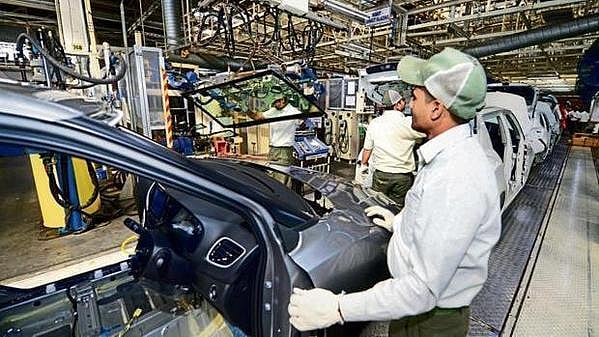
South Africa is considering imposing import tariffs of as much as 50 per cent on vehicles brought in from India and China, as the government moves to counter the growing impact of foreign-made cars on its domestic automotive industry.
The proposal is being examined by the Department of Trade, Industry and Competition, which is reviewing the current tariff framework to curb rising imports that policymakers say are undermining the competitiveness of local manufacturers.
According to a Bloomberg report, officials are exploring changes to import duties to align them more closely with World Trade Organization rules for most-favoured nations.
Ayabonga Cawe, commissioner of the International Trade Administration Commission, told lawmakers in Cape Town that South Africa’s bound tariff rate for fully built passenger vehicles stands at 50 per cent. He said there was also limited scope to adjust duties on automotive components, with potential rates ranging between 10 per cent and 12 per cent depending on the country of origin.
India and China have become South Africa’s two largest sources of imported vehicles, together accounting for three-quarters of total vehicle imports in 2024. Data show that India supplied 53 per cent of imports last year, while China accounted for 22 per cent, prompting growing concern among industry stakeholders.
Vehicle imports from China have increased sharply, rising by 368 per cent over the past four years, while imports from India have climbed by 135 per cent over the same period. The strongest pressure has been felt in the entry-level segment of the market, where cheaper imports are squeezing margins for local producers.
As part of the review, the trade department is expected to hold discussions with the National Treasury on additional fiscal measures. Options under consideration include new excise duties on luxury vehicles and revisions to the existing rebate credit certificate system used within the automotive sector.
The move comes despite China, India and South Africa all being members of the BRICS grouping, which has emphasised deeper trade and economic cooperation. Any decision to raise tariffs could therefore carry broader trade and diplomatic implications, even as Pretoria seeks to protect jobs and investment in its automotive industry.
Join our official telegram channel (@nationalherald) and stay updated with the latest headlines