Economy
No fuel rationing planned, India has adequate stocks: Oil secy after Modi's austerity appeal
Government says country has maintained sufficient fuel and LPG inventories even as West Asia tensions push up global energy prices
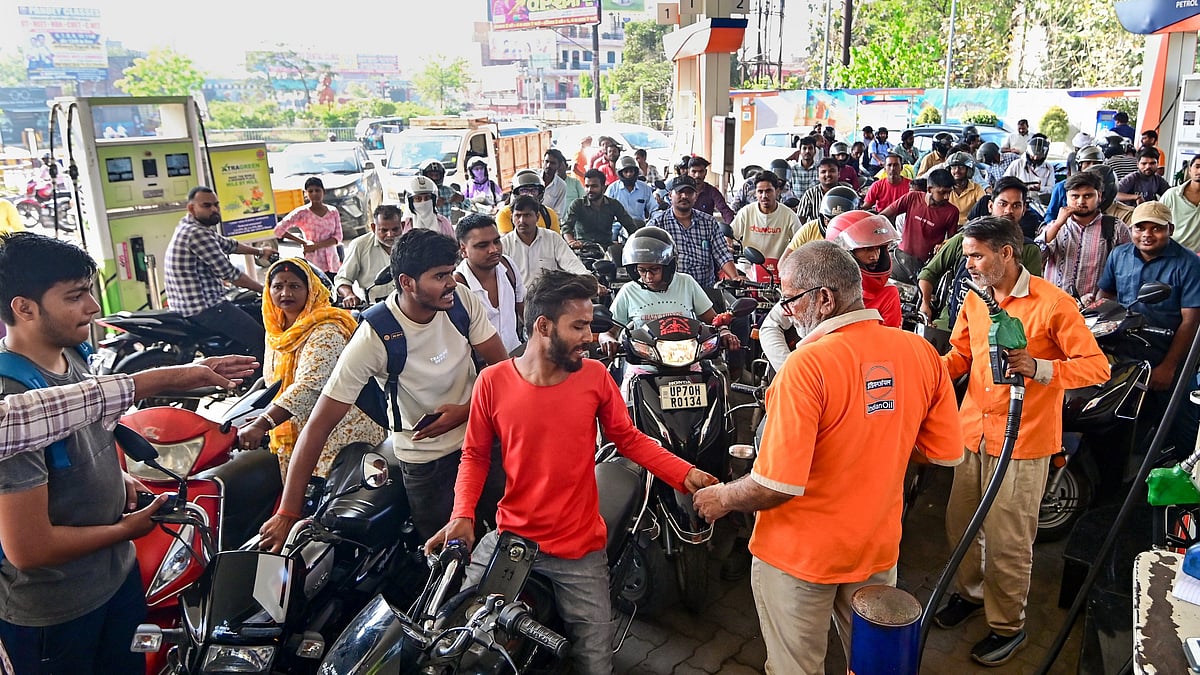
Even as Prime Minister Narendra Modi urged citizens to conserve fuel and reduce imports amid rising global energy prices, the Centre on Monday asserted that India has adequate fuel stocks and no plans to introduce rationing despite continuing disruptions in global oil markets.
“There is no need to panic. There are sufficient supplies. There is no rationing in place. It’s not going to happen,” Oil Secretary Neeraj Mittal said at the Confederation of Indian Industry Annual Business Summit in New Delhi.
The government’s reassurance came barely a day after Modi publicly appealed for austerity measures, asking citizens to conserve fuel, reduce import dependence and exercise restraint in gold purchases as soaring crude prices strain India’s foreign exchange reserves.
The Prime Minister’s remarks had triggered speculation about a possible fuel price hike or supply restrictions, particularly as retail petrol and diesel prices have remained frozen for nearly two years despite sharp increases in international crude prices.
Govt projects calm amid market turmoil
Mittal said India had maintained around 60 days of fuel stocks and roughly 45 days of LPG inventories during the past 67 days of geopolitical disruption affecting global energy shipments.
He said India had secured additional cargoes, diversified suppliers and increased procurement from existing exporting nations to stabilise domestic supplies.
“We have procured from other sources. We have procured from other countries. We have increased procurement from existing countries and that has kept us going in terms of supply management in the short run,” he said.
Mittal added that India had managed to safely move 14 ships through the conflict-hit Strait of Hormuz during the ongoing crisis.
A senior government source said the “default mode” of the administration remained maintaining stability in fuel prices and supplies.
Oil firms absorb mounting losses
Despite the official assurance, state-run oil marketing companies are facing growing financial pressure as global crude prices have surged by over 50 per cent since the escalation of the West Asia conflict around 10 weeks ago.
Officials indicated that oil firms are currently absorbing daily losses estimated between Rs 1,000 crore and Rs 1,200 crore because domestic petrol and diesel prices have not been revised upward in line with international rates.
Mittal said the government had absorbed part of the global price shock through excise duty cuts on petrol and diesel, resulting in a revenue impact of around Rs 1.6 lakh crore.
Push for energy security
India, the world’s third-largest oil importer and consumer, is also accelerating efforts to strengthen energy security through domestic exploration, strategic reserves and alternative fuels including green hydrogen, ethanol blending and sustainable aviation fuel.
Mittal said the government was examining “creative ways” to expand strategic crude reserves without locking up excessive capital.
“For a country like India which consumes 5 million barrels a day, to have a 90-day reserve would be putting a lot of money in a box without using it at all,” he said.
Join our official telegram channel (@nationalherald) and stay updated with the latest headlines