Entertainment
A.R. Rahman says he never meant to hurt sentiments amid Bollywood’s communal bias debate
Describing the country as his “home, inspiration and teacher”, Rahman said his life’s work has always been rooted in connecting cultures through music
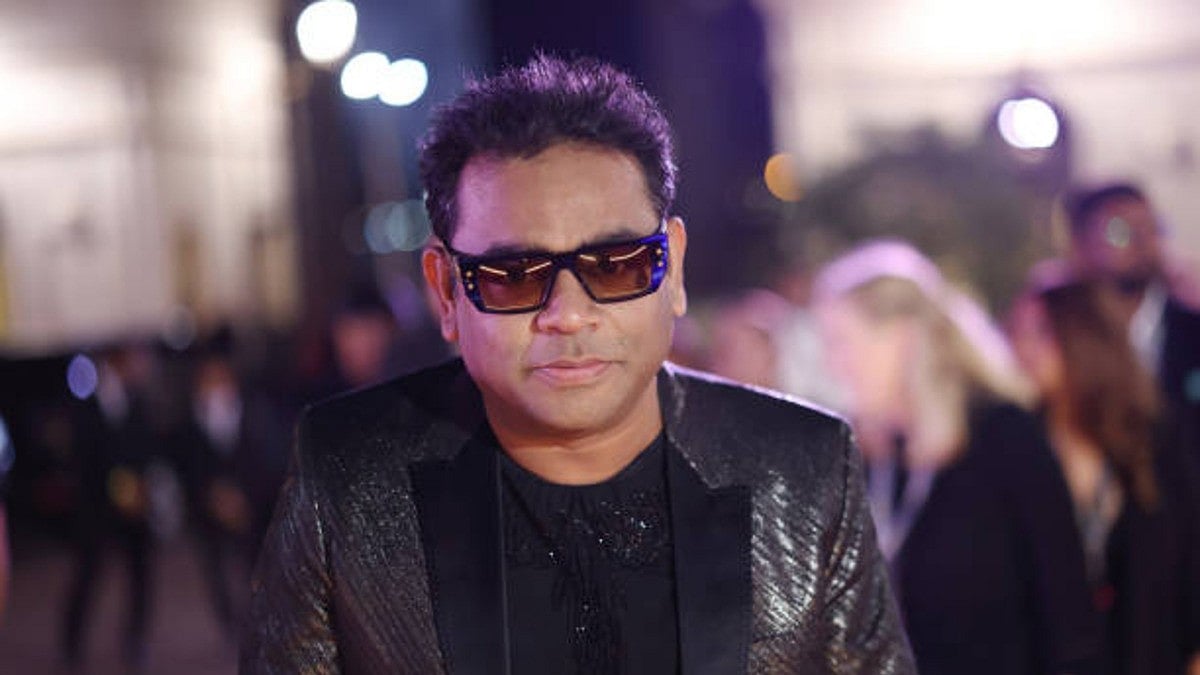
A.R. Rahman has said he never intended to hurt anyone’s sentiments, as a wider debate unfolds over his remarks suggesting that communal bias may have played a role in the decline of his work opportunities in Bollywood.
The Oscar-winning composer, who has faced criticism since an interview with BBC Asian Network, addressed the controversy by sharing a video message on Instagram, underscoring his deep emotional and creative bond with India.
Describing the country as his “home, inspiration and teacher”, Rahman said his life’s work has always been rooted in connecting cultures through music.
“I understand that intentions can sometimes be misunderstood, but my purpose has always been to uplift, honour and serve through music,” he said, adding that he had “never wished to cause pain”.
Rahman’s original comments were measured, framed through personal experience rather than accusation. He spoke of changing power dynamics in the Hindi film industry and said it sometimes reached him indirectly, through what he termed “Chinese whispers”, that projects he was initially considered for were later reassigned. While he acknowledged that any communal aspect was never expressed to him directly, he said it could not be entirely ruled out.
In his Instagram message, Rahman reaffirmed his pride in being Indian and highlighted the creative freedom and multicultural ethos that have shaped his journey.
He reflected on a range of projects, from performing at the Wave Summit before the prime minister, to mentoring young musicians, collaborating with artistes from India’s North East, building multicultural ensembles and working on Ramayana with Hans Zimmer, describing them as affirmations of his purpose.
Veteran lyricist Javed Akhtar sought to dismiss the idea of communal bias, saying Rahman continues to be held in the highest regard in Mumbai and suggesting that his global commitments and towering stature may deter producers from approaching him.
However, Rahman’s supporters argue that his comments were less an indictment of individuals and more a quiet reflection on systemic shifts that many artistes from minority backgrounds privately acknowledge.
That view was echoed by People’s Democratic Party president Mehbooba Mufti, who said brushing aside such concerns ignored the lived realities of Indian Muslims. She noted that experiences of exclusion and bias have been openly discussed by several public figures over the years and said denying them does not make them disappear.
Amid the debate, Rahman maintained his focus on music, performing at a tribute concert in Mumbai to honour Padma Vibhushan awardee Ustad Ghulam Mustafa Khan. The performance was widely seen as a reminder of his enduring stature and his commitment to art above controversy.
By choosing a conciliatory tone, Rahman has sought not confrontation but understanding, reaffirming his faith in India’s pluralism while gently opening space for a necessary conversation about inclusion, creativity and power in the film industry.
With agency inputs
Join our official telegram channel (@nationalherald) and stay updated with the latest headlines